
In today’s fast-paced world, many people find themselves craving a deeper connection to their faith. If you’ve ever felt lost or unsure of how to explore the Bible, you’re not alone. This blog post was created to help you discover effective Bible study methods for beginners that can enrich your spiritual journey and deepen your understanding of God’s Word.
Whether you’re just starting out or looking to freshen up your current study routine, this guide is for you. If you’re someone who values personal growth and seeks to strengthen your faith, keep reading. I’ve compiled ten distinct Bible study methods that are practical, engaging, and designed to meet you where you are on your spiritual path. These approaches will not only help you understand scripture better but will also give you tools to apply its teachings in your daily life.
With these methods, you’ll learn how to immerse yourself in the Bible in a way that feels meaningful and rewarding. You’ll be equipped to ask the right questions, reflect on your faith, and, most importantly, build a stronger relationship with God. Get ready to embark on a fulfilling journey of Bible study that can transform your understanding and practice of faith.
Key Takeaways
– Diverse Approaches: You’ll discover various Bible study methods, including the SOAP method, Inductive Study, and more, each catering to different learning styles.
– Personal Connection: These methods encourage you to engage deeply with scripture, fostering a personal connection and understanding of biblical texts.
– Community Learning: Group study methods highlight the importance of community in faith, offering support and diverse perspectives on interpretations.
– Practical Application: Learn how to apply biblical teachings in your everyday life through methods like the Life Application Study, helping you live out your faith actively.
– Tools for Growth: This guide equips you with practical tools and strategies to enhance your Bible study, making it accessible and enriching for your spiritual journey.
1. The SOAP Method: A Personal Approach

Are you looking for a way to make your Bible study more personal and engaging? The SOAP method—Scripture, Observation, Application, Prayer—invites you to dive deep into the Word. With this approach, you reflect on each verse, making your study time more meaningful and impactful. You’ll enjoy using a dedicated journal to capture your thoughts and insights as you explore the Scriptures in a new light.
Start by picking a passage that resonates with you. For ‘S’ (Scripture), jot down a key verse. Move on to ‘O’ (Observation) to note your thoughts and feelings about the text. In ‘A’ (Application), consider how this verse applies to your daily life. Finally, in ‘P’ (Prayer), speak with God about your discoveries. This method transforms your Bible reading into a powerful dialogue with God.
Key steps to enhance your SOAP experience:
– Use a dedicated journal for your entries.
– Set a consistent schedule for your study time.
– Share your insights with a friend for deeper discussions.
By implementing the SOAP method, you’ll cultivate a richer understanding of scripture. It’s a rewarding practice that deepens your faith journey.
Soap up your Bible study—part of Bible Study Methods for Beginners—it’s a personal, practical path you’ll actually use. With the SOAP method—Scripture, Observation, Application, Prayer—you turn verses into daily steps you can apply and reflect on in your journal. Start small, and let insights deepen your faith journey.
2. The Inductive Study Method: Observing, Interpreting, and Applying

Curious about a deeper way to engage with the Bible? The Inductive Study Method offers a structured approach to scripture that enhances your understanding and interpretation. By observing, interpreting, and applying, you uncover layers of meaning that enrich your spiritual journey. This method is perfect for those who love to dig deeper and explore the text thoroughly.
Begin by carefully examining the text—what does it say? Who is it addressed to? Take detailed notes on your observations. Next, move to interpretation, comparing various translations and using commentaries for clarity. Finally, think about how these lessons can influence your daily life. This active engagement makes scripture feel alive and relevant.
Steps to maximize your Inductive Study:
– Choose a book of the Bible for a systematic study.
– Break down each section into manageable parts.
– Connect your findings to broader themes in scripture.
This method promotes a thorough understanding of biblical texts. You’ll find yourself more connected and informed about the Word.
3. The Book Method: Focused Reading

Looking for a straightforward way to engage with the Bible? The Book Method allows you to focus on one book at a time, providing a holistic view of its themes and messages. This immersive reading technique helps you gain context and insight, making scripture feel more accessible and relatable.
Select a book that speaks to you or addresses your questions. Read it in its entirety, perhaps multiple times, to grasp its flow and themes. You can keep a journal to document your thoughts and highlight verses that resonate with you. This reflective practice creates a personal connection to God’s Word.
Pro tips for effective reading:
– Explore different translations for a richer understanding.
– Meditate on key passages to internalize their meaning.
– Join discussion groups to share insights and learn from others.
By using the Book Method, you’ll cultivate a deeper familiarity with scripture. It’s an ideal approach for those wanting to explore their faith more thoroughly.
Starting with a single book makes Bible study feel doable and true to life. With the Book Method, bible study methods for beginners become clear: read the book in full, note themes, and watch your questions turn into insight.
4. The Group Study Method: Community Learning
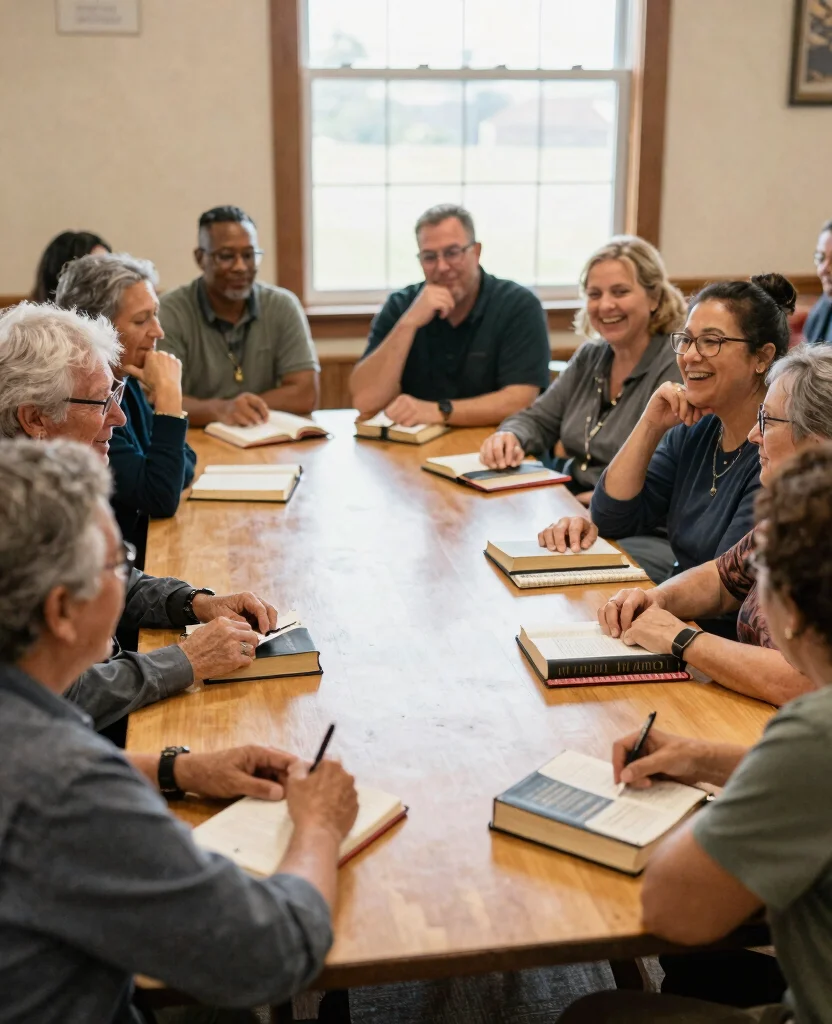
Are you seeking a way to deepen your faith while connecting with others? The Group Study Method fosters a community atmosphere, allowing you to share insights and perspectives on scripture. This collaborative approach enhances your understanding and builds lasting friendships through shared faith experiences.
Consider joining an existing Bible study group or starting one with friends. During meetings, read a chosen passage together and discuss its relevance to your lives. Encourage open sharing of thoughts and questions to create an inviting space for dialogue. This method not only strengthens your learning but also nurtures community bonds.
Steps for a successful group study:
– Appoint a leader to guide discussions.
– Set a regular meeting schedule that accommodates everyone.
– Choose engaging books or themes that interest the group.
Group study enriches your faith journey and creates meaningful connections with others. You’ll experience personal growth while learning together.
📹 Related Video: Practices of a Small Group Leader: Leading an Effective Bible Study Conversation
How To Choose Effective Bible Study Methods for Beginners
Choosing the right Bible study methods can significantly enhance your experience as a beginner. With so many options available, it can be overwhelming to decide which approach will best suit your needs. Here are some key criteria to consider when selecting the ideal method for you.
1. Your Learning Style
People learn in different ways. Some prefer reading and writing, while others learn best through discussion or listening. Think about how you absorb new information. If you’re a visual learner, methods like Verse Mapping or thematic studies might resonate with you. If you prefer interactive learning, consider joining a Group Study.
2. Time Commitment
How much time can you devote to your Bible study? Some methods require daily engagement, like the Devotional Method, while others can be done weekly or bi-weekly, like the Group Study Method. Assess your schedule to ensure that the method you choose fits comfortably within your routine. It’s better to pick a method you can stick with rather than one that feels overwhelming.
3. Availability of Resources
Check what materials or resources you need for each method. Some methods, like the Inductive Study Method, may require specific books or guides. Others, such as Audio Bible Study, can be accessed easily through apps or online platforms. Make sure you have easy access to the resources that will support your chosen method.
4. Community Support
Having a support system can enhance your Bible study experience. If you enjoy discussing and sharing insights, consider methods that involve group settings. The Group Study Method is excellent for community learning. Alternatively, if you prefer solitude, methods like the SOAP Method allow for personal reflection and growth.
5. Faith Goals
Consider your personal faith goals when selecting a study method. Are you looking to deepen your understanding of specific themes or passages? Methods like Thematic Study or The SOAP Method focus on applying the scriptures to your life. Aligning your method with your spiritual objectives will make your study time more meaningful.
Pro Tip: Start with one method that appeals to you and gradually incorporate other methods as you grow more comfortable. This way, you can explore various styles without feeling overwhelmed. Remember, the key is consistency, so choose a method that you can commit to regularly!
By considering your learning style, time commitment, resource availability, community support, and faith goals, you’ll be well on your way to finding the right Bible study method for your journey. Each method offers unique benefits, so take your time to discover what resonates best with you. Happy studying!
5. The Devotional Method: Daily Reflections

Seeking a gentle way to connect with scripture daily? The Devotional Method encourages regular engagement through daily readings and reflections. This approach is perfect for busy individuals, offering bite-sized pieces of scripture that nurture your spiritual life without overwhelming you.
Start your day with a devotional that resonates with your soul. Read the scripture and its accompanying reflection, taking time to journal your thoughts. This practice allows you to see how the passage applies to your daily life, fostering a personal connection with God.
How to integrate this method into your routine:
– Select a devotional that aligns with your spiritual interests.
– Establish a consistent time each day for quiet reflection.
– Keep a prayer journal to document your thoughts and requests.
This method makes it easy to incorporate scripture into your life. You’ll find peace and inspiration as you reflect on God’s Word each day.
Some days, life rushes by and the verse gets skipped. The Devotional Method keeps you grounded with daily reflections, a steady rhythm for bible study methods for beginners. Start small, journal honestly, and watch your faith grow.
You might also like


6. The Thematic Study Method: Exploring Themes

Do you want to explore specific topics within the Bible? The Thematic Study Method allows you to focus on particular themes, providing insights into what scripture says about your areas of interest. This targeted approach deepens your understanding and connects various passages around a central idea.
Start by identifying a theme that captivates you, such as love, forgiveness, or faith. Use resources like concordances to find relevant verses. Reflect on how these scriptures relate to each other and what overarching messages emerge. This method enhances your biblical knowledge while applying it to your life.
Steps to effectively study themes:
– Choose a theme that sparks your curiosity.
– Collect related verses and write your reflections.
– Consider how these insights apply to your everyday experiences.
This thematic exploration enriches your understanding of scripture. You’ll gain clarity and insight as you connect biblical principles to your life.
7. The Verse Mapping Method: Visual Learning

Are you a visual learner looking for a creative way to study scripture? The Verse Mapping Method lets you break down verses visually, helping to uncover their full meaning through creative expression. This engaging technique makes scripture more memorable and accessible.
Begin by selecting a verse that resonates with your current life situation. Write the verse in a circle, then branch out notes on context, keywords, and personal reflections. Use colored pencils or markers to create a vibrant visual map that illustrates how the verse connects within the larger biblical narrative.
To get started:
– Pick a verse that speaks to you personally.
– Gather materials like paper and markers to create your map.
– Include thematic connections and reflections for depth.
This method appeals to those who enjoy hands-on learning. You’ll find that visual mapping enhances your engagement with scripture and makes it easier to remember key teachings.
8. Audio Bible Study: Learning Through Listening

Do you struggle to find time to read the Bible? The Audio Bible Study method allows you to engage with scripture through listening, making it perfect for busy lifestyles. This approach lets you absorb God’s Word while multitasking or unwinding, making scripture more accessible.
Find a reliable audio Bible app or website and select a passage to listen to. This method is especially beneficial for auditory learners, allowing you to listen while driving, exercising, or cooking. Pair your listening with journaling to enhance retention and reflection on what you hear.
Steps to incorporate this method:
– Explore different translations to find your favorite.
– Create a playlist for daily listening sessions.
– Take notes during or after listening to capture key insights.
This method makes engaging with scripture convenient and enjoyable. You’ll discover new insights and deepen your understanding through listening.
You Might Also Like


9. The Reflective Prayer Method: Scripture and Prayer Combined

Looking to deepen your prayer life alongside your scripture study? The Reflective Prayer Method combines reading and prayer, allowing you to connect more profoundly with God’s Word. This approach encourages meditation on scripture and expressing your thoughts through prayer.
Start by reading a passage that speaks to you. Take time to reflect on its meaning before crafting a prayer that incorporates your feelings and insights. This practice deepens your connection to God and enhances your spiritual growth through intentional reflection and dialogue.
How to practice this method:
– Select a scripture that resonates with your heart.
– Meditate on its significance before praying.
– Document your prayer and revisit it for growth.
This method enriches your spiritual journey, making prayer a more meaningful part of your daily life. You’ll find clarity and peace as you engage with scripture in a heartfelt way.
10. The Life Application Study Method: Putting Faith into Action

Do you want to actively live out your faith? The Life Application Study Method focuses on translating scripture into real-life actions. This approach bridges the gap between knowledge and practice, encouraging you to embody biblical teachings in your daily life.
After reading a passage, reflect on how its lessons relate to your current circumstances. Write down actionable steps in a journal that help you apply these teachings. This method not only deepens your understanding but also motivates you to live your faith actively.
Steps for practical application:
– Read the scripture and reflect on its implications.
– Identify key lessons and create specific action plans.
– Share your plans for accountability with friends or family.
This engaging method empowers you to put your faith into practice. You’ll experience growth and fulfillment as you actively apply scripture to your life.
Conclusion

Embarking on your Bible study journey can transform not only your understanding of scripture but also your relationship with God. Each method presented here offers unique approaches to exploring the Bible, ensuring there’s something for everyone.
Whether you choose a personal approach, engage with a community, or find a method that resonates with your learning style, the important part is to make scripture a regular part of your life. Start small, be patient with yourself, and watch how your faith flourishes over time!
Frequently Asked Questions
What are the most effective bible study methods for beginners to start a consistent devotion?
Start small with 2 core methods: inductive Bible study and SOAP journaling. Keep sessions 10-15 minutes, 3-4 days a week to build a steady habit. Here’s a simple plan you can try:
– Read a short passage (a chapter or 5-10 verses) slowly and prayerfully.
– Observe: note who is speaking, what’s happening, and any repeated words or themes.
– Interpret: ask what God might be saying to you in this context.
– Apply: write one concrete, doable change you’ll make this week.
– Pray: end with a brief prayer asking for understanding and strength.
Keep a tiny journal or notes to track insights and decisions. Use a single notebook or a note app so you can review later. If you miss a day, don’t quit—just pick up where you left off. The goal is consistency, not perfection. This approach helps you build bible study methods for beginners that work for your life.
How can beginners choose bible study methods for beginners that fit their personality and schedule?
Begin by understanding your learning style and daily rhythm. Here are practical steps to pick bible study methods for beginners that fit you:
– List your typical daily windows (morning, commute, lunch, evening).
– Try 1-2 methods: for example, SOAP journaling for reflective readers, or verse mapping for visual learners.
– Test each method for 2 weeks and note what sticks: consistency, understanding, impact on your faith.
– Decide if you want solo study or join a small group. If you’re busy, consider audio scripture or short 5-minute sessions.
Tailor the choice to your personality and schedule so you can grow with bible study methods for beginners that are sustainable.
What practical steps can I take to implement bible study methods for beginners in a busy week?
You can start with a micro-routine that fits a tight schedule. Try this simple plan:
– Choose 1 passage and spend 5-7 minutes reading it aloud or quietly.
– Use a 3-point method: Observe, Apply, Pray.
– Do this 4 days this week and keep a tiny journal with 1 sentence for what you learned and 1 concrete action.
– Add one verse, one application, and one prayer each day to build momentum.
With bible study methods for beginners, consistency beats length—small daily steps compound into real growth.
Are there simple daily routines or devotionals that pair with these bible study methods for beginners to deepen faith?
Absolutely. A simple daily routine can be: 5-7 minute read, one reflection sentence, one application sentence, and a short prayer. Pair this with a devotional that emphasizes practical application, or use the SOAPS approach (Scripture, Observation, Application, Prayer, and Sermon note) to keep your focus clear. You could map a weekly theme (grace, faithfulness, hope) and apply it to real-life decisions. This keeps your study practical and deeply personal, deepening your faith through routine and devotion.
Remember, even modest, steady practice builds spiritual momentum, especially when you regularly return to bible study methods for beginners.
How do I measure progress and stay motivated when using these bible study methods for beginners?
Measure progress by consistency and clarity, not volume. Keep a simple log: mark days you studied, a one-line insight, and one action you took. Set small goals (e.g., 3 study days this week, finish a short book this month) and celebrate each milestone. Find an accountability partner or join a small group to share reflections and encourage each other. Revisit your initial questions quarterly and adjust as needed. Stay motivated by focusing on relationship with God, not perfection, and you’ll see growth in your faith journey through bible study methods for beginners.
Related Topics
bible study methods
beginner friendly
faith journey
devotional practices
scripture study
personal growth
spiritual development
easy techniques
group study
daily devotionals
Christian resources
exploring faith