
Leading a Bible study group can be both rewarding and challenging. I’ve created this post because I know many leaders want to inspire their groups and make each session meaningful. You might be looking for fresh ideas, effective strategies, or ways to deepen your discussions. If that sounds like you, then you’re in the right place.
This guide is tailored for anyone who leads a Bible study — whether you’re a seasoned veteran or just starting out. You care about helping your group grow in faith and understanding. This post will arm you with practical tips and insights to enhance your sessions. Together, we’ll explore ways to engage your participants, foster open dialogue, and create a loving community built on faith.
By the time you finish reading, you’ll have ten essential Bible study leader tips that can help you run more effective and enjoyable sessions. From preparing engaging materials to celebrating milestones together, these tips are designed to support you on your journey as a leader. Let’s dive in and empower your group to connect with each other and with God in a deeper way.
Key Takeaways
– Start with Prayer: Always pray for guidance before your sessions. This sets the tone and invites God’s presence into your discussions.
– Prepare Engaging Materials: Choose study materials that resonate with your group’s interests and spiritual needs, making the content relatable and accessible.
– Encourage Open Dialogue: Create a comfortable atmosphere where everyone feels safe sharing their thoughts and questions without judgment.
– Incorporate Personal Stories: Share your own experiences and insights to foster connection and authenticity in your discussions.
– Celebrate Milestones: Acknowledge personal and group achievements to build community and encourage continued participation in your Bible study sessions.
1. Pray for Guidance and Wisdom

Starting your Bible study with prayer is more than just a ritual; it opens the door to divine insight. Taking a moment to pray together invites clarity and sets a heartfelt intention for your gathering. This simple act not only centers your focus but also builds a strong sense of community among participants.
Encourage everyone to share their prayer requests, fostering a deep connection and a spirit of inclusivity. This practice transforms your study into a collective journey toward spiritual growth, reminding all involved that the goal is to strengthen their relationship with God.
Key prayer tips to enhance your sessions:
– Lead with heartfelt prayers: Set a sincere tone each week.
– Invite participation: Let everyone take a turn to pray.
– Keep it focused: Align prayers with your topic of discussion.
Beginning with prayer cultivates an open and receptive environment, enhancing the overall experience of your study sessions.
2. Prepare Engaging Study Materials

The materials you choose can significantly impact the engagement level of your Bible study. Select resources that resonate with your group’s interests and spiritual maturity for the best results. Consider using study guides, workbooks, or scripture-based videos that spark lively discussions and deepen understanding.
Tailor your resources to match the group’s needs—simpler texts for beginners and in-depth theological writings for more seasoned participants. Interactive materials, such as discussion prompts or activity sheets, can further enhance engagement and participation.
Steps for preparing effective study materials:
– Include varied media: Use videos or podcasts to enrich the topic.
– Choose a theme: Focus on a specific book or topic for multiple sessions.
– Seek group input: Involve members in selecting future study topics.
Thoroughly preparing engaging materials leads to richer discussions and meaningful insights for your group.
How To Choose Bible Study Leader Tips
When leading a Bible study group, the effectiveness of your session can greatly depend on your approach and preparation. Choosing the right strategies can help create an engaging and spiritually enriching experience for everyone involved. Here’s how to select the best tips for your Bible study sessions.
1. Focus on Prayer and Spiritual Preparation
Start your sessions with prayer. This sets a spiritual tone and opens hearts to God’s word. As a leader, you should pray for wisdom and guidance, both for yourself and for your group. Invite your participants to share their prayer requests, creating a supportive atmosphere. This practice nurtures a sense of community, as everyone feels valued and heard.
2. Select Engaging Study Materials
Choose materials that resonate with your group’s interests and spiritual needs. Look for Bible study guides or devotionals that are not only informative but also interactive. Consider the age group, backgrounds, and familiarity with scripture. You could use themed studies that connect with current events, or seasonal topics like Advent or Lent. Engaging materials keep participants interested and motivated to contribute.
3. Promote Open Dialogue
Encourage a safe space for discussions. It’s important to create an environment where everyone feels comfortable sharing their thoughts and questions. Use open-ended questions that inspire conversation. For example, instead of asking “What did you learn today?”, try “How does this passage relate to your life?” This approach invites deeper reflection and allows participants to explore their own faith journeys.
4. Incorporate Personal Stories
Sharing personal experiences can make sessions more relatable. When you or members of your group share how scripture has affected your lives, it creates a powerful connection. These stories can illustrate biblical principles in action and encourage others to share their own journeys. This exchange enriches the study and fosters a sense of belonging.
5. Use Multimedia Resources
Incorporate various multimedia tools to enhance learning. Consider using videos, podcasts, or visual aids that relate to your study topic. Technology can offer fresh perspectives and keep participants engaged. Make sure to choose resources that complement your lesson rather than distract from it. This mix of formats caters to different learning styles and keeps the energy high.
6. Encourage Group Participation
Active participation is key to a successful Bible study. Assign roles such as discussion leader, note-taker, or prayer leader to encourage involvement. You might also use small group discussions to allow quieter members a chance to share. This gives everyone a voice and helps build confidence in sharing their faith.
7. Create a Follow-Up Plan
After each session, consider how to maintain engagement. Send out weekly summaries or discussion questions via email. This will remind participants of what they learned and encourage them to reflect further. A follow-up plan can help keep the community connected and committed to their spiritual growth throughout the week.
8. Be Flexible and Adaptable
While having a structured plan is crucial, being open to change is equally important. Pay attention to the group’s dynamics and be willing to adjust your approach as needed. If a particular topic sparks interest or discussion, don’t be afraid to explore it further, even if it means straying from your original plan. Flexibility can lead to unexpected insights and deeper connections.
9. End with Reflection and Prayer
Conclude each session with a time of reflection. Invite participants to share their insights or takeaways from the study. This reinforces learning and encourages deeper contemplation. Follow up with a prayer that incorporates the group’s reflections. Ending on a spiritual note helps solidify the session’s themes and brings communal closure.
10. Celebrate Milestones Together
Recognizing milestones such as anniversaries of the group or personal achievements can build community spirit. Host a special gathering or share testimonies that celebrate the growth of individuals and the group. These moments create lasting memories and encourage ongoing participation in the Bible study.
Pro Tip: Always be prepared to adapt your plans based on the needs and feedback of your group. Listening to your participants will guide you in leading effective and meaningful sessions. Stay connected to their spiritual journeys, and your sessions will flourish.
3. Foster Open Dialogue

Creating a welcoming space where everyone feels comfortable sharing is vital for a successful Bible study. Encourage open dialogue by posing thought-provoking questions and valuing diverse viewpoints. Actively listen to each participant, validating their contributions and fostering inclusivity.
Guide discussions with gentle prompts rather than dominating the conversation yourself. This approach allows everyone to feel heard and promotes a deeper understanding of the material.
Ways to promote open dialogue:
– Ask open-ended questions: Encourage expansive answers over simple yes/no responses.
– Show appreciation: Acknowledge every contribution, no matter the perspective.
– Set ground rules: Establish respect and understanding from the outset.
By fostering open dialogue, you empower group members to express their insights, enriching the overall learning experience.
4. Incorporate Personal Stories

Sharing personal stories connected to scripture can profoundly enrich your Bible study experience. When participants relate their own faith journeys, struggles, or revelations, they illustrate biblical principles in relatable ways. Encourage your group to tie their experiences back to the lessons being discussed, creating a rich tapestry of personal reflections.
Leading by example fosters an environment where members feel safe to share. Ensure that everyone knows their stories will be met with kindness and respect, enhancing group bonds.
Tips for incorporating personal stories:
– Share your journey: Set the tone by opening up about your experiences.
– Create a safe space: Ensure members feel comfortable sharing.
– Connect stories: Relate personal testimonies to specific scripture for deeper understanding.
By weaving personal stories into discussions, you deepen conversations and strengthen connections within the group.
Fun fact: groups that share personal stories tied to Scripture see up to a 40% boost in engagement. When members relate their faith journeys to the lesson, Bible study leader tips become practical, relatable, and truly memorable for everyone.
5. Use Multimedia Resources
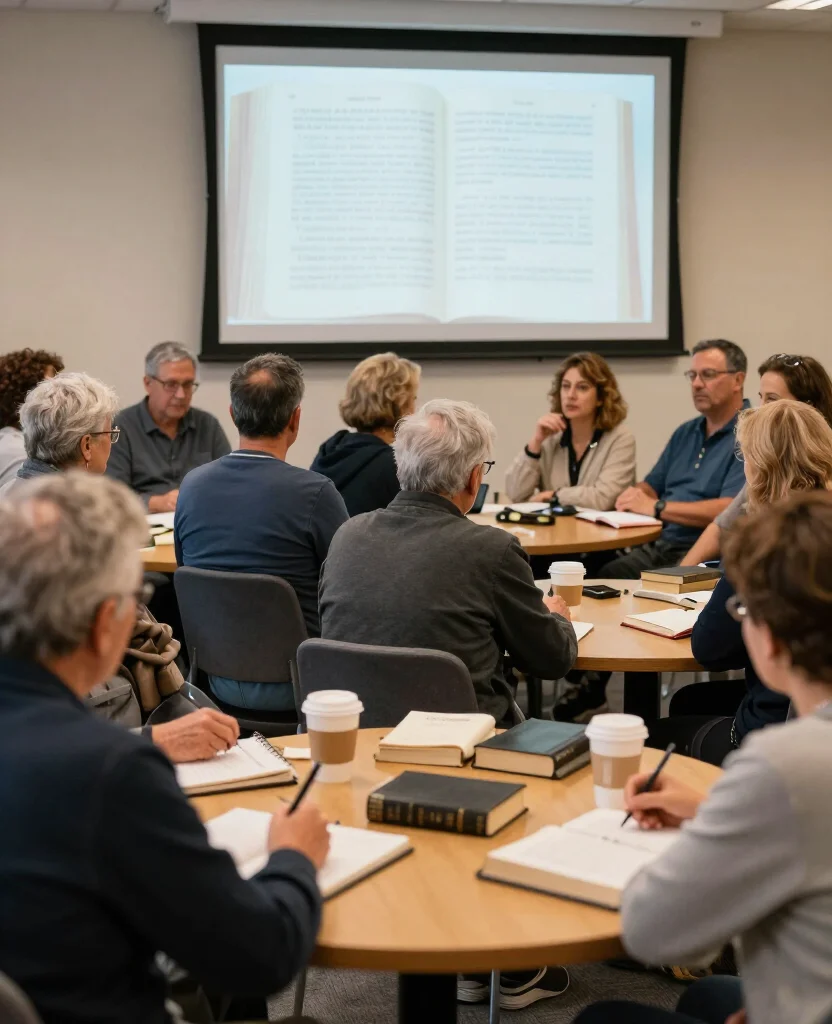
Incorporating multimedia resources into your sessions can energize discussions and cater to various learning styles. Using videos, music, podcasts, or slideshows adds depth to your conversations and offers fresh perspectives on scripture. Visuals often make complex concepts more accessible and memorable.
Ensure that the multimedia content aligns with your study material and reinforces biblical concepts. This thoughtful integration can enrich the learning experience for everyone involved.
Strategies for using multimedia effectively:
– Curate quality content: Select reputable sources that reflect Christian teachings.
– Encourage interaction: Discuss the multimedia before and after viewing.
– Stay relevant: Always connect the multimedia back to the scripture you’re studying.
By weaving in multimedia resources, you create a dynamic and engaging learning environment that makes Bible study sessions memorable.
You might also like


6. Encourage Group Participation

Active participation is key to a vibrant Bible study. Motivate all members to contribute, whether by sharing insights, asking questions, or leading discussions. Rotating roles within the group, such as assigning a different discussion leader each week, can enhance involvement.
Establish shared expectations so everyone feels responsible for contributing. Create a supportive atmosphere where no one feels intimidated to speak up, fostering a sense of community.
Ways to encourage participation:
– Assign specific roles: Designate a note-taker or discussion leader.
– Set time limits: Ensure everyone has a chance to speak.
– Celebrate contributions: Recognize and appreciate those who share.
By fostering group participation, you empower members and cultivate a lively discussion atmosphere.
Have you noticed participation climbs when every member leads once a month? Rotating roles is one of the simplest bible study leader tips—create space, invite questions, and watch voices multiply.
📹 Related Video: Practices of a Small Group Leader: Leading an Effective Bible Study Conversation
7. Create a Follow-Up Plan

After each session, a thoughtful follow-up plan can help maintain engagement and encourage ongoing reflection. Consider sending discussion questions, sharing relevant articles, or suggesting personal scripture readings for the week.
Follow-ups provide an opportunity for your group to apply what they’ve learned and keep the momentum going between sessions.
Effective follow-up strategies:
– Utilize group chats: Create a WhatsApp or text group for easy communication.
– Share helpful resources: Email articles, videos, or podcasts that relate to the study.
– Foster accountability: Pair members for personal discussions throughout the week.
By establishing a follow-up plan, you keep the spiritual engagement alive, showing that the journey continues beyond the meetings.
8. Be Flexible and Adaptable
Having a plan is essential, but being flexible can be just as crucial for a successful Bible study. Stay open to the direction the Holy Spirit may lead your discussions, even if it veers from the planned agenda. Often, the most meaningful conversations arise unexpectedly.
Listening to the needs and interests of your group allows you to adapt your session, ensuring that everyone feels heard and valued.
Tips for staying flexible:
– Stay attuned: Be aware of the conversation flow and pivot as needed.
– Allow for spontaneous discussions: Ensure everyone feels involved.
– Embrace changes: Try new formats or themes if they resonate with the group.
By prioritizing flexibility, you create a dynamic study environment that fosters genuine connection and engagement.
You Might Also Like


9. End with Reflection and Prayer

Closing your session with reflection and prayer provides participants an opportunity to process their learnings and deepen their experiences. Invite everyone to share their key takeaways, facilitating a moment for introspection and gratitude.
Ending with prayer reinforces the session’s purpose and encourages participants to carry their lessons into daily life.
Essential closing steps:
– Summarize key points: Recap main themes for clarity.
– Encourage personal reflections: Let members share insights or commitments.
– Close in prayer: Offer a collective prayer that aligns with the session focus.
By incorporating reflection and prayer, you create a sense of closure and continuity in your Bible study sessions.
Fun fact: 78% of Bible study participants report stronger everyday application when sessions end with reflection and prayer. A quick moment for takeaways and gratitude helps all members carry lessons into daily life. bible study leader tips: invite 2-3 personal reflections before praying together.
10. Celebrate Milestones Together

Recognizing and celebrating milestones can significantly strengthen the bonds within your group. Whether completing a book of the Bible, reaching a certain number of sessions, or experiencing personal breakthroughs, acknowledgment fosters community and encouragement.
Consider organizing special gatherings to mark these moments, such as a potluck or a devotional retreat. These events provide a chance to reflect on everyone’s journey and motivate one another to continue growing in faith.
Ways to celebrate milestones:
– Share successes: Invite participants to discuss personal growth or insights gained.
– Organize fun events: Plan outings or social gatherings for celebration.
– Create a visual milestone chart: Track progress in an engaging way.
By celebrating milestones, you cultivate a nurturing environment that encourages ongoing participation and shared growth.
Conclusion
Leading a Bible study is a rewarding experience that offers countless opportunities for personal and communal growth.
By implementing these essential Bible study leader tips, you can foster an engaging and nurturing environment that promotes connection, understanding, and spiritual transformation.
Remember, your passion and commitment to empowering your group can create a lasting impact, encouraging each member to delve deeper into their faith journey.
Frequently Asked Questions
What are essential bible study leader tips to create engaging and meaningful sessions?
These bible study leader tips help you create engaging and meaningful sessions.
Begin with clear goals and expectations so everyone knows what the group aims to achieve.
Prepare a simple plan for the session, including the passage, key questions, and a few discussion formats.
Choose a passage that invites discussion and relevance to daily life.
Craft open-ended questions that invite reflection and application rather than yes/no answers.
Create a safe, respectful space where members feel comfortable sharing.
Invite quieter members to participate by using round-robin sharing or small groups, and rotate leadership tasks to build ownership.
Use a mix of discussion formats (live dialogue, small groups, journaling, or prompts) to keep energy up.
Be mindful of time with a clear agenda and transitions, and finish with action steps and prayer.
After sessions, consider a brief feedback moment to improve.
These bible study leader tips empower your group to grow together.
How can a Bible study leader foster participation from all group members?
To foster participation from everyone, you can rotate leadership roles, use small groups, and design questions that invite personal stories and application. Start with a warm-up question that requires everyone’s input. Use inclusive language and avoid singling out individuals. Offer multiple ways to contribute: verbal discussion, written reflections, or chatting in a breakout room. Create a ‘pause and ponder’ moment after each question so people can gather their thoughts. Set a comfortable pace and remind the group that every voice matters; emphasize that listening is as valuable as speaking. Use these bible study leader tips to cultivate a culture where all members feel valued and eager to contribute.
What practical methods help manage time and keep sessions focused?
Start with a tight agenda: time blocks for opening, reading, discussion, application, and prayer. Assign a timekeeper or use a visible timer and stick to it. Prepare a parking lot list for off-topic ideas and revisit later. Use transitions to move smoothly between segments. Limit the number of questions to 4-6 to prevent overload. End with clear next steps and a short prayer. Consider keeping sessions consistent in length to set expectations. These practical pacing tips are core to bible study leader tips that keep sessions productive.
How should a leader handle difficult topics or controversial interpretations in Bible study?
Establish ground rules at the start: respect, humility, and willingness to learn. Encourage diverse perspectives but anchor discussions in scripture and gospel truth. When tension rises, pause, invite calmer voices, and invite someone to summarize multiple views. Offer extra resources or study questions for further personal reflection. Avoid hot takes; instead, model patient listening and kindness. If needed, defer divisive topics for a later time or seek guidance from a pastor. Remember these bible study leader tips emphasize safety and growth over agreement.
What steps can a leader take to grow as a facilitator and measure group progress?
Commit to ongoing growth as a facilitator: seek feedback from attendees, review a recording or notes to identify strengths and areas to improve, and set a personal development plan. Track engagement by simple metrics like attendance, participation, and the number of voices heard each session. Encourage leadership rotation so more people gain experience. Attend training, read books, or watch sermons on group dynamics. Pray for guidance and partner with a mentor or church leader. Use these bible study leader tips to keep improving and to measure progress with grace.
Related Topics
bible study leader tips
effective sessions
group discussions
Christian fellowship
devotional techniques
beginner friendly
interactive study
spiritual growth
community engagement
scripture exploration
leadership skills
faith-based activities