
Hosting a Bible study can feel like a daunting task, especially if you’re aiming to create a space that is both welcoming and spiritually enriching. That’s why I decided to put together this guide. I’ve noticed many people want to deepen their faith and connect with others but aren’t sure how to get started. Whether you’re a seasoned leader or a first-timer, this post is for you. You’ll find practical tips to host a Bible study that not only strengthens your faith community but also fosters genuine connections among members.
If you’re someone who values building relationships through faith and sharing God’s word, you’re in the right place. It’s about creating an inviting environment where everyone feels comfortable to share and grow. In this post, I’ll share seven actionable tips that will help you create engaging sessions, cultivate a sense of belonging, and inspire your group. You’ll walk away with ideas that are easy to implement and will make a profound impact on your community’s faith journey.
So, let’s dive in! These tips will help you transform your Bible study into a meaningful experience that encourages growth, reflection, and connection. From choosing the right setting to incorporating prayer and worship, you have the tools to create something truly special.
Key Takeaways
– Create a Comfortable Setting: Choose a space that is warm and inviting to encourage open discussions and fellowship.
– Select Engaging Materials: Use Bible study materials that resonate with the group, including guides, devotionals, or multimedia resources.
– Foster Respectful Dialogue: Establish ground rules to promote an open and respectful atmosphere where everyone feels safe to share their thoughts.
– Incorporate Prayer and Worship: Start or end your sessions with prayer and worship to deepen the spiritual connection among the participants.
– Encourage Personal Reflection: Allow time for group members to share personal insights and experiences that connect to the study, enhancing collective understanding and growth.
1. Choose a Comfortable and Inviting Setting

Finding the right space for your Bible study can really enhance the experience for everyone involved. You want a setting that feels cozy and welcoming, making participants feel right at home. Picture a warm living room or a community space with chairs arranged in a friendly circle, inviting open conversation. Soft lighting from lamps or candles can create a relaxing atmosphere, while personal touches like plants or family photos add warmth and familiarity.
Start by creating a layout that encourages interaction. Opt for circle seating to make discussions easier. Add cushions or blankets for added comfort, and ensure the temperature is just right. Having snacks and drinks available can also make the gathering feel more inviting.
Here are some tips for setting up the ideal space:
– Arrange seating in a circle to encourage participation.
– Use blankets or cushions for extra comfort.
– Make sure the temperature is pleasant, and consider having drinks and snacks on hand.
Establishing a warm environment will help everyone feel at ease, leading to open sharing and insightful discussions.
Fun fact: a cozy space can boost participant engagement by up to 40%. For hosting a bible study tips, arrange chairs in a welcoming circle and add soft lighting—people join the discussion more freely.
2. Select Engaging Bible Study Materials

The materials you choose for your Bible study can significantly impact engagement and understanding. With countless resources available, you can select study guides, devotional books, or even Scripture-based video series that resonate with your group. Tailor your choices to fit the interests and needs of your participants, ensuring that everyone stays engaged.
For newcomers, a beginner’s guide can be a great start, while seasoned members may appreciate more in-depth theological discussions. It’s also beneficial to diversify the types of resources you use to cater to various learning styles.
Here are some pointers for selecting materials:
– Include diverse resources that cater to different learning styles, such as videos, books, and discussion questions.
– Choose a specific book of the Bible or a theme that your group can explore over several sessions.
– Encourage group members to contribute their suggestions for materials, making them feel more invested in the study.
Using engaging resources can ignite thought-provoking discussions and personal insights.
3. Foster an Open and Respectful Atmosphere
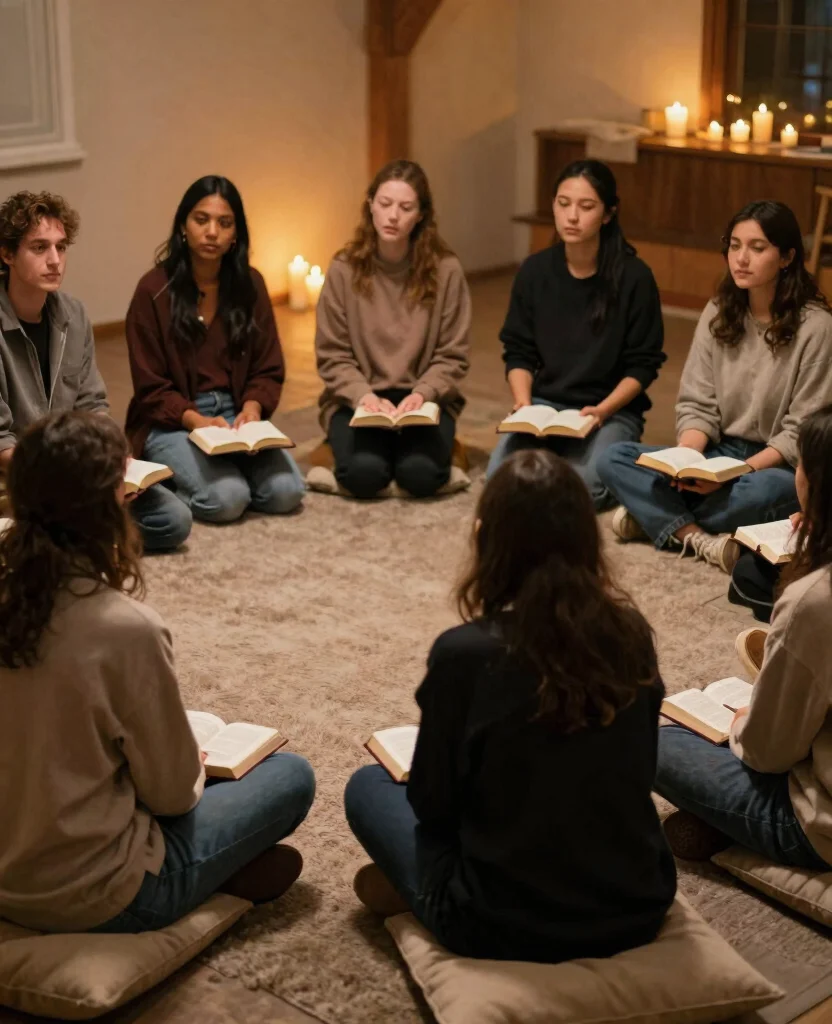
Creating a safe and open environment is crucial for a fruitful Bible study. Start by establishing ground rules that encourage respect for diverse opinions and ensure everyone has a chance to speak. This sets the tone for honest dialogue and helps participants feel comfortable sharing their thoughts and questions.
Emphasize that no question is too small and that each person’s perspective is valuable. This approach not only builds confidence but also fosters deeper connections among group members.
Here are helpful strategies to promote a respectful atmosphere:
– Start with a prayer to invite a spirit of openness and unity.
– Encourage each member to share their thoughts without judgment.
– Model respect by actively listening and valuing each person’s contribution.
By nurturing this atmosphere, participants will likely engage more authentically, leading to richer discussions and stronger community bonds.
📹 Related Video: Practices of a Small Group Leader: Leading an Effective Bible Study Conversation
4. Incorporate Prayer and Worship

Incorporating prayer and worship into your Bible study is vital for creating a spiritually enriching experience. Starting each session with a prayer can help focus the group’s minds and hearts as you explore Scripture together. You might also consider integrating worship through singing hymns or contemporary Christian songs that relate to your study topic.
Even a few minutes of worship can significantly enhance the spiritual atmosphere, allowing participants to connect more deeply with God and each other.
Here are some ways to incorporate prayer and worship:
– Provide opportunities for spontaneous prayers or requests from group members.
– Use worship music as a backdrop during discussions or quiet reflection time.
– Create a worship playlist that aligns with your study theme for participants to enjoy at home.
These practices will not only enrich your study but also foster a closer connection among participants and with God.
When hosting a bible study tips session, start with a short prayer and a quick moment of worship to set the tone. It invites hearts to connect with Scripture and with one another in practical, meaningful ways. Small worship pauses can boost focus and fuel honest community.
You might also like


How To Choose Engaging Bible Study Materials
When hosting a Bible study, selecting the right materials is key to creating a meaningful experience. Your choices can help deepen faith, spark discussions, and keep everyone engaged. Here are some tips to guide you in choosing the best resources for your group.
1. Understand Your Group’s Needs
Before selecting materials, take a moment to assess the preferences and needs of your group. Consider their age, spiritual maturity, and familiarity with the Bible. You may want to ask members about topics they find interesting or challenging. This understanding will help you curate content that resonates with everyone.
2. Choose a Focused Topic
A well-defined topic helps keep the study organized and purposeful. Whether it’s a specific book of the Bible, a theme like love or forgiveness, or even a character study, having a clear focus allows for deeper exploration. This clarity can enhance discussion and enable members to share their insights more effectively.
3. Look for Interactive Resources
Engagement is crucial for a successful Bible study. Opt for materials that include discussion questions, group activities, or study guides with prompts. Interactive resources encourage participation and allow members to share their thoughts and experiences. Look for materials that inspire dialogue and create a safe space for sharing.
4. Consider Format and Accessibility
Think about how your group absorbs information. Do they prefer reading, watching videos, or listening to podcasts? Choose materials that accommodate different learning styles. Additionally, ensure that resources are easily accessible, whether through printed copies, online platforms, or apps. Accessibility helps everyone participate fully.
5. Evaluate Theology and Content Quality
Ensure that the materials align with sound biblical teaching. Research authors and publishers to confirm their credentials and theological stance. High-quality resources encourage accurate interpretations and thoughtful discussions. You want to foster a deeper understanding of Scripture, so prioritize materials that are biblically sound.
6. Incorporate Fresh Perspectives
To keep the study vibrant, consider including diverse authors and viewpoints. This variety can introduce new insights and foster richer discussions. Look for materials that challenge conventional thinking and encourage members to explore their faith from different angles, creating a more dynamic study experience.
Pro Tip: Create a small library of materials that you can rotate through in future studies. This way, you can revisit topics or themes, providing fresh insights while keeping your group engaged over time.
Choosing the right Bible study materials is essential for an inspiring and effective study. By understanding your group’s needs, focusing on engaging topics, and evaluating quality resources, you can create an enriching experience that strengthens your faith community. Happy studying!
5. Encourage Personal Reflection

Encouraging personal reflection can greatly enhance participants’ understanding of the Bible. Allow time during each session for individuals to think about how the Scripture relates to their own lives. This can take the form of journaling, quiet meditation, or sharing insights with the group.
Providing prompts can help steer these reflections. Questions like, “What resonates with you in this passage?” or “How can this lesson be applied to your daily routine?” can facilitate deeper connections to Scripture.
Here are some suggestions for encouraging reflection:
– Allocate a few minutes at the end of each session for personal journaling.
– Share insights and thoughts during group discussions to foster connection.
– Offer guided meditation to help participants internalize the teachings.
This practice can lead to personal revelations and collective growth within your faith community.
The key to hosting a bible study tips is inviting personal reflection. Give space for journaling or quiet moments, then invite insights from the group and relate them to daily life. Simple prompts like ‘What resonates with you?’ turn study into action.
6. Build Community Through Activities

Bible study isn’t just about diving into the Word; it’s also about building meaningful relationships. Incorporating community activities can strengthen bonds among participants, making the experience more enjoyable and enriching. Consider hosting potluck meals, service projects, or group outings where members can connect outside of study sessions.
Organizing a monthly potluck is a great way to encourage fellowship, allowing for informal discussions about faith and life. Group service projects can also foster a sense of unity and purpose.
Here are ideas for building community:
– Host themed gatherings, like a “Favorite Bible Verse Night” where everyone shares their favorite verse and its significance.
– Organize volunteer opportunities that align with group interests, helping others while growing in faith.
– Create a group chat or online forum for continuous connection and support between studies.
These activities will strengthen relationships among members and deepen their commitment to the community.
You Might Also Like


7. Follow Up and Encourage Growth

Faith journeys extend beyond a single Bible study session. Following up with participants shows your genuine care for their spiritual growth. A simple message checking in on their reflections or offering encouragement can make a significant difference.
Consider creating a prayer chain or pairing participants as accountability partners to support each other’s growth. This ongoing connection allows members to share their experiences and progress outside of formal meetings.
Here are some tips for effective follow-up:
– Send weekly encouragements or Scripture passages related to your previous topics.
– Invite members to share their spiritual milestones or prayer requests.
– Consider setting up a group chat for ongoing conversations and support.
These practices will help maintain momentum in growth and strengthen the bonds within your faith community.
Conclusion

Hosting a Bible study can be a transformative experience for both you and your participants. By creating an inviting atmosphere, fostering open communication, and encouraging personal growth, you can build a strong faith community that thrives on connection and support.
These tips are just starting points; feel free to adapt them to fit your group’s unique dynamics and needs. As you embark on this journey, remember that the goal is to inspire and uplift one another in faith. Together, you can cultivate a deeper understanding of God’s word and strengthen your community bonds.
Frequently Asked Questions
What are practical steps for hosting a bible study tips to create an inspiring faith community?
Starting strong is simple: define a clear, faith-centered purpose and invite with warmth.
Pick a regular day, time, and a gentle, scripture-first format that newcomers can follow.
Prepare a short, approachable agenda: opening prayer, a brief scripture reading or reflection, guided discussion, and closing prayer.
Keep materials minimal—Bible, notebook, and a few discussion prompts.
For hosting a bible study tips, focus on Pray, Plan, and Practice to keep sessions meaningful and accessible.
How can I design discussions that welcome newcomers and keep everyone engaged?
Start with a warm welcome and clear expectations, then use inclusive language and simple terms for scripture.
Open with a brief icebreaker, read the passage together, and offer 3–5 open-ended prompts that invite personal experiences.
Rotate a volunteer to lead the discussion so everyone has a chance to contribute.
End with a short prayer and a note inviting ongoing questions.
These practices are practical hosting a bible study tips that help newcomers feel at home.
What structure or format helps a Bible study strengthen faith and fellowship?
A simple 60- to 90-minute rhythm works well: opening prayer, scripture reading, guided discussion, reflection in small groups, and closing prayer.
Adapt to your group size and setting (in-person or online) and keep the focus on Scripture and application.
Provide a one-page handout with key verses and prompts to stay on track.
This kind of structure aligns with hosting a bible study tips by balancing depth and accessibility.
How can I encourage participation and make sure every voice is heard during the study?
Set ground rules that honor each other, rotate facilitators, and invite quieter people with specific prompts.
Use small groups, think-pair-share, or round-robin sharing to ensure everyone gets a turn.
Provide optional roles (reader, note-taker, timekeeper) to empower participation.
Close with a moment of listening and prayer to honor what was shared.
Integrating these practices supports hosting a bible study tips that fosters belonging.
What common mistakes should I avoid to keep hosting a bible study tips focused and impactful?
Avoid turning the study into a lecture or neglecting the context of the verses.
Don’t cram too many prompts or let personal opinions overwhelm the text.
Skipping pre-reading or follow-up resources can weaken engagement.
Always anchor discussions in Scripture and aim for practical life application. For hosting a bible study tips, keep humility, scripture-centered discussion, and actionable takeaways each week.
Related Topics
bible study tips
faith community
small group
beginner friendly
devotional practices
inspiring discussions
spiritual growth
easy hosting
interactive sessions
community building
scripture study
weekly gatherings