BeginnerS Guide to Nurturing Your Spiritual Journey
In a world bustling with distractions and obligations,the quest for spiritual fulfillment frequently enough takes a back seat to the demands of daily life. Yet, the desire to connect with something greater than ourselves is a deeply rooted yearning that transcends time and culture. For many, the spiritual journey is not just a pursuit of solace but an invitation to explore the intricacies of existence, purposeand self-discovery. Whether you find yourself standing at the threshold of this personal odyssey or simply seeking to deepen your existing practise, this guide is designed to illuminate the path ahead. Within these pages, we’ll explore foundational concepts, practical tipsand gentle nudges to help you nurture your spiritual journey with authenticity and intention. Join us as we embark on a voyage toward inner peace, greater awarenessand a profound connection to the world around us.

Understanding Spirituality: The Foundation of Your Journey
Spirituality often serves as the vital undercurrent in our lives, guiding us toward a deeper understanding of ourselves and the world around us. As Paul writes in Philippians 2:13, “For it is God who works in you to will and to act to fulfill his good purpose.” This verse emphasizes that our spiritual journey is not a solo endeavor; rather, it is indeed a divine partnership. By fostering an awareness of God’s presence, we begin to cultivate a relationship that is transformative. Start by engaging in practices that encourage spiritual growth, such as daily prayer, meditation on Scriptureand reflective journaling. These activities create space for God to shape your thoughts and actions, stirring within you a longing for holiness and truth.
As you embark on this path, consider incorporating community into your spirituality. Hebrews 10:24-25 reminds us to “consider how we may spur one another on toward love and good deeds,not giving up meeting together.” Sharing your journey with others allows for mutual encouragement,accountability,and diverse perspectives that enrich your understanding. Connect with a mentor, join a small groupor engage in service projects that align with your faith values. Such interactions not only strengthen your relationship with God but also fortify the bonds of love and unity within the body of Christ. Remember, your journey is uniquely yours-embrace it with joy and an open heart, trusting in God’s perfect guidance.
To embark on a fulfilling spiritual journey,it’s essential to first grasp what spirituality means in the context of your life. Spirituality often involves recognizing a higher power or purpose beyond oneself. For many, this can be connected to God or a greater universal force. Understanding this concept allows you to create a framework for your spiritual exploration
Understanding Spirituality in Your Life
Spirituality is not merely an abstract concept; it embodies a deep recognition of something far greater than ourselves. It invites us to explore our connections with the divine, whether we identify that as God, a universal forceor the essence of life itself. As you begin this journey, consider Jeremiah 29:13: “You will seek me and find me when you seek me with all your heart.” This pursuit encourages an earnest search within yourself to uncover your purpose. Each of us has a unique spiritual blueprint, shaped by our experiences, beliefsand desires. Engage in reflective practices like meditation,prayer,or nature walks,and be open to what resonates with your spirit as you seek deeper truths.
Creating a Framework for Exploration
Establishing a personal framework for your spiritual exploration necessitates intentionality. Begin by journaling what spirituality means to you and how it manifests in your daily life. List down practices that resonate with you, such as attending a worship service, volunteeringor engaging in acts of kindness. Reflect on Philippians 4:8, which says, “Whatever is true, whatever is noble, whatever is right, whatever is pure, whatever is lovely, whatever is admirable-if anything is excellent or praiseworthy-think about such things.” This verse serves as a guide for what to fill your heart and mind with, steering your exploration toward uplifting and transformative experiences. Additionally, consider connecting with a community of like-minded individuals to share insights and encourage one another on your spiritual journeys.

Practical Application: Begin by setting aside a few minutes each day to reflect on what spirituality means to you. Consider questions such as:
Practical Application
Set aside a few moments each day to explore the unique essence of spirituality in your own life. reflect on questions such as: What does a personal relationship with God look like for me? How can I cultivate a deeper sense of trust in His plan? As you ponder these, consider the words of Jeremiah 29:13: “You will seek me and find me when you seek me with all your heart.” In reflecting on this scripture, make a list of daily practices that can help you draw closer to God, whether that be through prayer, meditationor studying the Word. Embrace the quiet moments to listen and be attentive to His whispers in your life, opening yourself to the transformative power of faith.
Moreover, think about how your spiritual journey can impact those around you. Ask yourself: How can I share the love and grace I receive with others? Reflect on Philippians 2:4, which encourages us to not only look to our own interests but also to the interests of others. This might manifest in simple acts of kindness, volunteeringor being a source of encouragement to a friend in need. By integrating these reflections into your daily life, not only do you nurture your spiritual growth, but you also create a ripple effect of love in your community. Consider journaling your thoughts and actions, allowing space for divine inspiration to guide your path forward.
What does a fulfilling spiritual life look like?
A Fulfilling Spiritual Life
A fulfilling spiritual life is often characterized by a deep sense of connection with God and a commitment to living out His will. This journey is more than just attending church services; it involves a personal relationship with the Creator,cultivated through prayer,meditation,and the study of Scripture. In Philippians 4:6-7, we are encouraged, “do not be anxious about anything, but in every situation, by prayer and petition, with thanksgiving, present your requests to God.” Embracing this directive allows for a transformative peace to envelop our hearts, ensuring that we remain grounded even in the face of life’s challenges.Daily practices such as journaling your prayers or sharing your faith journey with others can serve as powerful means to deepen this connection.
Manifestations of Spiritual Fulfillment
Beyond personal prayer and reflection,a spiritually rich life often manifests itself through acts of love and service to others. As 1 Peter 4:10 reminds us, “Each of you should use whatever gift you have received to serve others, as faithful stewards of God’s grace in its various forms.” Engaging in community service, contributing to church activitiesor simply being present for someone in need can illuminate your spiritual path and empower those around you. Consider creating a list of ways you can give back: whether volunteering, mentoringor providing emotional support, these acts nurture both your spirit and the lives of those you touch.Embrace the journey of spiritual fulfillment by recognizing and acting upon the divine purpose woven into your daily interactions.

How does faith play a role in your daily decisions?
Faith in Daily Choices
every day, we are presented with countless choices, big and small, that shape the trajectory of our lives. When faith is the lens through which we view our decisions, each choice becomes an opportunity for divine alignment. Reflecting on Proverbs 3:5-6, “Trust in the Lord with all your heartand lean not on your own understanding; in all your ways submit to himand he will make your paths straight,” encourages us to engage in prayer and seek god’s guidance. This act of submission transforms our decision-making process into a spiritual practice,reminding us that we are not alone. Each moment of contemplation or hesitation can serve as a reminder to invite the Holy Spirit into our thought processes, allowing faith to lead us toward wisdom and clarity.
Practical Applications of Faith
Incorporating faith into our daily lives can take many formats,from simple prayers before meals to deeper reflections during challenging times. As an example, when faced with a decision, consider creating a list of potential choices alongside a faith-based evaluation. Use the following table as a guide for assessing how each option aligns with your spiritual values:
| Decision | Faith Alignment (Yes/No) | Scriptural Reference | Next Steps |
|---|---|---|---|
| Job Change | Yes | Colossians 3:23 | Pray for insight |
| Financial Decision | No | 2 Corinthians 9:7 | Seek wise counsel |
| Relationship Choice | Yes | 1 Corinthians 15:33 | Discuss with a mentor |
By intentionally evaluating our choices against Scripture,we not only gain clarity but also develop a deeper relationship with God,reinforcing that faith is integral to every aspect of our lives. This practice encourages accountability and reflection, prompting us to consider how our decisions impact not only ourselves but also our relationships with others and our community, ultimately fostering a lifestyle of grace and integrity.

What practices resonate with you spiritually?
Spiritual journeys are deeply personaland many find resonance in practices that build a connection with God and foster inner peace. Consider gratitude journaling; documenting daily blessings can shift our focus from worries to gratitude.Psalm 107:1 reminds us, “Give thanks to the Lord, for he is good; his love endures forever.” Set aside a few moments each day to write down at least three things you are grateful for. This simple act not only strengthens your relationship with God but also cultivates a heart of appreciation, guiding you toward recognizing His presence in your life.
Another powerful practice is meditative prayer. rather than just talking to God,allow moments of silence to listen for His guidance and wisdom. In Matthew 6:6, we are instructed: “But when you pray, go into your room, close the door and pray to your Father, who is unseen.” Create a sacred space in your home where you can retreat for prayer and reflection. Additionally, you might incorporate Scripture meditation by selecting verses that speak to your spirit, reflecting on them throughout your day, thus weaving God’s Word into the fabric of your life.

Biblical Insight: In Proverbs 3:5-6, we are reminded to “Trust in the lord with all your heart and lean not on your own understanding; in all your ways submit to himand he will make your paths straight.” This verse encourages us to surrender our understanding and embrace spiritual guidance
Biblical Insight
Proverbs 3:5-6 serves as a powerful reminder of the importance of placing our complete trust in God. The instruction to “Trust in the Lord with all your heart” emphasizes the need for total commitment and faith,urging us to look beyond our limited perspective. Our understanding can often be clouded by emotions,experiences,or human reasoning,which can lead us astray. By leaning not on our own understanding, we open our hearts to divine wisdom, allowing God to navigate our paths. This shift from self-reliance to surrender prepares us for the guidance that only comes from a genuine relationship with Him,cultivating a deeper spiritual maturity.
Embracing Spiritual Guidance
To make this transition from reliance on self to reliance on God, we can incorporate practical applications in our daily lives. One effective approach is to start each day with prayer, inviting God’s presence into our decision-making processes. Additionally, seeking advice from spiritual mentors and engaging in community with fellow believers can provide external perspectives grounded in scripture. Consider establishing a daily routine that involves:
- Morning Devotion: Spend time reading Scripture and journaling about how it relates to your life’s challenges.
- Prayer: dedicate specific moments to pray for clarity and direction on significant decisions.
- Reflection: At the end of each day, reflect on how trusting in God shaped your experiences.
as we submit to Him in all our ways, we can trust that he will indeed “make [our] paths straight,” leading us toward fulfillment and purpose that surpasses our human understanding. Romans 8:28 reassures us that “in all things God works for the good of those who love him,” reinforcing the truth that surrendering to God’s will not only aligns us with His plan but also enriches our spiritual journey.
Establishing a Spiritual Practice: Rituals and routines
Creating a spiritual practice is akin to planting seeds in the garden of your soul; it requires intention and nurturing. Begin by integrating daily rituals that resonate with your heart and facilitate a deeper connection with God. Consider starting each day with a moment of stillness,perhaps through prayer or meditation,allowing Psalm 46:10,”Be still,and know that I am God,” to guide you. As the mornings unfold, dedicate time to read a chapter from the Bible, focusing on passages that inspire you.Take notes or journal your thoughts and questions,fostering a dialogue with the Divine. Remember, as you engage with Scripture, contextual understanding will deepen your insights, transforming text into living word.
Incorporate a weekly routine of gratitude that aligns with the principle of thankfulness in all circumstances. Set aside time each Sunday to reflect on the week past, noting blessings encountered and challenges faced. As 1 Thessalonians 5:18 instructs, “Give thanks in all circumstances; for this is the will of God in Christ Jesus for you.” This practice can include writing a list of things you are grateful for, praying for othersor even incorporating an artistic expression, such as painting or music, to honor these moments. Surround yourself with community; participating in group prayer or a Bible study reinforces connections with like-minded believers,who can share wisdom and encourage growth. Establishing these rituals will draw you closer to God and anchor your spirit amid life’s storms.

once you have a clear understanding of your spirituality, the next step is to establish a consistent practice that nurtures your spiritual growth. this can involve various rituals and routines that are meaningful to you. Are you drawn to prayer, meditation, reading scriptureor perhaps nature walks? Identify practices that resonate and bring you closer to your spiritual goals
Establishing Meaningful Practices
Developing a regular practice is akin to building a sturdy foundation for your spiritual life. Consider integrating prayer into your daily routine,whether through structured prayers or spontaneous conversations with God. Philippians 4:6-7 encourages us to present our requests to God with thanksgiving, which can definitely help cultivate a profound sense of peace amidst life’s trials. You might also find joy in meditation, allowing Scripture to fill your mind and spirit. Psalm 1:2 teaches us to “delight in the law of the Lord,” and meditation serves as a beautiful way to reflect deeply on what God has said, letting His truths shape your thoughts and actions.
Rituals and Routines that Resonate
Engaging with nature can also be a deeply spiritual experience. Taking walks through God’s creation provides not only physical exercise but also spiritual reflection. Romans 1:20 reminds us that “since the creation of the world God’s invisible qualities-his eternal power and divine nature-have been clearly seen.” During your nature walks, meditate on the beauty around you, recognizing it as a manifestation of God’s glory. Consider participating in community groups or study circles that focus on Scripture reading,where sharing insights can enhance your understanding and communal bond. The more your practices resonate with you, the more likely you are to continue them and grow in your faith.
Practical Application: Create a weekly schedule that incorporates your chosen spiritual activities. Start small; for instance, dedicate five minutes to prayer each morning or find a quiet spot outside for meditation on Sundays. Here’s a sample weekly spiritual practices planner:
Weekly Spiritual Practices Planner
Start by crafting a schedule that allows you to weave spiritual moments into your everyday life. Consider dedicating your mornings to brief,yet impactful,periods of prayer. For instance, each day, as you rise, take just five minutes to lift your thoughts to God. Reflect on Philippians 4:6-7, which reminds us to present our requests to God and experience his peace.On Sundays, carve out time to sit in nature, soaking in the beauty of creation. Embrace Psalm 46:10, which encourages us to “be stilland know that I am god.” This tranquil time can foster moments of deep connection with the divine and renew your spirit for the week ahead.
Here’s a sample planner that you can tailor to your liking:
| Day | Activity | Duration |
|---|---|---|
| Monday | Morning Prayer | 5 minutes |
| Tuesday | Scripture Reading | 10 minutes |
| Wednesday | Moments of Gratitude | 5 minutes |
| Thursday | Meditative Walk | 15 minutes |
| Friday | Reflection Journal | 10 minutes |
| Saturday | community Service | 1 hour |
| Sunday | Outdoor Meditation | 20 minutes |
Using this planner, begin small and gradually expand as you feel agreeable.As you integrate these activities into your week, hold onto Romans 12:2, which encourages conversion through the renewing of your mind. Each step you take, no matter how small, helps cultivate a deeper relationship with God and brings His love into every aspect of your life. Embrace this journey with open armsand allow the Holy Spirit to guide you.
Day
Nurturing Your Spiritual Journey
As we embark on this sacred journey, it’s essential to recognize the significance of each as an opportunity for spiritual growth. Every morning brings a new beginning, as emphasized in Lamentations 3:22-23: “The steadfast love of the Lord never ceases; his mercies never come to an end; they are new every morning; great is your faithfulness.” Embrace this notion as an invitation to renew your mind and spirit daily. Consider setting aside time each morning for meditation and prayer, allowing God to set the tone for your . Use this time to reflect on how His mercies can shape your thoughts and actions, helping you approach life with purpose and grace.
Along with daily prayer, identify specific practices that can enhance your spiritual experience. Implement the following activities in your routine to deepen your faith:
- Scripture Reading: Set aside a few moments each to read the Bible. Psalm 119:105 reminds us that “Your word is a lamp to my feet and a light to my path.” Journaling insights can further integrate these teachings into your life.
- Acts of Kindness: Engage in simple acts of kindness weekly. galatians 5:13 encourages us to “serve one another humbly in love.” This service not only benefits others but also enriches your soul.
- Faith Community: Surround yourself with fellow believers for support and growth. Ecclesiastes 4:9 says, “Two are better than one, as they have a good reward for their toil.” Collaborative prayer and faith discussions can foster spiritual resilience.

Activity
Embarking on your spiritual journey can be an enriching experience that requires reflection and active participation. Start by setting aside time each day dedicated to prayer and meditation. This not only strengthens your connection with God but also enhances your ability to listen to the holy Spirit. Consider reading a passage from the Bible each morning, allowing the Word to guide your thoughts and actions throughout the day. As Psalm 119:105 states, “Your word is a lamp to my feet and a light to my path.” Reflect on how this verse applies to your daily life and take notes in a spiritual journal to document your understanding and growth.
In addition to personal reflection, engaging with a faith community can significantly nurture your spiritual growth. Find a local church or online group that resonates with your values. Gather for worship, Bible studyor fellowship. Meeting like-minded believers will not only encourage you but will also allow you to share your experiences and hear from others. Organizing regular prayer meetings or service projects can further deepen your spiritual journey, echoing the call in Hebrews 10:24-25 to “consider how we may spur one another on toward love and good deeds.” below is a simple table highlighting potential community activities and their spiritual benefits:
| Spiritual benefit | |
|---|---|
| Weekly Bible Study | Deepens understanding of Scripture |
| Monthly Prayer Meeting | Strengthens community and prayer life |
| Volunteer Service Project | Demonstrates faith through action |
| Group Worship | Encourages collective praise and worship |

Duration
Nurturing your spiritual journey is a lifelong endeavor, often described in the Scriptures as a race that requires perseverance. Hebrews 12:1 encourages us to “run with endurance the race that is set before us,” highlighting that the path we tread may have its ups and downs, but with continual effort and prayer, we can grow closer to God. Allocate specific times each day or week for spiritual growth activities, whether through prayer, reading Scriptureor meditation. It’s essential to establish a routine that fits your life yet challenges you to deepen your relationship with Christ.
Consider incorporating a structured approach to by setting both short-term and long-term goals. For instance, you might aim to read the Bible for 10 minutes daily or complete a devotional book in a month. Reflect on what you learn and how it applies to daily life; such reflection can deepen your understanding and commitment. James 1:5 reminds us to seek wisdom,stating,”If any of you lacks wisdom,let him ask of God.” Tracking your progress can also be beneficial. Use simple tables to record insights gained, prayers answeredor spiritual milestones achieved, creating a visual representation of your journey and encouraging you onward.
| Spiritual Activity | Frequency | Reflection Notes | |
|---|---|---|---|
| Bible Reading | 10 minutes | Daily | Insights from today’s reading |
| Prayer | 15 minutes | Daily | Prayer requests and answered prayers |
| Devotional Study | 30 minutes | Weekly | Lessons learned from the devotional |

Monday
Connecting with God
Nurturing your spiritual journey begins with establishing a deep and meaningful connection with god. Setting aside time each day for prayer and reflection is essential. As Philippians 4:6-7 reminds us, “Do not be anxious about anything, but in every situation, by prayer and petition, with thanksgiving, present your requests to God.” This scripture encourages us to bring our worries to Him, opening the door to divine peace that surpasses all understanding. Find a quiet space, perhaps a favorite spot in your home or a peaceful outdoor areaand commit to a daily practice of speaking with God-sharing your hopes, fearsand gratitude. Consider keeping a prayer journal to document your journey, allowing you to see how god has been faithful over time.
Exploring the Scriptures
To deepen your understanding of God’s will for your life, regularly studying the Bible is crucial. Aim to incorporate scripture reading into your daily routine.For instance, consider starting with the Psalms, where you can find raw emotions and heartfelt conversations with God. Write down key verses that resonate with you and make an effort to memorize them. Romans 12:2 urges us to “not conform to the pattern of this world, but be transformed by the renewing of your mind.” Challenge yourself to reflect on these versesand think about how their truths apply in your life. You could create a simple chart to track your reflections:
| Scripture Reference | Key Insight | application |
|---|---|---|
| Philippians 4:6-7 | Prayer leads to peace | Daily prayer journal |
| Romans 12:2 | Renewing of the mind | Memory verse practice |
| Psalms | Expression of emotions | Reflective journaling |

Scripture Reading
Engaging with sacred texts is foundational to any spiritual journey, providing not only wisdom but also guidance through life’s complexities. Psalm 119:105 reminds us that “Your word is a lamp to my feet and a light to my path.” This verse encourages us to incorporate regular as a vital practice. Consider starting each day with a passage that speaks to you, whether it’s from the Psalms, Gospelsor epistles, letting the words settle in your heart. As you reflect on each verse, ask yourself how it applies to your life. Journaling your thoughts can help cement these insights into your daily routine.
Additionally, forming a habit of meditation on scripture can deepen your understanding and strengthen your faith. Here are some practices to incorporate:
- Pray Before Reading: Seek guidance for clarity and understanding.
- Practice Memorization: Choosing key verses to memorize helps internalize God’s word.
- Join a Study Group: Discussing scripture with others can provide new perspectives and accountability.
As Hebrews 4:12 states, “For the word of God is alive and active. Sharper than any double-edged sword,” it has the power to transform us. Embrace not just as a routine but as an opportunity for spiritual growth and enlightenment.

15 minutes
Spending just a day in quiet reflection can transform your spiritual journey. Create a sacred space where you can engage with God’s Word,offering a moment for the Holy Spirit to speak. Consider dedicating this time to reading scripture, starting with passages like Psalm 46:10: “Be stilland know that I am God.” Use this stillness to cultivate an awareness of His presence. You might keep a journal to note your thoughts, prayersand any revelations that arise during these reflective moments. This practice can help clarify your spiritual path and deepen your understanding of God’s will for your life.
To further enrich your 15-minute sessions, you could integrate diverse spiritual disciplines such as prayer, meditationor gratitude journaling. For example, use part of your time to pray over a specific situation in your life, seeking guidance and comfort in Philippians 4:6-7, which reminds us to not be anxious but to present our requests to God. Alternatively, spend a few moments with a gratitude list, recognizing God’s blessings in your life as a way to foster joy and contentment. Creating a weekly plan for these sessions can provide structure, ensuring you remain intentional in your spiritual growth. You might even want to implement a table to track your activities and spiritual progress over time:
| Day | Activity | Scripture Focus |
|---|---|---|
| Monday | Scripture Reading | Psalm 46:10 |
| Tuesday | Prayer | Philippians 4:6-7 |
| Wednesday | Gratitude Journaling | 1 Thessalonians 5:16-18 |
| Thursday | Meditation | Isaiah 30:15 |
| Friday | Reflection & Note-taking | Proverbs 3:5-6 |
| Saturday | Community Prayer | Matthew 18:20 |
| Sunday | Worship & Rest | Exodus 20:8-11 |
Wednesday
Midweek Reflection
As we journey through this week, consider the importance of establishing a strong foundation for your spiritual growth. In Matthew 7:24-25,Jesus teaches us about the wise builder who constructs his house on the rock,illustrating that our spiritual lives must be anchored in the Word of God. Just as that house withstands storms, so too will our faith when it is rooted in scripture and prayer. To nurture your spiritual journey, take time each to reflect on your “foundation”.Engage with passages that resonate with your life, allowing them to challenge and inspire you. Write down key verses that speak to your heartand meditate on them throughout the week.
Additionally, find community in your spiritual pursuits. Hebrews 10:24-25 encourages us to consider how we may spur one another on toward love and good deeds, not giving up meeting together. This midweek pause often serves as a perfect opportunity for fellowship, whether in person or virtually. Here are some ways you can connect with others:
- Join a local Bible study group or online fellowship.
- engage in a prayer chain with friends or church members.
- Share your insights from your scripture readings on social media or in group chats.

Prayer Session
Engaging in a is a transformative practice that allows believers to deepen their relationship with God. As you begin this journey, remember the words of Philippians 4:6-7: “Do not be anxious about anything, but in every situation, by prayer and petition, with thanksgiving, present your requests to God.” Take a moment each day to find a quiet space where you can commune with the Lord.Start by expressing gratitude for the blessings in your life, followed by specific prayers for yourself and others. You might consider using a prayer journal to record your thoughts and petitions,fostering a deeper connection with God as you visually track your conversations with Him. As you practice,be attentive to the peace that surpasses all understanding,an assurance that the Lord hears you and is at work.
Incorporating various elements into your s can enrich your experience. Create a structured approach by setting aside specific days for different themes. use a simple framework such as the ACTS model: Adoration, Confession, Thanksgivingand supplication. For example, on one day, spend time in adoration through worship music or scripture reading, reflecting on Psalms 95:6: “Come, let us bow down in worship, let us kneel before the Lord our Maker.” The next day,focus on confession,asking for forgiveness and recognizing areas for spiritual growth. Establishing these frameworks not only enhances your focus during prayer but also helps to create a balanced spiritual life, drawing you closer to God with each session.

10 minutes
In the rush of our daily lives, it can be challenging to carve out time for spiritual reflection, yet dedicating just ten minutes a day can significantly enhance your spiritual journey. Start by finding a quiet space where you can be alone with your thoughts. Use this time to engage in prayer and meditation on Scripture. As an example, you might meditate on Psalm 46:10, “Be stilland know that I am God.” Allow these moments of silence to deepen your understanding and personal relationship with God. You may jot down your thoughts or insights in a journal, making it a tangible part of your spiritual practice.
To further enrich these ten minutes, consider incorporating a simple devotional or a chapter from a book that focuses on faith-building principles. Enhance your experience with a list of reflection questions, such as: What is God saying to me today? What can I surrender to Him? How can I serve others with my faith? Engaging with these questions allows you to apply scripture in real life, deepens your spiritual insightand encourages accountability in your walk with the Lord. As you make this short commitment a daily habit, you’ll cultivate a lasting desire for a deeper connection with God and a profound appreciation for His presence.
Friday
As the week draws to a close, reflect on the significance of restoration in your spiritual journey. s can serve as a day of intentional pause, allowing space for prayer and reflection.In Mark 6:31, jesus invites the disciples to “come away by yourselves to a desolate place and rest a while.” This call to retreat embodies the principle that spiritual enrichment frequently enough requires intentional solitude. Set aside time today to disconnect from distractions and reconnect with God through prayer, meditationor journaling. What burdens have you carried through the week that you can lay at His feet? An excellent practice is to write down these thoughts and prayers, creating a tangible reminder of your intentions to trust in god’s plan.
Engaging with Scripture can significantly enrich your reflections. Consider creating a personal spiritual toolkit that includes passages from the Bible that resonate with you. For example, Psalm 46:10 tells us, “Be stilland know that I am God.” Compile a list of verses that encourage stillness and trust, along with practical applications associated with them. Here’s how you could structure this table:
| Verse | Theme | Application |
|---|---|---|
| Psalm 46:10 | Stillness | Dedicate 10 minutes to quiet meditation. |
| Philippians 4:6-7 | Peace | Write a list of your worries and pray over them. |
| Isaiah 30:15 | Rest | Take a break from social media today. |
Consider sharing your insights and struggles with a trusted friend or a faith group, fostering a sense of community as you all strive to grow spiritually. Remember, nurturing your spiritual journey is not a solitary path; it is enriched through fellowship, supportand shared wisdom. Take this time to both rest and reflect, grounding yourself in God’s presence as you prepare for a new week ahead filled with potential and grace.
Meditation
Engaging in can be a profound way to deepen your connection with the divine. As you quiet your mind and focus your heart,consider the powerful invitation found in Psalm 46:10: “Be still,and know that I am God.” This stillness allows space for God’s voice to permeate the noise of everyday life. Choose a quiet space, perhaps lit by a soft candle or bathed in natural lightand take a moment to breathe deeply. visualize drawing closer to the heart of Christ as you meditate on His words, perhaps repeating phrases such as “I am loved” or “I am enough” to reinforce your sense of self-worth through His grace. Encountering God in this manner allows for reflection on His promises and fuels your spiritual journey with peace.
To nurture this practice,it can be helpful to integrate scripture into your routine.Select a Bible verse, such as Philippians 4:8, which advises us to meditate on whatever is true, noble, right, pure, lovelyand admirable. As you ponder this text, create a small journal where you can jot down insights or revelations that arise during your sessions. Formulate questions to discuss in prayer, such as “How can I embody these virtues in my daily life?” or “In what situations do I struggle to apply this truth?” This proactive approach will not only embolden your commitment but also encourage accountability within your spiritual community, fostering a deeper, collective pursuit of God’s presence.

20 minutes
In our fast-paced world, setting aside just for your spiritual growth can create a profound impact. Consider transforming these moments into a sacred time by immersing yourself in Scripture. As a notable example,dedicate 10 minutes to read through a chapter from the Psalms or the Gospels,allowing the words to resonate within you. One such verse that embodies tranquility and guidance is Psalm 119:105: “Your word is a lamp to my feet and a light to my path.” Embrace this time as an opportunity to quiet your mind and reflect on how God’s Word can illuminate your personal journey. To enrich your experience, keep a journal nearby to note any revelations, questionsor prayers that arise during your meditation.
Additionally, use the remaining 10 minutes for prayer and gratitude. Begin by thanking God for His blessings and acknowledging His presence in your life. You might find inspiration in Philippians 4:6-7,where Paul encourages believers to present their requests to God with thanksgiving,assuring them that His peace will guard their hearts. As you pray, focus on areas of your life where you seek guidance or strength. This practice not only deepens your relationship with the Divine but also helps cultivate a sense of peace and purpose.by intentionally investing these daily, you are nurturing a robust spiritual foundation, one that can carry you through life’s challenges with grace and resilience.
Sunday
Connecting with God Through Rest
in our busy lives, s can often become just another day in the week. However, this day holds a special invitation for reflection, restand renewal. God set this rhythm of rest from the very beginning, as reflected in Genesis 2:2-3: “By the seventh day, God had finished the work he had been doing; so on the seventh day he rested from all his work. Then god blessed the seventh day and made it holy.” Embracing a day of rest allows us to acknowledge God’s sovereignty and redirect our focus toward Him. Establish a routine that includes quiet time-perhaps reading scripture or journaling your prayers. Engage with Psalms 46:10, where it says, “Be stilland know that I am God.” This stillness provides a fertile ground for spiritual growth.
Community and Worship
This day also fosters community and connection, a vital aspect of nurturing your spiritual journey. As stated in Hebrews 10:24-25, “And let us consider how we may spur one another on toward love and good deeds, not giving up meeting together, as some are in the habit of doing, but encouraging one another…” Joining a community of believers can enrich your faith and provide a support system.Whether you attend a church service, participate in a small groupor volunteer with a local ministry, these interactions can serve as a source of spiritual nourishment. Here’s a simple way to align your s for maximum impact:
| Activity | Purpose | Bible Verse |
|---|---|---|
| Morning Prayer | Connecting with God | 1 Thessalonians 5:16-17 |
| bible Study | Deepening Understanding | 2 timothy 3:16-17 |
| Worship Service | Community & Praise | Colossians 3:16 |
| Acts of Service | Living Faith | Galatians 5:13 |

Nature Walk
As you embark on a journey through the great outdoors, take a moment to pause and reflect on the beauty surrounding you. The psalmist reminds us in Psalm 19:1, “The heavens declare the glory of God; the skies proclaim the work of his hands.” Each rustling leaf, every chirping birdand the gentle whisper of the wind speak to the divine artistry of creation. Allow the tranquil atmosphere to draw your attention away from daily distractions, inviting you to engage in a profound conversation with the Creator. as you walk, let your footsteps become a rhythm of prayer, expressing gratitude for the wonders of nature. Consider how God nurtures and sustains the world around you, much like He nurtures your spiritual growth.
Incorporating a heart of appreciation for God’s creation not only enhances your spiritual practices but deepens your understanding of the interconnectedness of all living things. Set intentions for your walk – perhaps focus on a particular area of your life where you seek growth. colossians 1:16 reminds us,”For in him all things were created: things in heaven and on earth,visible and invisible.” As you reflect on how all creation praises God, recognize your place within this divine tapestry. Use this time to listen for his voice in the stillnessand take notes on the insights you discover along the way.You might want to record your thoughts in a small notebook or share them with a friend; this will create a sense of community and support in your spiritual journey.
30 minutes
In dedicating just half an hour each day to your spiritual journey, you can cultivate a deeper connection with God and nurture your soul. This focused time allows you to immerse yourself in Scripture. Try reading a chapter from the Bible each morning, reflecting on its meaningand asking the Holy Spirit for insights.As you delve into the profound truths of the Word, consider how passages like Philippians 4:8 remind us to think on things that are noble, right, pure, lovelyand admirable. Writing down your thoughts in a journal can solidify these revelations and serve as a guide for your daily actions, transforming intentions into reality.
Utilizing a structured approach, you might want to break your into essential segments that encompass prayer, meditationand study.for instance, you could spend 10 minutes in prayer, where you express gratitude, seek guidanceand intercede for others. Follow this with 15 minutes of reading Scripture, perhaps focusing on a specific theme such as love, faithor patience. Conclude your session with 5 minutes of quiet reflection, allowing God’s presence to envelop you.Remember James 1:5, which encourages us to ask God for wisdom, assuring us that He gives generously to all without finding fault. Commit to this 30-minute rhythm dailyand witness how these moments can transform your understanding and relationship with the Divine.
| Time (Minutes) | activity | Scripture Reference |
|---|---|---|
| 10 | Prayer | Philippians 4:6-7 |
| 15 | Scripture Reading | 2 Timothy 3:16-17 |
| 5 | Reflection | James 1:5 |

Theological Perspective: Practicing spirituality involves discipline and commitment. in 1 corinthians 9:24-27, Paul uses the metaphor of a race to illustrate the importance of intentional effort in spiritual pursuits. Embrace this journey with a runner’s dedication
Theological Perspective: Practicing Spirituality Involves Discipline and Commitment
In the pursuit of spiritual growth, the dedication of a runner is a profound analogy for our journey of faith. The Apostle Paul reminds us in 1 Corinthians 9:24, “Do you not know that in a race all the runners run, but only one receives the prize? So run that you may obtain it.” this call to intentionality highlights that spiritual growth isn’t merely a passive experience; it requires active participation and effort. Just as an athlete trains rigorously to strengthen their body, believers must develop their spiritual muscles through prayer, Bible studyand fellowship. Engaging consistently in these practices cultivates resilience and fortitude, allowing us to navigate life’s spiritual marathon with grace and perseverance.
To embrace this journey with the discipline of a runner, consider integrating a structured routine into your spiritual life. Start with a daily commitment to reading Scripture, perhaps utilizing a plan that guides you through the Bible over time. Hebrews 12:1 encourages us to “throw off everything that hinders and the sin that so easily entangles,” urging us to eliminate distractions. Additionally, incorporating meditation and reflection can deepen your understanding and application of biblical truths. Create a checklist to record your spiritual activities, much like an athlete tracks their workouts. This discipline not only keeps you accountable but helps you celebrate small victories along the way. Remember, the goal is not just to finish the race, but to do so with joy and purpose, relying on god’s strength to keep you on course.
- Daily Scripture Reading: 20 minutes
- prayer Time: 30 minutes
- Community Fellowship: Weekly
- Spiritual Growth Resources: 15 minutes
building Community: Fellowship and Shared Experiences
Engaging in fellowship with others on a similar spiritual journey is essential for deepening one’s faith. Gathering with fellow believers allows us to share our stories, strugglesand victories, creating a tapestry of experiences woven together by God’s grace. As Hebrews 10:24-25 reminds us, “And let us consider how we may spur one another on toward love and good deeds, not giving up meeting together, as some are in the habit of doing, but encouraging one another.” when we come together, we are equipped to uplift and strengthen one another, thereby enriching our own journeys. Each gathering is an opportunity to share personal testimonies and insights that can illuminate our understanding of faith and community.A small group can provide a safe space for prayer, accountabilityand support during both joyful and challenging times.
Building these connections doesn’t have to be confined to formal gatherings. Everyday moments can become sacred when shared with others who have placed christ at the center of their lives. Acts 2:44-47 illustrates the early church’s dedication to community and mutual support: “All the believers were together and had everything in common.” Consider organizing simple activities like a potluck dinner, a prayer walkor a book study on a spiritual topic. These interactions foster genuine relationships where authenticity can flourish.As you invest time in building a spiritual community, keep in mind that every person you encounter is a vital piece of the puzzle that enriches your faith journey and helps you grow in your understanding of God’s love in action.

Your spiritual journey is not meant to be taken alone. By engaging with a community of like-minded individuals, you can find support, encouragementand accountability in your spiritual practices. Fellowship allows for shared experiences and diverse perspectives that can enrich your understanding
Finding Your Tribe
In the tapestry of spirituality, each thread is woven by relationships that inspire and reinforce our journey. Engaging in a community of believers can be transformative, as Ecclesiastes 4:9-12 reminds us: “Two are better than one, because they have a good reward for their labour. For if they fall, one will lift up his companion.” Surrounding yourself with those who share a common faith encourages a culture of openness and sharing. whether through church groups, online forumsor local meetups, these connections can provide prayer support, accountabilityand valuable insights drawn from different life experiences. Such fellowship nurtures growth not only in individual practices but within the community as a whole, leading to deeper understanding and mutual edification.
Shared Experiences and Diversity
The beauty of gathering with like-minded individuals lies in the diverse perspectives brought by each member. When you share your journey, you invite others to share theirs; indeed, “Iron sharpens iron” (Proverbs 27:17). Exposure to varied interpretations of scripture can challenge your assumptions and deepen your understanding. Start by setting up small group discussions or Bible study sessions focused on a particular theme. Perhaps you explore how different faith traditions approach issues like forgiveness, compassionor understanding God’s willand how those insights can apply practically to everyday life. Create a list of topics or questions to exploreand prioritize regular meeting times. By doing so, you establish a rhythm of fellowship that nurtures both spiritual growth and lasting relationships.
Practical Application: Seek out local groups,churches,or online forums that align with your spiritual beliefs. Attend services, discussion groupsor participate in volunteer opportunities to deepen your connections with others. consider hosting a small gathering where everyone shares their spiritual practices and experiences
Engagement with Community
Community involvement is a cornerstone of spiritual growth. As you seek fellowship, find groups that resonate with your beliefs-this could be a local church, a study groupor even a thriving online community. Engaging with others allows for shared experiences and diverse perspectives, enriching your spiritual journey. As Proverbs 27:17 reminds us, “Iron sharpens iron, so one person sharpens another.” participate actively in services and discussion groups; not only will you deepen your understanding of your faith, but you will also form bonds that can lend support during times of need. Consider volunteering for community outreach projects,which are not only an expression of your faith but also serve as a platform for meaningful relationships.
Creating a Space for Sharing
Inviting people to share their spiritual journeys can be a transformative experience. By hosting a small gathering-whether it’s in your home or virtually-you create a welcoming habitat for open dialogue on spiritual practices.encourage participants to share their favorite verses, prayersor testimonies. This aligns with Hebrews 10:24-25, which calls us to “consider how we may spur one another on toward love and good deeds, not giving up meeting together.” Here are a few ideas for your gathering:
- Share personal stories of faith and moments of divine intervention.
- Discuss various spiritual practices such as prayer, meditationor reading scripture.
- Encourage participants to bring a meaningful book or resource that has impacted their spiritual journey.
Establishing a safe space fosters growth and clarity, allowing for deeper connections that enrich your collective faith experience.
Biblical Wisdom: Hebrews 10:24-25 emphasizes the importance of community: “And let us consider how we may spur one another on toward love and good deeds, not giving up meeting together, as some are in the habit of doing, but encouraging one another…” this verse highlights the vital role of encouragement in your spiritual journey
The Role of Community in Your Spiritual Journey
Engaging in a vibrant community is essential for spiritual growth, as it provides a fertile ground for love, supportand accountability. The author of Hebrews reminds us to actively consider how we can encourage one another in our faith. This encouragement manifests itself through various forms: shared prayer, group studyor simply being present during challenging times. Gathering together fosters relationships that can inspire acts of service and lead to fruitful discussions about life and faith. As stated in Matthew 18:20, “For where two or three gather in my name, there am I with them.” Thus,participating in fellowship not only strengthens our faith but also invites God’s presence among us.
In practical terms, forming or joining a small group can significantly enhance our spiritual journey. Here are some ways to create supportive environments for encouragement and growth:
- Regular Meetings: Establish a routine for gathering with fellow believers, whether in-person or virtually.
- Open Dialogues: Create a safe space where everyone feels comfortable sharing their struggles and victories.
- Service Projects: Plan community service initiatives together to put your faith into action, aligning with the call to good deeds.
- Prayer Partners: Pair up with someone to pray for each other’s needs, creating deeper bonds and spiritual intimacy.
By implementing these practices, you can cultivate a sense of belonging and accountability that not only enhances your own spiritual journey but also uplifts those around you, fulfilling the instruction in Romans 12:10 to “Be devoted to one another in love. Honor one another above yourselves.”
Navigating Challenges: Perseverance in Spiritual Practices
Undoubtedly, the spiritual journey is fraught with obstacles that can frequently enough test our faith and commitment. During these times, remembering James 1:2-4 can provide immense comfort: “Consider it pure joy, my brothers and sisters, whenever you face trials of many kinds.” Trials are not merely setbacks; they serve as divine opportunities to deepen our understanding and reliance on Him. Engaging in regular prayer and meditation during these challenging times creates a sanctuary in which we can seek solace and clarity. Strive to establish a routine that resonates with your spirit, whether through early morning devotions or quiet evening reflections, transforming obstacles into stepping stones for growth.
Incorporating perseverance into our spiritual disciplines can be daunting, yet it is essential for nurturing a deeper relationship with God. Consider adopting practices such as journaling, where you document your thoughts, feelingsand prayer requests over time. This not only provides a tangible record of your journey but also allows you to witness God’s faithfulness as you look back on His answers. Moreover, surrounding yourself with a supportive faith community can enhance this journey significantly. Engage in fellowship,whether through church activities,small groups,or service projects,to share in both the joys and challenges of each other’s spiritual pursuits. Reflect on Galatians 6:9: “Let us not become weary in doing good, for at the proper time we will reap a harvest if we do not give up.” Embrace these challenges; they are shaping you into a vessel of His grace and love.

As with any journey, challenges will arise that may test your commitment and growth. These may include distractions, doubtsor spiritual dryness. Recognizing that spiritual growth is frequently enough non-linear can definitely help you navigate these challenges with grace and patience
Overcoming spiritual Hurdles
As you journey deeper into your spiritual life, distractions will inevitably emerge. These can range from the mundane, like the daily grind of work and social commitments, to more profound distractions that stem from within, such as self-doubt or uncertainty about your faith. In Philippians 4:8, Paul encourages us to focus on what is pure, lovelyand commendable. To combat these distractions,consider developing a daily practice of intention-setting.start each day by praying for focus and clarityand perhaps create a small spiritual toolkit consisting of scripture passages that uplift you, inspirational notesor mindfulness exercises that center your thoughts. Consistently returning to these practices can help establish a strong foundation, allowing you to navigate distractions with a renewed sense of purpose.
Embracing the Lull in Your spiritual Journey
Experiencing doubts or periods of spiritual dryness is not a sign of failure but a common aspect of faith development. Remember the words of James 1:2-4, where we are reminded that trials can produce steadfastness, culminating in spiritual growth. When feeling low, it might potentially be beneficial to engage in community and seek out fellowship with others who are navigating similar paths. Join a Bible study group or a prayer circle that meets consistently. The shared experience and collective prayer can help lift your spirits and remind you of the beauty in community. Additionally, journaling your thoughts and feelings can also serve as a fruitful way to reflect on God’s faithfulness and help trace the non-linear path of your journey, transforming your doubts into avenues for deeper understanding and connection with God.

Practical application: When faced with obstacles, remind yourself that such experiences are a natural part of the spiritual journey. Create a list of affirmations or verses that resonate with you during difficult times. As a notable example:
Practical Application: When faced with obstacles, remind yourself that such experiences are a natural part of the spiritual journey.
Obstacles often serve as divine opportunities for growth and deeper reliance on faith. When faced with challenges, it can be incredibly grounding to reflect on affirmations and verses that reaffirm your spiritual resilience.As the Apostle Paul writes in Philippians 4:13, “I can do all things through Christ who strengthens me.” This verse speaks to the power that lies not within our abilities,but through our connection to the divine. consider listing affirmations such as: “I am guided by faith, not fear” or “This challenge is an opportunity for growth.” Integrating these during your moments of doubt can transform your perspective, making it easier to navigate your spiritual path with grace.
Encouraging Verses and Affirmations
In times of trouble, scripture acts as a beacon of hope. Reflect on Isaiah 40:31: “But those who hope in the Lord will renew their strength. They will soar on wings like eagles; they will run and not grow weary, they will walk and not be faint.” create a personalized list of verses and affirmations that resonate most with you; they can serve as powerful reminders of your strength and purpose. Here is an example list:
- “The Lord is my shepherd; I shall not want.” -Psalm 23:1
- “Cast all your anxiety on him as he cares for you.” -1 peter 5:7
- “For I know the plans I have for you,” declares the Lord, “plans to prosper you and not to harm you, plans to give you hope and a future.” -Jeremiah 29:11
by recognizing that spiritual growth often occurs through adversity, you cultivate a mindset of resilience and faith. Whenever you feel overwhelmed, take a moment to recite your affirmations or read your selected verses out loud. They become a powerful toolkit, reminding you that every part of your journey, even the difficult times, is woven into the beautiful tapestry of your spiritual evolution.
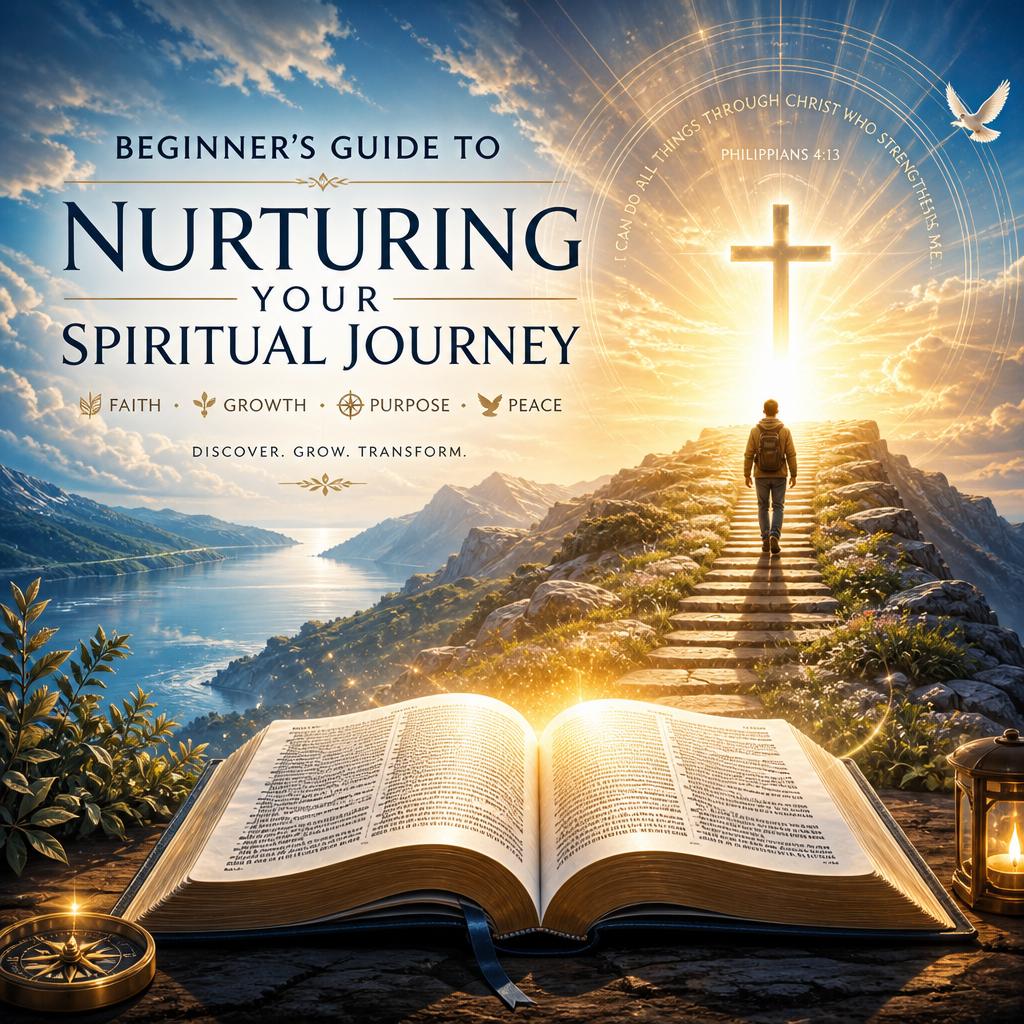
“I can do all things through Christ who strengthens me.” (Philippians 4:13)
Embracing Strength through Faith
In the tapestry of our spiritual journey, the understanding that our strength is not solely derived from our abilities but from our faith in Christ can transform our perspective. Reflecting on the profound truth expressed in Scripture, we find reassurance during moments of doubt and struggle. “For I can do everything through Christ, who gives me strength,” serves as a beacon of hope, reminding us that reliance on divine power elevates our potential beyond human limitations. Each challenge we face offers an opportunity to grow,as we lean into His promises. Consider the words found in Isaiah 40:31, which tell us, “But those who hope in the Lord will renew their strength. They will soar on wings like eagles; they will run and not grow weary, they will walk and not be faint.” When we cultivate a relationship with God, we equip ourselves with spiritual resilience that can withstand any trial.
Charting Your Path with Spiritual Practices
To nurture this divine connection and foster our inner strength, it’s crucial to engage in spiritual disciplines that draw us closer to God. Here are some essential practices to consider:
- prayer: communicate with God regularly. This strengthens your reliance on Him and invites His guidance and strength into your life.
- Scripture Reading: delve into God’s Word, allowing it to inspire and shape your thoughts and actions. Verses like Philippians 4:19 reinforce that God will supply every need according to His riches in glory.
- Fellowship: Surround yourself with a community of believers who encourage and support each other in their faith journeys.
- Service: Engage in acts of kindness and help others, which can deepen your understanding of Christ’s love and strength at work through you.
by intentionally integrating these practices into your daily life, you position yourself to experience His strength more profoundly, enabling you to tackle life’s challenges with faith and confidence.
“The Lord is close to the brokenhearted and saves those who are crushed in spirit.” (Psalm 34:18)
finding Comfort in spiritual Brokenness
In times of distress, when life feels overwhelming and the weight of sorrow seems insurmountable, it’s essential to remember that even in our darkest moments, there is hope and reassurance. The words from Scripture remind us that we are not alone in our pain.When faced with adversity, turning to God’s Word can provide not only solace but also a tangible pathway to healing. Psalm 73:26 beautifully echoes this sentiment, stating, “My flesh and my heart may fail, but God is the strength of my heart and my portion forever.” Engaging in prayerful reflection or journaling your thoughts can also be a therapeutic outlet, allowing you to process emotions and invite God’s presence into your struggles.
practical Steps Towards Healing
To nurture your spiritual journey through periods of heartache, consider implementing the following practices into your daily routine:
- Daily Devotions: Set aside time each day to read and meditate on passages of Scripture that speak to your situation. Isaiah 41:10 reassures us, “Do not fear, for I am with you; do not be dismayed, for I am your God.”
- Connect with Community: Surround yourself with fellow believers who can provide support and encouragement. Engage in small groups or church gatherings to share your journey.
- Seek Professional Help: Sometimes, the path to healing may require guidance beyond spiritual practices. Don’t hesitate to engage with counselors or therapists who align with your faith.
- Worship: Praise and worship can be powerful antidotes to despair. Singing hymns or contemporary worship songs can uplift your spirit and help you to reconnect with God.
As you embark on this spiritual journey, allow your brokenness to become a canvas for God’s artistry. 2 Corinthians 12:9 reminds us of the sufficiency of His grace, declaring, “My grace is sufficient for you, for my power is made perfect in weakness.” Embrace your vulnerabilities, knowing that they can be transformational in your relationship with God.

Theological Reflection: Consider James 1:2-4, which teaches us to “consider it pure joy, my brothers and sisters, whenever you face trials of many kinds.” This perspective reframes struggles as opportunities for growth and character development, encouraging resilience in your spiritual journey
Theological reflection
In the journey of faith, few lessons are as transformative as understanding the role of trials in our lives. James 1:2-4 encourages believers to embrace difficulties, urging us to find “pure joy” in the face of adversity. This perspective not only reframes our struggles but positions them as crucial catalysts for spiritual growth and resilience. When confronted with various challenges, we are invited to look beyond the immediate discomfort and recognize the potential for character development that lies within. As 1 Peter 1:6-7 reminds us, “In all this you greatly rejoice, though now for a little while you may have had to suffer grief in all kinds of trials.” Each trial serves as a test of our faith, purifying and refining it, much like gold is refined in fire.
Embracing a mindset that values challenges can profoundly impact one’s spiritual life.Instead of succumbing to discouragement, we can actively seek the lessons that trials bring.This could involve cultivating patience, deepening our reliance on God’s strengthor developing a more profound sense of empathy towards others. Practical steps to nurture this perspective might include keeping a gratitude journal where you reflect on what you’ve learned from each trialor engaging in prayer that openly acknowledges your struggles while also expressing trust in God’s purpose (Philippians 4:6-7). Remember, resilience does not mean the absence of pain, but rather a steadfastness that grows through it. As you navigate your spiritual journey, consider how each trial shapes you into a stronger, more compassionate follower of Christ.
The conclusion
As we draw the curtains on this exploration of nurturing your spiritual journey, remember that each step you take is uniquely yours. Just as a seed requires time, attentionand the right conditions to blossom, so too does your spirit thrive on patience, reflectionand openness to growth. This guide is merely the beginning-an invitation to delve deeper into your own beliefs, practicesand the mysteries that resonate with you.
Take what resonates, leave behind what doesn’tand always be willing to adjust your path as you evolve. Whether you find solace in nature, joy in communityor insight in solitude, trust that your journey is valid and worthy. As you venture forth, may you embrace the questions, savor the discoveriesand nurture the light within. the road ahead may be uncharted, but with each intention and practice, you are not only nurturing your own spirit; you are also contributing to the collective tapestry of human experience.
So, step boldly into your unfolding narrativeand may your spiritual journey be blessed with wonder, compassionand insight. The adventure awaits!