In a world that often feels fragmented and disconnected, the call to serve one another resonates louder than ever. At the heart of manny faith traditions lies a profound commitment to compassion, empathyand service – principles that transcend borders and bring communities together. Engaging in faith-based community service not only enriches the lives of those you help, but also deepens your own spiritual journey and fosters a sense of belonging. Whether you’re part of a well-established congregation or seeking to explore your faith through action, this guide aims to illuminate the pathways and possibilities for meaningful engagement.From understanding the underlying motivations of your faith to connecting with local initiatives that align with your values, we will explore how you can make a tangible difference in the lives of others while nurturing your own spiritual growth. join us as we embark on a journey that transforms not just the communities we serve, but also our hearts and minds in the process.
Understanding the Biblical Foundation for Service
At the heart of our faith lies a profound call to action-service to others. The Bible teaches us that serving is not merely an obligation but a reflection of Christ’s love and humility. Jesus exemplified this during the Last Supper, when he washed His disciples’ feet, illustrating that true greatness comes through servant leadership (John 13:12-15). We are reminded that “the Son of man came not to be served but to serve” (Mark 10:45,ESV). When we engage in faith-based community service, we imitate Christ, embodying His compassion and selflessness. This isn’t just about meeting physical needs but also addressing spiritual and emotional wounds that often accompany life’s challenges.
Through service,we fulfill the commandments to love our neighbors (Matthew 22:39) and to care for the least among us (Matthew 25:40). Serving others allows us to practice our faith in tangible ways, creating opportunities for connection and outreach within our communities. We can approach service as a holistic endeavor-supporting local food banks, visiting nursing homesor organizing youth programs-by incorporating acts of kindness that resonate deeply with scriptural teachings. Moreover, reflecting on Romans 12:6-8, which discusses the diversity of gifts within the body of Christ, encourages us to leverage our unique abilities to meet the needs we encounter. Joining hands with other believers amplifies our efforts, creating a vibrant tapestry of community impact rooted in God’s love.
Engaging in faith-based community service begins with a clear understanding of its biblical foundation. Scripture consistently emphasizes the importance of serving others, where the essence of faith translates into actionable love
Understanding the Biblical Foundation of Service
Scripture provides a profound foundation for understanding the meaning of serving othersand it invites believers to live out thier faith through action. Matthew 20:26-28 states, “whoever wants to become great among you must be your servantand whoever wants to be first must be your slave.” This passage not only highlights the call to serve but also redefines greatness as humility and selflessness. Recognizing Jesus as the ultimate example, who came “not to be served, but to serve” illustrates that our faith should reflect in concrete acts of love.By immersing ourselves in the Word, we learn that meaningful service transcends mere charity; it engages deeply with the needs of our communities, challenging us to embody the love of Christ in practical ways.
Practical Application of Service
Engaging in community service requires a deliberate and prayerful approach grounded in biblical teachings. One essential aspect is understanding the diverse ways one can serve. 1 Peter 4:10 encourages,“Each of you should use whatever gift you have received to serve others,as faithful stewards of God’s grace in its various forms.” To cultivate a more profound involvement, consider the following actionable steps:
- Identify your spiritual gifts and talents, seeking alignment in service opportunities that resonate.
- Establish connections with local charities or church outreach programs that reflect the biblical commitment to aid the marginalized (Isaiah 58:10).
- Participate in regular prayer and fasting as a means to prepare your heart for service and discern God’s direction.
- Encourage fellowship and collaboration among community members, recognizing the body of Christ works best when united.
Ultimately, approaching community service with this biblical outlook allows believers not only to fulfill the command to love one another but also to become tangible witnesses of faith in action.
In Galatians 5:13, we are reminded to “serve one another in love.” This call to service is not just a command but a reflection of our faith in action. Jesus himself modeled this behavior, serving his disciples and the marginalized throughout his ministry
Serving One Another: A Practical Guide
Engaging in acts of service is an embodiment of our faith, transforming that belief into tangible actions. To follow in Jesus’ footsteps, we can identify specific needs within our communities and respond with empathy and compassion. Start small; volunteering at a local food pantry or helping elderly neighbors with their groceries can spark bigger waves of kindness. In Matthew 25:35-40, Jesus states, “For I was hungry and you gave me something to eat, I was thirsty and you gave me something to drink.” Each act of service, whether big or small, is a reflection of our commitment to Christ and a testament to our faith’s living power.
Ways to serve
- Participate in Local outreach Programs: Join church-organized events that reach out to marginalized populations in your area.
- Build Community Gardens: Encourage environmental stewardship and communal bonding through better food resources.
- Tutoring and Mentoring: Offer your time to help students or young adults navigate educational challenges, reflecting God’s guidance.
As we immerse ourselves in service, remember the words of 1 John 3:18, “Dear children, let us not love with words or speech but with actions and in truth.” Each interaction is an opportunity to reflect Christ’s love,illuminating the path for others to witness His grace in action.Seek ways to engage your spiritual gifts in the service of others,as Romans 12:6-8 encourages us to use our unique abilities for the benefit of the body of Christ. Whether through teaching, hospitalityor compassionate care, let every deed resonate with the love and light of christ.
Furthermore, Matthew 25:40 declares, “Whatever you did for one of the least of these brothers and sisters of mine, you did for me.” This verse illuminates the idea that serving others is synonymous with serving Christ, urging believers to engage actively and compassionately in their communities
Understanding the Call to Serve
The powerful words from Matthew 25:40 challenge every believer to view their interactions with the marginalized and vulnerable as sacred encounters. This revelation transforms our understanding of service; it is indeed not merely a good deed but a divine mandate. When we offer tangible help-be it through feeding the hungry, comforting the lonelyor standing with the oppressed-Christ himself is present in those moments.This mindset prompts us to look beyond our immediate circles and to see each person in need as a reflection of Jesus’ love, deserving of our attention and care. As Galatians 5:13 affirms, “Serve one another humbly in love,” we are propelled to step out of our comfort zones, making room for empathy and action within our communities.
Creative Ways to Serve
- Start a Food Drive: Organize a local food drive to support community kitchens or shelters. Engaging your church or neighborhood can amplify efforts.
- Volunteer at Local Shelters: Spend time at homeless shelters or youth centers, providing not just assistance but also companionship, reflecting God’s unconditional love.
- Host Community Cleanup Days: Encourage others to engage in environmental stewardship. This not only beautifies your community but also shows a commitment to caring for God’s creation.
- Create Care Packages: Assemble and distribute care packages filled with necessities for those in need,attaching a note with a supportive Scripture like Romans 12:13,“Share with the Lord’s people who are in need. Practice hospitality.”
In these acts of service, believers not only meet immediate physical needs but also foster deeper spiritual connections. The act of serving provides opportunities for ministry and discipleship as relationships are built,giving us the chance to share the hope and love found in Christ.As we engage in these activities,we remember that every smile,every conversation,and every moment of kindness echoes the heart of Christ,guiding us to fulfill His commandment to love one another. Let us embrace our call to action with the assurance that through our service, we create seeds of faith that can blossom into transformative change within our communities.

To translate this understanding into actionable steps, consider the following:
Engaging in faith-based community service begins with the heart of service itself, rooted in Christ’s commandment to love one another. As stated in Galatians 5:13, “For you were called to freedom, brothers. Only do not use your freedom as an opportunity for the flesh, but through love serve one another.” Start by identifying the needs within your community through prayer and conversations with local leaders. Develop a plan that aligns both your church’s mission and the specific challenges in the area, whether it’s food insecurity, educationor health care. Aim to form small groups within your congregation dedicated to these initiatives, creating opportunities for fellowship and collective action while deepening relationships with those you serve.
Implementing practical steps can lead to significant impact. Organize regular outreach events focusing on specific themes such as “Serve Saturday,” where members can participate in hands-on service projects, from food drives to tutoring sessions. Utilize the talents of your church community-musicians can provide entertainment for hospital visits,while skilled tradespeople can assist with home repairs for those in need. To track progress and outcomes, consider using a simple chart like the one below to evaluate your efforts and foster accountability:
| Project | Date | Participants | Outcomes |
|---|---|---|---|
| Food Drive | March 15 | 25 | 300 meals collected |
| Tutoring program | April 10 | 10 | 5 children improved grades |
| Home Repair Outreach | May 5 | 15 | 3 families assisted |
Through regular reflection and commitment to Scripture, such as Matthew 25:40, “Truly, I say to you, as you did it to one of the least of these my brothers, you did it to me,” these efforts not only serve the community but enhance spiritual growth within your congregation. Engaging collectively in these projects fosters a deeper bond among believers and a concrete expression of faith that reflects the love of Christ in action.
Prayerfully Seek Guidance: Request God’s direction in choosing where to serve
When contemplating a place to offer your time and talents, it is essential to approach the decision with a heart open to divine guidance. Scripture reminds us in James 1:5 that if anyone lacks wisdom, they should ask God, who gives generously to all without finding fault. Begin by dedicating time in prayer, seeking clarity on where your unique skills and passions will bring the moast glory to God and impact to the community. Reflect on your spiritual gifts and consider how they align with the needs you see around you. God’s Spirit frequently enough nudges us toward opportunities aligned with His purpose for our lives, so remain attentive to those gentle prompts in your heart. Gather a small group of trusted friends to pray with you, as as stated in Matthew 18:20, “For where two or three gather in my name, there am I with them.” Together, you can share insights and feel the unified pull of the Spirit directing you toward a particular path.
Listening and discerning God’s voice may also come through the study of His Word.Spend time in the Scriptures, allowing the teachings to cultivate a demeanor of servitude and compassion. Consider the areas where Jesus served most fervently-He reached out to the marginalized, comforted the grievingand embraced those in need. Conduct a personal inventory of local needs:
- The homeless shelter seeking volunteers
- The food pantry needing assistance
- Your church’s outreach programs
Reflect on how each aligns with your heart. Open the door for God’s leading by journaling your thoughts and revelations; He may illuminate an unexpected path.In all your endeavors, remember that service is not just about fulfilling a duty but an expression of worship and love. As you make your choice, keep Proverbs 3:5-6 in mind: “Trust in the Lord with all your heart and lean not on your own understanding; in all your ways submit to himand he will make your paths straight.”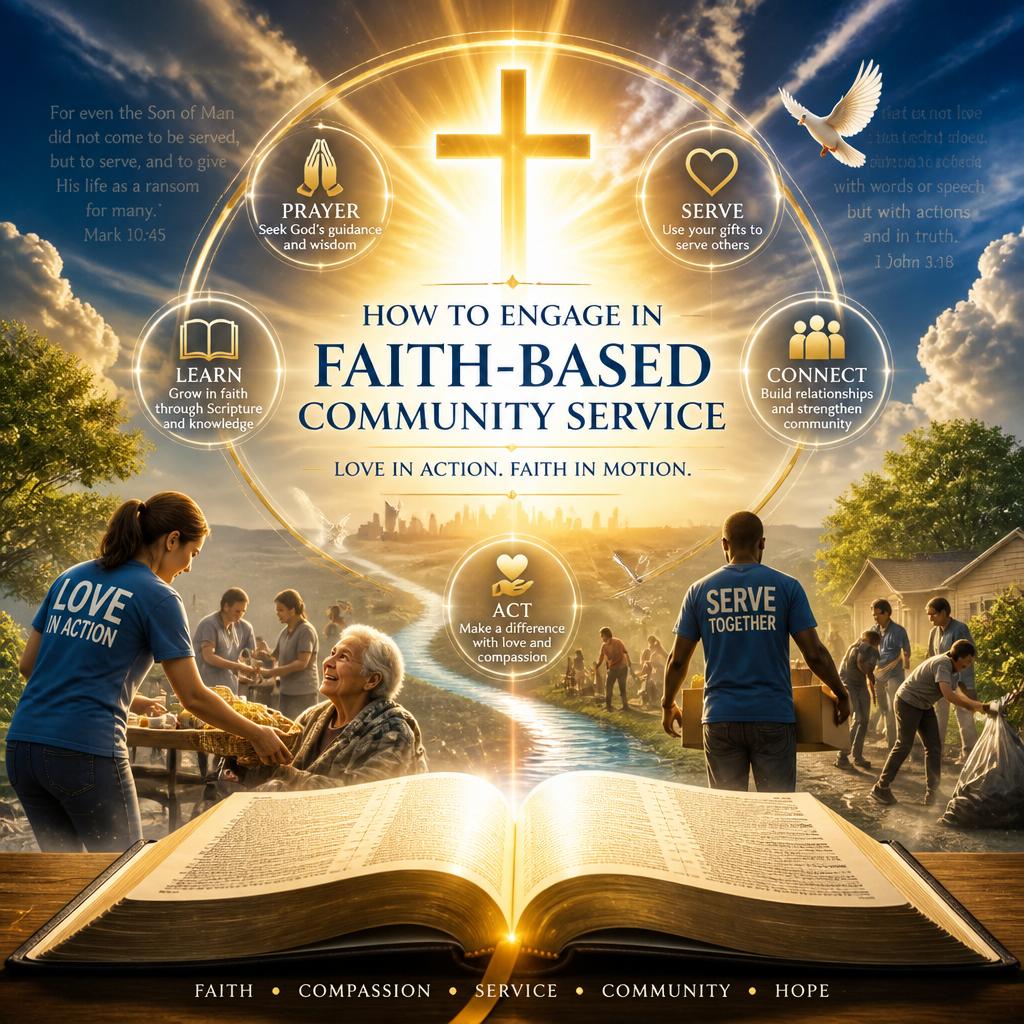
Research Local Needs: Identify community needs that resonate with your church’s mission
In the quest to serve effectively, it is imperative to listen to the heartbeat of your community. Seek to understand the unique challenges and opportunities within your local area by engaging in conversations with community leaders, social workersand residents. conducting surveys or hosting community forums can uncover specific needs that may align beautifully with your church’s mission. As Proverbs 18:15 reminds us, “The heart of the discerning acquires knowledge, for the ears of the wise seek it out.” By fostering open interaction, you can discern where the most pressing needs exist, whether it’s food security, youth mentorshipor mental health support.
Creating a vivid picture of the local landscape also involves compassionately diving into existing programs and initiatives. Collaborate with organizations that are already addressing certain needsand evaluate how your church’s strengths can fill in the gaps or enhance those efforts. For instance, you might find that a local food pantry is struggling to serve the growing number of families in need. In such casesorganize food drives or volunteer days to bolster their efforts. Reflect on Galatians 6:2,which states,“Carry each other’s burdens,and in this way you will fulfill the law of Christ.” As you align your outreach with the community’s specific needs, not only do you fulfill your mission but you also embody Christ’s love in practical and transformative ways.
- Local Needs:
- Food Insecurity
- Youth Engagement
- Mental Health Services
- Community Education
- Homeless Support
- Potential Church Responses:
- Food drives and distributions
- Mentorship programs
- Workshops on mental well-being
- Tutoring and educational support
- Shelters and outreach for homeless individuals
Connect with Local organizations: partner with established groups that align with your faith values
Connect with Local Organizations
When seeking to engage in community service that resonates with your faith,it is indeed essential to partner with established organizations that embody your values. These collaborations can amplify your impact and foster a more profound commitment to service. Consider reaching out to local food banks, sheltersor faith-based charities that are already making a difference in your community.As Proverbs 27:17 states, “Iron sharpens ironand one man sharpens another.” Working with others not only provides an opportunity for mentorship and shared wisdom but also enhances the experience of serving alongside fellow believers who share your desire to uplift those in need.Together, you can prayerfully approach and assess the specific needs within your community, allowing your service to be guided by both faith and compassion.
Additionally, many local organizations welcome volunteers for specific projects or long-term commitments. You might engage in outreach events, tutoring programsor community clean-up days. Explore partnerships with groups that support vulnerable populations,reflecting the heart of Matthew 25:40,where Jesus says,”Whatever you did for one of the least of these brothers and sisters of mine,you did for me.” By strategically aligning with organizations that serve the poor, the vulnerableand the marginalized, you affirm your faith in action and bring biblical values to life.Create a simple schedule or table of potential organizations,describing their mission,the services they offer,and volunteer opportunities. This visual portrayal can definitely help you and your faith community determine where your collective efforts can make the most significant impact.
.wp-block-table {
width: 100%;
border-collapse: collapse;
}
.wp-block-table th,
.wp-block-table td {
border: 1px solid #ccc;
padding: 8px;
text-align: left;
}
.wp-block-table th {
background-color: #f0f0f0;
}
| Association Name | Mission | Volunteer Opportunities |
|---|---|---|
| Local Food Bank | To alleviate hunger in our community | Food sorting, distribution, fundraising |
| Homeless Shelter | To provide shelter and resources for the homeless | Meal service, mentorship, donation drives |
| Community Health Clinic | To provide accessible healthcare to underserved populations | Health screenings, advocacy, outreach |
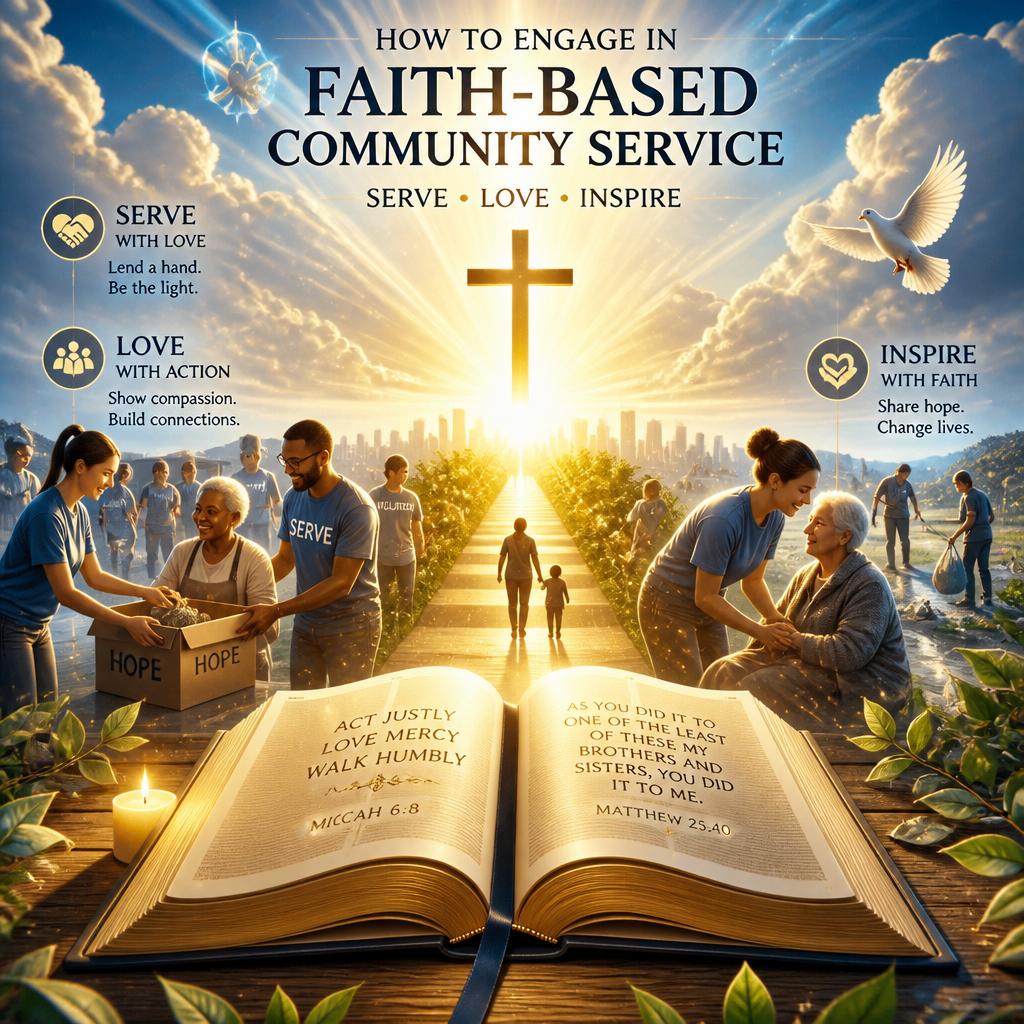
Identifying Your Gifts and Passion
Recognizing the unique talents and passions bestowed upon you can be a transformative journey in your service to others. God has woven a beautiful tapestry of abilities within each of us, as noted in Ephesians 4:11-12, where Paul mentions various roles like apostles, prophets, evangelists, pastorsand teachers, each serving the purpose of building up the body of Christ. To uncover these gifts, consider reflecting on moments in your life where you felt most alive or fulfilled. What activities ignited your enthusiasm or prompted a deep sense of joy? Wriet them down and seek prayerful discernment. engaging with trusted mentors in your faith community can also provide insights; they may recognize gifts in you that you have yet to see.
As you identify your gifts, remember that your passion is frequently enough where your heart and skills intersect with the needs of the world. Romans 12:6-8 encourages believers to use their different gifts in accordance with the grace given to them, whether that’s serving, teaching, encouragingor contributing to the needs of others. Create a list that includes both your spiritual gifts and passions – ask yourself how they can be lines of service to those around you. As a notable example, if you find joy in hospitality, consider organizing gatherings that foster community support. or, if you are gifted in teaching, perhaps volunteering in Bible study classes could be your outlet. By uniting your talents with your passions, you can engage in service that not only meets the needs of others but also fulfills your God-given potential.
| Your Gifts | Your Passions | Potential Service Opportunities |
|---|---|---|
| Teaching | Engaging young minds | Sunday school, Bible studies for youth |
| Hospitality | Fostering community | Organizing church events, community meals |
| Encouragement | Supporting those in need | Caring ministries, phone check-ins |
| Leadership | Strategic planning | leading projects, mission trips |
Once you have grounded your desire to serve in scripture, the next step is to identify your unique gifts and passions. Every believer is equipped with different talents and skills that can significantly impact their community
Identifying Your Unique Gifts and passions
Recognizing and embracing your unique gifts is a vital aspect of engaging in service that glorifies God and contributes to the well-being of your community.Each believer is endowed with specific spiritual gifts-such as teaching, hospitalityor service-that can be found in scripture, as illustrated in 1 Corinthians 12:4-7: “There are different kinds of gifts, but the same Spirit distributes them. There are different kinds of service, but the same lord.” To uncover your gifts, take time for self-reflection and prayer, asking God to reveal how you can contribute to His kingdom.Consider participating in a spiritual gifts assessment or engage with mentors in your faith community who can help discern how your skills and passions align with the needs around you.
In addition to spiritual gifts, aligning your passions with community needs creates a powerful avenue for impact. Reflect on areas that ignite your enthusiasm-be it serving the homeless, working with childrenor advocating for social justice. Evaluate the local opportunities available and consider how you might uniquely contribute. Romans 12:6-8 encourages believers to “use them accordingly,” so think creatively about how your individual interests and strengths can meet the practical needs of those around you. Engaging in service not only nurtures your soul but also fosters a deeper connection with those you serve. By stepping into roles that resonate with your heart, you reflect the love of Christ and inspire others in your community.
- Teaching: Lead a Bible study or mentoring program.
- Hospitality: Organize community meals or gatherings.
- Service: Volunteer at local shelters or food banks.
- Advocacy: Champion causes that uplift marginalized voices.
1 peter 4:10 encourages us, “Each of you should use whatever gift you have received to serve others, as faithful stewards of God’s grace in its various forms.” This verse underscores the responsibility we hold not only to discover our gifts but also to actively use them for the benefit of others
Embracing Your Unique Gifts
In exploring our God-given gifts, it’s essential to recognize that each individual’s abilities and talents play a vital role in the collective mission of service within our communities. Whether it is through a talent for teaching, an aptitude for nurturingor a knack for organizing, these gifts are opportunities to reflect God’s grace. For instance, consider Romans 12:6, which states, “We have different gifts, according to the grace given to each of us.” This verse not only affirms our distinctiveness but also invites us to be intentional in our efforts to identify and hone these gifts for the greater good. Engage in self-reflection and prayer, asking God to reveal the unique ways you can contribute. Participating in workshops, community discussionsor even mentorship programs can help you cultivate these skills and prepare you for service.
Serving Faithfully in Community
Active involvement in community service can take many forms, providing a canvas for the application of our gifts. Here are a few practical ways to engage:
- Volunteer Opportunities: join local non-profits or faith-based organizations that align with your interests. Many organizations actively seek volunteers for various roles,whether it’s mentoring youth,serving food,or organizing events.
- Start a Group Initiative: If you feel led to address a specific community need, work with fellow believers to create a service project. Galatians 6:2 reminds us, “Carry each other’s burdensand in this way you will fulfill the law of Christ.” collaborative efforts can magnify the impact of your gifts.
- Offer Spiritual Gifts: Use your spiritual gifts, as highlighted in 1 Corinthians 12, to foster community. Whether it is through prayer, prophecyor administrative skills, these gifts can enrich the body of Christ and serve those in need.
Through these actions, not only do we fulfill our call as stewards of grace, but we also mirror the love and compassion of Christ, building a stronger, more connected faith-based community.
To identify your gifts, consider the following approaches:
First, engage in prayer and self-reflection, inviting the Holy Spirit to illuminate the unique abilities and passions bestowed upon you. James 1:5 assures us, “If any of you lacks wisdom, let him ask of God, who gives to all liberally and without reproachand it will be given to him.” Take time to sit quietly, journaling your thoughts and experiences. Reflect on moments in your life when you felt particularly fulfilled or energized; these instances are often indicators of your spiritual gifts. Find a trusted mentor or spiritual leader who can provide insight into your strengths, perhaps helping you discover attributes you may overlook. Additionally, consider participating in assessments that focus on spiritual gifts. Many churches offer tools like surveys or tests that can definitely help clarify how God has designed you for service.
In tandem with introspection and assessment, actively serve within your faith community to uncover your gifts through experience. Romans 12:4-6 reminds us, “For just as we have many members in one bodyand all the members do not have the same function, so we who are many are one body in Christand individually members of one another.” Join different service projects, volunteer rolesor outreach events. As you immerse yourself in various activities,pay attention to engagements that resonate with your spirit or where you witness God working through you. Keep an open heart to feedback from others, as they may observe abilities in you that you have yet to recognize.Embrace the journey, remembering that each step in service not only enriches those you help but also deepens your understanding of your god-given purpose.
Reflect on Past Experiences: Think about activities that energized you or causes that resonate with you
Reflect on Past Experiences
As you embark on the journey of community service, it’s essential to delve into your past experiences and recognize moments that sparked joy and purpose within you. Think back to activities that made your heart race and filled you with a sense of fulfillment. Maybe it was volunteering at a local shelter, mentoring youthor simply lending a hand in church events. Each of these experiences is a thread in the fabric of your faith journey, reminiscent of Ecclesiastes 3:22, which states, “So I saw that there is nothing better for a person than to enjoy their work, because that is their lot.” Your enthusiasm in these activities often highlights where God is calling you to serve next. Reflecting on these moments can lead to insights about how your unique talents can shine in various service realms.
Moreover, consider the causes that resonate deeply within you.Is there a particular issue-like poverty, mental healthor environmental stewardship-that ignites a fire in your soul? Aligning your efforts with your passions ensures a more profound impact and sustained commitment. Scripture emphasizes the importance of our motivations, as seen in 2 Corinthians 9:7, “Each of you should give what you have decided in your heart to give, not reluctantly or under compulsion, for God loves a cheerful giver.” By identifying these causes, you not only honor God with your abilities but also demonstrate your love for others. One practical step is to create a personal mission statement that encapsulates your faith, experiencesand passions, ensuring your community service remains focused and impactful. Here’s an outline to help you craft your mission statement:
- Identify your spiritual gifts: List traits that you believe God has gifted you.
- Reflect on impactful experiences: Note specific instances where you feel you made a difference.
- Pinpoint your passions: Describe causes that align with your heart’s yearning.
- Articulate your vision: Create a concise statement that combines the above elements.
Seek Feedback: Ask friends, familyor church leaders about your strengths
it’s essential to recognize the unique gifts God has bestowed upon youand what better way to do that than by seeking the insights of those who know you best? Friends, familyand church leaders often see qualities in us that we may overlook.This is reminiscent of proverbs 27:17, which states, “Iron sharpens ironand one man sharpens another.” By inviting constructive feedback, you open a dialogue that not only enhances your self-awareness but also cultivates community. Create a space for honest conversation where you can explore your strengths, whether they lie in serving, teachingorganizingor comforting others.
As you gather feedback, consider keeping a record of these insights to help you discern ways to engage more profoundly in your service. You might begin a journalor even a simple table, to track what others say about your strengths and how they align with your passions. Reflecting on these will guide you to fulfill your calling. For instance, if many identify your gift for empathy, look for community outreach opportunities that allow you to walk alongside those in need. 1 Peter 4:10 encourages us to use our gifts in service: “As each has received a gift, use it to serve one another, as good stewards of God’s varied grace.” Embrace this process as an exciting journey of faith, allowing the feedback you receive to illuminate your path.
| Strength | Source of Feedback | Suggested Service Activity             |
|----------|-------------------|--------------------------------------|
| Empathy  | Friends           | Volunteer at a shelter offering emotional support |
| Communication | Family    | Facilitate community workshops          |
| Organization | Church Leaders | Coordinate church events and outreach   |
| Teaching  | friends         | Lead Bible study or Sunday school classes |
participate in Spiritual Gifts Assessments: Many churches offer tools to help identify your God-given gifts
Participate in Spiritual Gifts Assessments
many congregations recognize the importance of helping their members uncover the unique talents bestowed upon them by God. Engaging in spiritual gifts assessments can be a transformative experience,guiding individuals to discover how they can best serve in their faith community. These assessments frequently enough utilize scripturally based questionnaires that highlight your strengths and inclinations, facilitating a deeper understanding of your God-given abilities. Romans 12:6-8 reminds us, “We have different gifts, according to the grace given to each of us. If your gift is prophesying, then prophesy in accordance with your faith; if it is serving, then serve…” This foundational scripture encourages believers to embrace their diversity of gifts as essential components of the Church’s body,urging everyone to participate in fulfilling God’s mission.
Once you’ve completed an assessment, consider reaching out to ministry leaders who can help you navigate the avenues through which you might contribute meaningfully.Practical applications can range from teaching Sunday School to serving in local outreach programs, depending on your unique gift set. create a list of possible service opportunities that align with your spiritual gifts, such as:
- Prophecy: Join a prayer group or lead Bible studies.
- Teaching: Volunteer in children’s ministry or lead adult education classes.
- Encouragement: Be a mentor for new believers or support group leader.
- service: Participate in community service projects or help with church events.
Reflect on 1 Peter 4:10,which states,“Each of you should use whatever gift you have received to serve others,as faithful stewards of God’s grace in its various forms.” By embracing your gifts and actively engaging in service, you not only fulfill your purpose but also help cultivate a vibrant and thriving church community.
By pinpointing your gifts and aligning them with community needs, you can engage in service that is both fulfilling and impactful, ensuring your contributions are rooted in your passion
Identifying Your Unique Talents
In the vibrant tapestry of community service, recognizing your unique gifts is akin to seeking God’s purpose for your life.Each of us is endowed with specific talents-some may excel in teaching, artistryor hospitality, while others have a knack for organization or technology. The Apostle paul reminds us in 1 Corinthians 12:4-7 that “there are different kinds of gifts, but the same Spirit distributes them. To each one, the manifestation of the Spirit is given for the common good.” This verse encourages you to reflect deeply on your gifts and how they can solve real needs within your community. Consider volunteering at local shelters, leading a Bible studyor offering free educational workshops where your skills can shine.
Aligning Service with Community Needs
Engaging in meaningful service requires not just passion, but also an understanding of the pressing needs surrounding you. Take time to explore and identify the struggles faced by those in your community-be it hunger,homelessness,or educational gaps. By combining your passions with these urgent needs, your contributions can transform lives.As Proverbs 3:27 states, “Do not withhold good from those to whom it is due, when it is in your power to act.” Start with small, actionable steps: reach out to local charities, attend community meetingsor even conduct a simple survey to better comprehend your community’s needs. When your efforts are grounded in prayer and aligned with God’s will, your service will yield fruitful results that resonate with both impact and fulfillment.
| Gift/Talent | Community Need | Service Opportunity |
|---|---|---|
| Teaching | Educational Support | Tutoring at local schools or after-school programs |
| Cooking | Hunger | Preparing meals for shelters or food banks |
| Artistry | Mental Health | Leading creative workshops for stress relief |
| Organizational Skills | Disaster Relief | Coordinating community response teams |
Building Community and Partnerships
Faith-based community service thrives in the richness of collaboration, inviting individuals from diverse backgrounds to unite under a common purpose. Just as Romans 12:4-5 declares, “For as in one body we have many membersand the members do not all have the same function, so we, though many, are one body in Christ,” it is vital to recognize the unique gifts each person brings. To cultivate a thriving community, begin by establishing partnerships with local organizations, churchesand schools, thereby creating a broader network of support. Consider initiating regular interfaith dialogues and service events that encompass various communities, fostering understanding and shared mission. Make use of local community centers as venues for organizing workshops and volunteer opportunities, allowing for greater involvement and accessibility for those eager to contribute.
Moreover, actively engaging with your community calls for listening and responding to their needs. Conduct a needs assessment within your local area to identify specific issues that require intervention. Utilize the insights from this assessment to tailor outreach programs that serve practical needs like food security, healthcareand education. as echoed in Matthew 25:40, “Whatever you did for one of the least of these brothers and sisters of mine, you did for me,” such acts of service embody the heart of faith-driven initiatives. Embrace opportunities like organizing food drives, youth mentorship programsor health fairs to partner with others while simultaneously deepening your relationships with community members. Document these efforts in a community service calendar, helping track progress and inspiring others to join the momentum of service in faith.
Faith-based community service thrives in collaboration, emphasizing the importance of building relationships within and outside the church. Engaging with other believers allows for a collective approach to service, amplifying the impact
Connecting hearts and Hands in Service
When we come together as a body of believers, we reflect the truth found in 1 Corinthians 12:12: “For just as the body is one and has many membersand all the members of the body, though many, are one body, so it is with Christ.” Each individual contributes unique gifts and perspectives that can enhance our collective efforts in community service. Forming partnerships with neighboring churches and organizations allows us to pool resources, share knowledgeand widen our outreach. Consider organizing joint events, such as food drives or shelter renovations, where the strengths of various congregations can shine, uniting us in purpose and willingness to serve.
Building Lasting Relationships
Deepening relationships, both within our church communities and with other faith-based organizations, cultivates an environment of trust and collaboration that is vital for effective outreach. In Ecclesiastes 4:9-10, we read, “Two are better than one, because they have a good reward for their toil. For if they fall, one will lift up his fellow.” This principle is not only applicable to personal encouragement but also to the mission of service. By engaging with other believers, we create a network of support that is strengthened by prayer, advocacyand a shared commitment to serving those in need. Consider establishing regular meetings to exchange ideas and discuss challenges. This relational foundation not only amplifies our efforts but also embodies the very love and unity Christ calls us to demonstrate to the world.
The early church exemplified this unity in Acts 2:44-47, where believers shared all they had and served together, leading to growth in both community and faith. Therefore,forging partnerships is crucial for sustainable service initiatives
The Early Church’s Model of Unity and Growth
The early church in Acts 2:44-47 serves as a profound example of how unity among believers can foster both community and spiritual growth. The early Christians “had all things in common,” indicating a deep level of trust and commitment to one another. They shared not just their possessions, but also their time, effortsand prayers, creating an environment where everyone’s needs were met. this cooperation was not born from obligation but from a genuine desire to serve God and each other. As they gathered in homes, broke breadand worshiped together, the Lord added to their number daily. Today, this scriptural model reminds us of the importance of creating partnerships, both within and outside the church, where believers can work collaboratively toward common goals. When believers unite in purpose-whether through local outreach programs, food drivesor community clean-up initiatives-they reflect the early church’s spirit of service and love, growing both in community ties and individual faith.
Forging Partnerships for Sustainable Initiatives
To continue this biblical legacy of service,forging partnerships with local organizations,other churches,and community groups is essential. Such collaborations can enhance the impact of service initiatives, ensuring that efforts are sustainable and reach those most in need.As stressed in Ecclesiastes 4:9-10, “Two are better than one, because they have a good reward for their toil. For if they fall, one will lift up his fellow.” By pooling resources and talents, churches can tackle larger community issues, like homelessness, educationand economic empowerment, making a significant difference. Consider organizing joint events that highlight shared missions or service days where different congregations come together to serve the community-creating visible and tangible outcomes of faith in action.
To effectively build community and foster partnerships, consider these strategies:
Building authentic relationships requires intention and genuine engagement. Start by creating a welcoming space where individuals feel valued and heard; Jesus modeled this through his interactions, often taking time to connect personally with those around him (Mark 5:30-34). Organize regular fellowship activities that encourage deeper connections and practical service, such as community dinners or volunteering trips. In each gathering,encourage members to share their testimonies and experiences,as the Bible teaches that “we overcome by the blood of the Lamb and the word of our testimony” (Revelation 12:11). By fostering vulnerability and openness,trust flourishes,allowing partnerships to blossom within the faith community.
Furthermore, actively seek out collaboration with local organizations or other congregations-this reflects the unity of the body of Christ (1 Corinthians 12:12-14). Consider establishing a service project listand as a community, pray over which initiatives God is leading you to support. Utilize a table format to streamline and visualize the projects, detailing goals, partnersand timelines. This structured approach not only keeps members informed but also engages everyone’s unique gifts and skills. As you come together in faith to serve, remember that “whatever you do, work heartily, as for the Lord and not for men” (Colossians 3:23), thus uniting your efforts in love and purpose.
| Project | Partner Organization | Goal | timeline |
|---|---|---|---|
| Community Food Drive | Local Food Bank | Collect 500 pounds of food | January – March |
| Neighborhood Cleanup | City Council | Improve local park conditions | april |
| Health Fair | Community Health Center | Provide free health screenings | May |
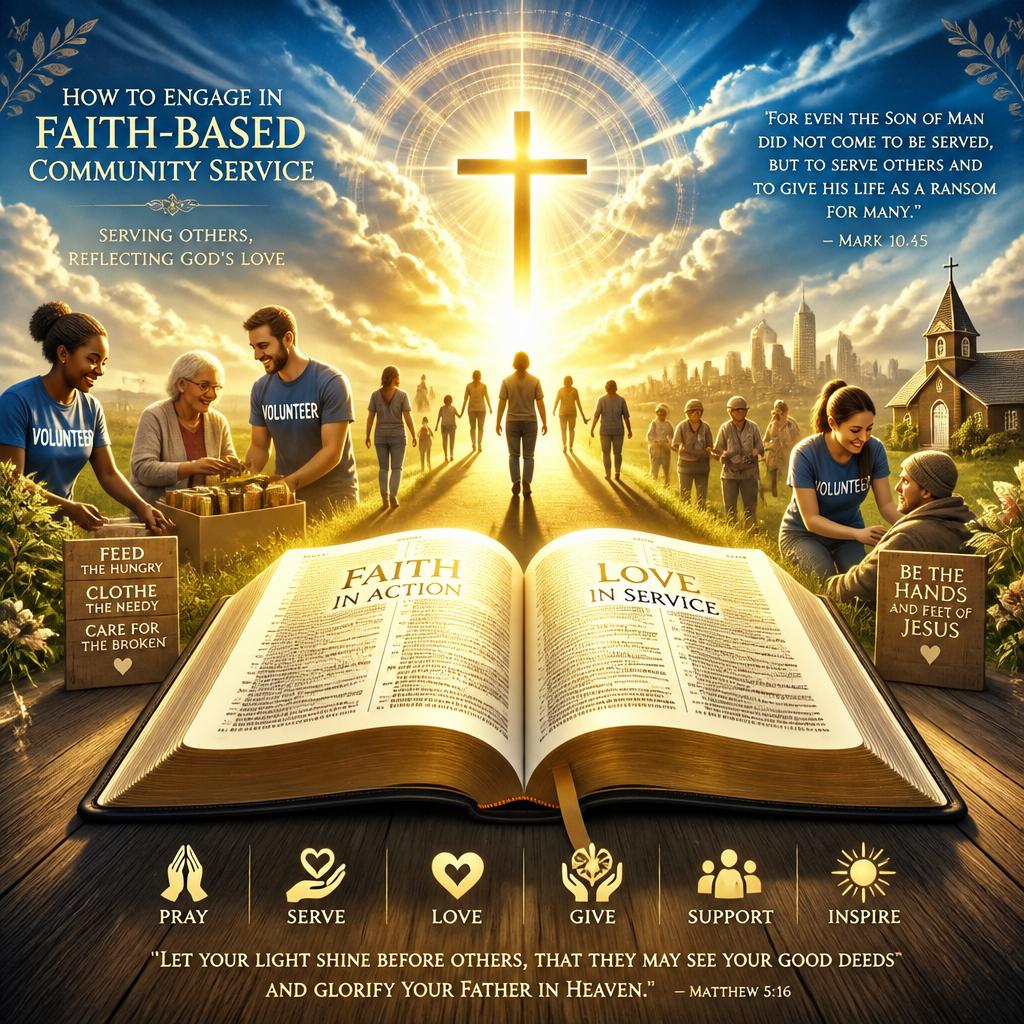
Organize Group Events: Plan volunteering days where church members can come together, fostering unity while serving the community
Embrace the Spirit of Service
By organizing regular volunteering days, faith communities have the unique opportunity to put love into action, reflecting the teachings of Jesus. Matthew 25:40 reminds us that whatever we do for the least of our brothers and sisters, we do for Him. This principle can guide your planning process. Start by identifying local needs within your community-food banks, sheltersor clean-up initiatives-creating a list of actionable opportunities. You could host an event where members can choose which service projects resonate with them, allowing individuals to connect their passions with practical outreach.This collaborative effort not only strengthens bonds among congregants but also demonstrates a unified mission to serve Christ by serving others.
Cultivating Unity Through Collective Efforts
Encouraging diverse participation in group events fosters a sense of belonging and enhances fellowship among church members. Consider organizing a “Serve Together Saturday” or “Mission Month,” where each week focuses on a different project, encouraging members of all ages to engage.It’s critically important to incorporate prayer into these plans, asking for guidance and blessings over your endeavors. Providing opportunities for testimony-sharing during these events can inspire and motivate others, as they hear how God is moving through their collective efforts. A simple format is to have breakout sessions after projects where participants can reflect on Galatians 6:2-bearing one another’s burdens-and share their experiences. By nurturing an environment of reflection and gratitude, you’ll empower church members to see service as a vital expression of their faith.
| Event Name | Date | Location | Project Type | Volunteers Needed |
|---|---|---|---|---|
| Food Bank Drive | March 15, 2024 | Community Center | Food Distribution | 15 |
| Park Clean-Up | April 22, 2024 | Central Park | Environmental Care | 20 |
| Clothing Donation Day | May 10, 2024 | Church Hall | Donation Collection | 10 |
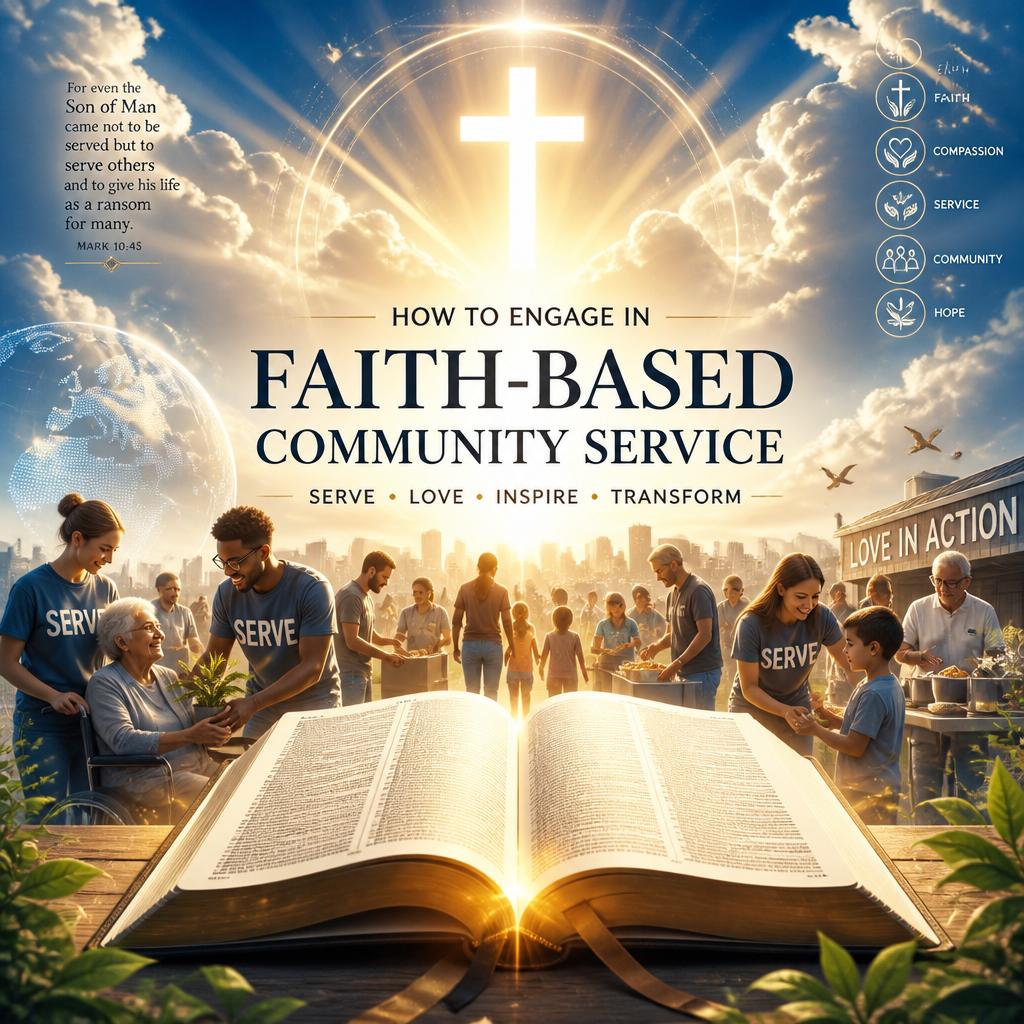
Network with Other Organizations: Connect with non-profits and community groups to create a diverse outreach plan
Network with Other Organizations
Collaborating with non-profit organizations and community groups can significantly enhance your outreach efforts.The Bible teaches us in Ecclesiastes 4:9-10 that “two are better than one,as they have a good reward for their labor.” By joining forces,your faith-based initiative can tap into the collective experience and resources of various organizations. This not only amplifies your reach but also enriches the diversity of your outreach plan. Consider reaching out to local food banks, sheltersor social justice groups to align your mission with their objectives. Attend community events and workshops where these organizations are already active, fostering relationships that lead to impactful collaborations.
Creating a diverse outreach plan means recognizing the unique strengths and perspectives that each partner brings to the table. Develop a clear understanding of your goals and how they intersect with the missions of other organizations. This invites enriching discussions and brainstorming sessions that can spark innovative ideas. As you network, pray for guidance and discernment, seeking the Lord’s direction in Proverbs 16:3: “Commit your work to the Lordand your plans will be established.” Document the various areas of collaboration in a table format to ensure clarity and organization. Here’s a simple example:
| Organization | Focus Area | Potential Collaboration |
|---|---|---|
| Local Food Bank | Hunger Relief | Food Drives and Distribution Events |
| Homeless Shelter | Housing Assistance | Service Days and Fundraising |
| Health Clinic | healthcare access | Health Fairs and Outreach Programs |
Through these connections, your outreach plan becomes not just a reflection of your organization’s goals but a tapestry woven with the hopes and dreams of the entire community, echoing the essence of Romans 12:4-5, which reminds us that “just as each of us has one body with many membersand these members do not all have the same function, so in Christ we, though many, form one bodyand each member belongs to all the others.” Together, we can further the Kingdom by embodying the love and service of Christ in our communities.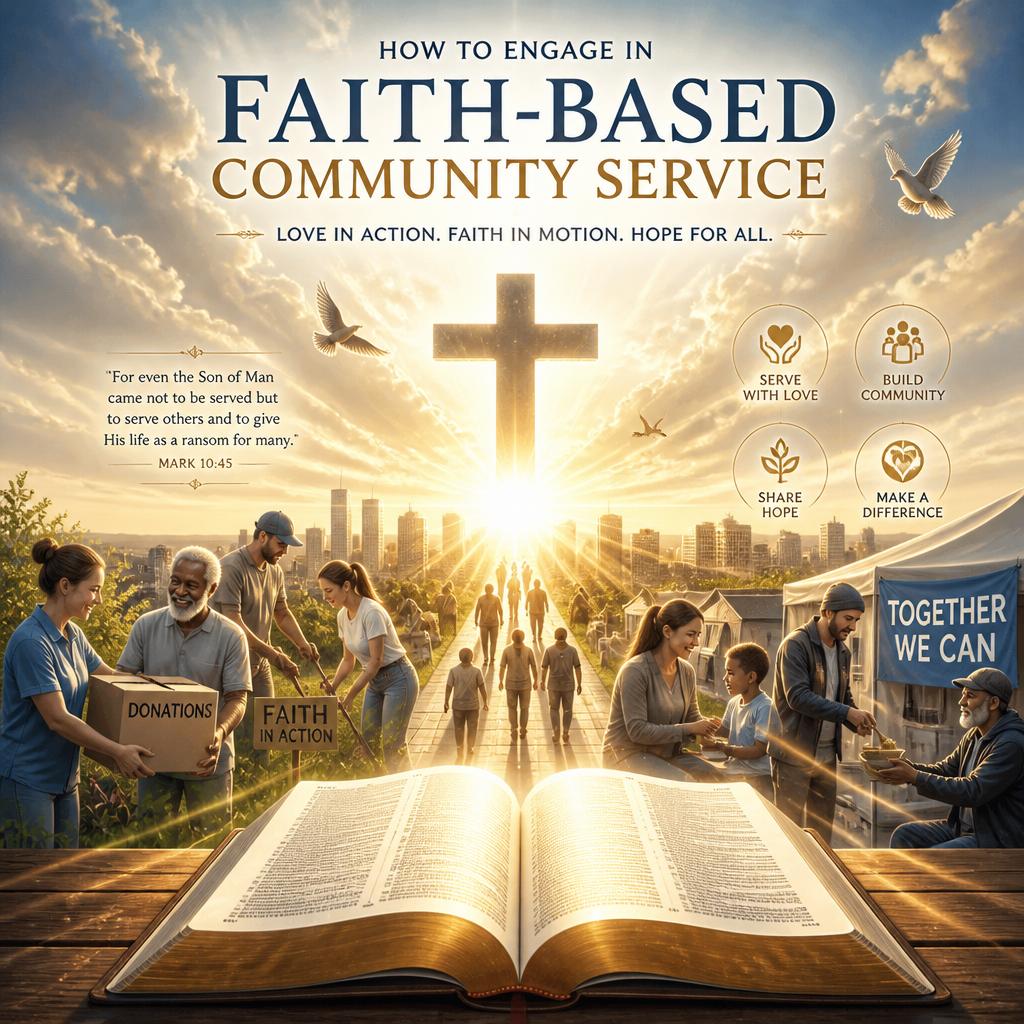
Share Resources: Pool resources with other churches or organizations to maximize the impact of service projects
Unified in Service
Pooling resources with fellow congregations and organizations is not only a strategic approach to community service but also a profound expression of faith. Together, you can amplify your impact, embodying the spirit of 1 Corinthians 12:12-27, where Paul illustrates the body of Christ made up of many parts, each playing a vital role. By collaborating on service projects, churches can combine strengths, share costsand increase outreach efforts to serve the community more effectively. Consider a joint effort in organizing a food drive; the combined collections of multiple congregations can restore dignity to many struggling families in your area.The scripture encourages us to “carry each other’s burdens” (Galatians 6:2)and pooling resources allows us to fulfill this divine command by enhancing our collective capability to help those in need.
Examples of Collaborative Projects
Engaging in joint initiatives not only broadens the scope of individual church functions but fosters unity among believers. Here are a few creative suggestions for collaborative service projects that can be undertaken with neighboring churches or local organizations:
- Community Clean-Up Days: Organize a day where all participants come together to beautify local parks and streets.
- Health Fairs: Collaborate with health professionals from different congregations to provide free health screenings and educational resources.
- Mentorship Programs: Work with other churches to establish a network of mentorship aimed at guiding youth in your community.
- Seasonal Assistance Drives: Combine efforts for back-to-school supplies or holiday meals to share resources and support for families in need.
Remember, “For where two or three gather in my name, there am I with them” (Matthew 18:20). Each initiative undertaken in partnership enriches not only the mission but also the relationships among congregations, as Jesus encouraged us to become a true reflection of His love and mercy in our communities.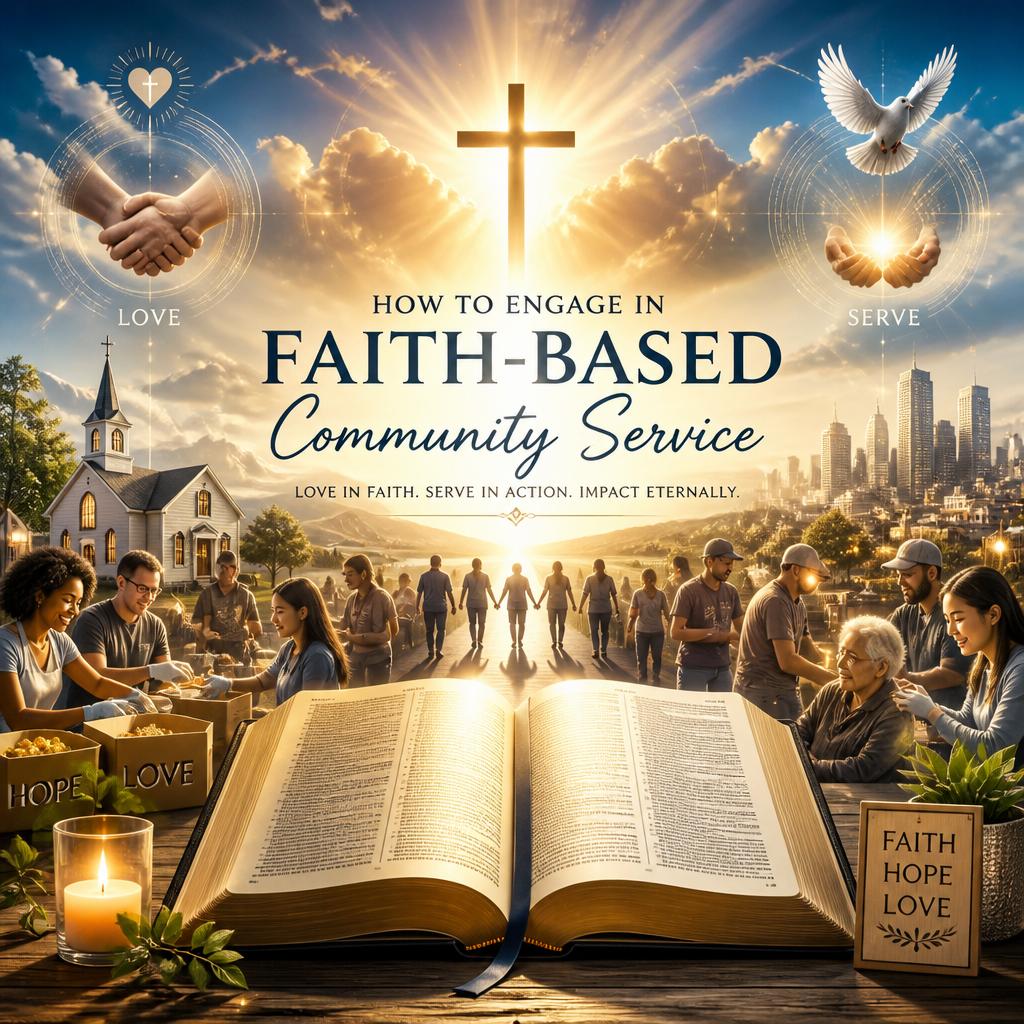
Building these connections not only enhances your ability to meet community needs but also creates a supportive network for continued growth and encouragement among believers
Building Connections Through Service
In the tapestry of a faith-based community,every thread of connection contributes to a stronger fabric of support and love.As we engage with one another in service, we embody the words of Paul in Galatians 6:2, “Carry each other’s burdensand in this way, you will fulfill the law of Christ.” By immersing ourselves in community needs-whether through food drives, mentorship programsor elder support-we not only meet the tangible needs of those around us but also cultivate deeper relationships that form a network of encouragement and strength. This connection is nourished through shared experiences, fostering an environment where individuals feel valued and empowered to pursue their faith journeys together. Joining hands in service can lead us to spring forth in love, illuminating the path for others.
- Serve Together: Plan regular group service days at local shelters or food banks.
- Create a Support System: Establish small groups to support members spiritually, sharing prayers and testimonies.
- Mentorship Programs: Pair experienced believers with newer members as a source of guidance.
As we build these bonds, we align ourselves with the community of believers described in Acts 2:44-47, where “all the believers were together and had everything in common.” The beauty of faith-based connections lies not merely in service but also in the encouragement we draw from one another. Each interaction becomes an opportunity for growth, as Proverbs 27:17 reminds us, “As iron sharpens iron, so one person sharpens another.” Incorporate regular fellowship activities such as Bible study discussions or prayer meetings, where personal stories and reflections can intertwine, offering a rich context for mutual growth. by nurturing these relationships, we create an infectious atmosphere of hope and unity that glorifies God and strengthens the wider community.
Creating Lasting Impact Through Regular Engagement
Regular engagement in community service is not merely an act of kindness; it is indeed a profound extension of one’s faith. As believers, we are called to reflect the love of Christ in tangible ways. the scripture reminds us in Galatians 5:13 that we are “called to be free,” and through love, we should serve one another. This freedom in service cultivates a culture of collaboration and compassion within our communities. Practical opportunities abound-from volunteering at local food banks to organizing clean-up drives in public parks. Each act,when fueled by faith,carries the potential to transform lives and uplift spirits,creating a ripple effect that resonates far beyond the immediate impact.
Moreover, sustained involvement strengthens relationships within the community and fosters a deeper understanding of collective needs. Matthew 5:16 encourages us to “let your light shine before others,” and regular participation in service-oriented activities positions us as beacons of hope. Engage in discussions with community leaders to assess gaps in service or propose initiatives that meet long-term needs. Instead of short-term fixes, consider forming committees focused on ongoing mentorship programs, literacy classesor health awareness workshops. By establishing a consistent framework of support, we not only enrich our own spiritual walk but also fulfill the biblical mandate to love our neighbors as ourselves, embodying the essence of our faith in action.
- Service Activity: Neighborhood Clean-Up
- Frequency: Monthly
- Impact Goal: Foster community pride and environmental stewardship
- Volunteer Opportunities: All ages welcome to participate
Lastly,to ensure that your faith-based community service creates lasting impact,it’s essential to make it a regular part of your life rather than a one-time event.Consistent engagement helps build trust and relationships within the community
Building Consistency in Service
Engaging consistently in community service magnifies the effectiveness of your efforts, akin to planting seeds in fertile soil. Galatians 6:9 reminds us, “Let us not become weary in doing good, for at the proper time we will reap a harvest if we do not give up.” Regular involvement fosters familiarity and trust, turning occasional volunteers into reliable pillars of support. As you commit to a schedule-whether it’s weekly food drives,monthly visits to a local shelter,or quarterly clean-up days-you enhance your relationships not just within your faith community,but also with those you serve. This continuity cultivates a deeper understanding of the needs and hopes of your neighbors, creating a tapestry of shared experiences and mutual respect.
Creating Lasting Impact Through Relationships
In your journey of service, focus on building meaningful relationships that extend beyond the activities themselves. Consider incorporating opportunities for genuine interaction,such as shared meals or community gatherings,which allow for conversations that can change hearts.Proverbs 27:17 says,”As iron sharpens iron,so one person sharpens another.” through regular transparency and vulnerable sharing, you not only share resources but also cultivate an environment where both givers and receivers can grow spiritually. Make a commitment to reflect on your experiences collaboratively,praying together,discussing needs,and celebrating victories.This not only strengthens individual bonds but fortifies the entire community’s resolve to uplift each other, creating a lasting legacy of service rooted in faith.
| Action Step | Frequency | Potential Impact |
|---|---|---|
| Food Drives | Monthly | Supports local families in need |
| Community Clean-Ups | quarterly | Enhances local environment and community pride |
| Visiting Shelters | Weekly | Builds relationships, offers hope to individuals |
| Prayer Meetings | Bi-Weekly | Deepens spiritual connections and mutual support |

Hebrews 10:24-25 urges believers to “consider how we may spur one another on toward love and good deeds,not giving up meeting together,as some are in the habit of doing.” This verse highlights the importance of community and regular engagement in acts of service
Embracing the community of faith
Engaging in community service is more than just a fulfilling activity; it is indeed a spiritual calling that strengthens not only our bonds with each other but also our relationship with God. When we gather with like-minded believers, we create a supportive environment where we can unleash our potential to transform our communities. The act of coming together is not merely a routine; it is indeed a divine ordinance that allows us to light the path for others through our collective efforts. As 1 Thessalonians 5:11 reminds us, “Therefore encourage one another and build each other up, just as in fact you are doing.” This reinforces our commitment to foster love and good deeds among ourselves and those around us.
Practical Steps to service
Inspired by our verses, we can implement practical ways to engage deeply in community service.Some actionable ideas include:
- Organizing regular community clean-ups to beautify local parks.
- Creating a food drive at your church to support local families in need.
- Partnering with charities that align with your faith to provide resources for vulnerable populations.
- Hosting workshops that teach valuable skills, empowering others to become self-sufficient.
By taking these steps, we embody the essence of Galatians 6:9, which instructs us, “Let us not become weary in doing good, for at the proper time we will reap a harvest if we do not give up.” Together, our efforts can forge stronger bonds while making a tangible difference in our communities, fulfilling the call to love and good deeds through active participation within the body of Christ.
To integrate service into your routine, here are some actionable strategies:
Actionable strategies for Integrating Faith-Based Service
One effective way to weave service into your life is by establishing a dedicated weekly service slot on your calendar. Make this time sacred, setting it apart for meaningful acts that enrich both you and those you serve. Just as Jesus said in Matthew 5:16, “Let your light shine before others, that they may see your good deeds and glorify your Father in heaven,” intentionally committing time will not only bolster your own faith but inspire others.Start with small, manageable tasks that resonate with your interests-whether volunteering at a local soup kitchen or tutoring children in your community. As you engage with others, reflect on Colossians 3:23, which encourages us to “work heartily, as for the Lord and not for men.” Remember, every act of service is a tangible expression of love and discipleship.
Another strategy is to connect with your local faith community to participate in group service activities. Surrounding yourself with like-minded individuals provides accountability and fosters a deeper relationship with both God and your neighbors. Create a service group within your church that meets regularly not just for projects but also for prayer and encouragement. As Ecclesiastes 4:9 states, “Two are better than one, because they have a good reward for their toil.” You can also set up a monthly service event calendar so that both your group and the broader community can engage in various outreach initiatives, spreading the message of faith while meeting tangible needs. A simple table to share your upcoming events and commitments could be immensely beneficial for both organization and inspiration.
| Date | Event | Location | Contact Person |
|---|---|---|---|
| 1st Saturday | Soup Kitchen Volunteer | Community Center | Jane Doe – 555-0123 |
| 2nd Wednesday | Prayer Walk | City park | John Smith – 555-4567 |
| 3rd Sunday | Clothing Drive | Church Hall | Mary Johnson – 555-7890 |
| 4th Tuesday | Library Tutoring | Public Library | Peter Brown – 555-3210 |
Schedule Monthly Service Days: Dedicate one day each month for service activities, maintaining a steady presence in the community
Schedule Monthly Service Days
Committing to regular service days not only strengthens our bond with the community but also brings our faith into tangible action. As the apostle Paul encourages in Galatians 6:9, “And let us not grow weary of doing good, for in due season we will reap, if we do not give up.” by establishing a monthly schedule for service activities, we create a rhythm that fosters anticipation and dedication. Each month,congregations can rally around different initiatives that address local needs,such as food drives,neighborhood clean-ups,or visiting nursing homes. These acts of service serve as a catalyst for deeper relationships and provide practical applications of Christ’s love to our neighbors, fulfilling His command in Matthew 22:39 to love our neighbor as ourselves.
Examples of Monthly Activities:
- Community Soup Kitchen Volunteer Days
- Assistance in Local Homeless Shelters
- Educational Workshops for Underprivileged Youth
- Seasonal Clothing Drives
By intentionally dedicating this time, we embody the essence of being the hands and feet of Jesus. Consider creating a collaborative calendar within your group where members can sign up for specific tasks or areas of service. This not only empowers individuals to engage but also aligns our collective efforts with the spiritual discipline found in 1 peter 4:10, which says, “As each has received a gift, use it to serve one another, as good stewards of God’s varied grace.” Each act of service, no matter how small, contributes to the tapestry of faith that weaves through our community, showcasing the transformative power of love in action.
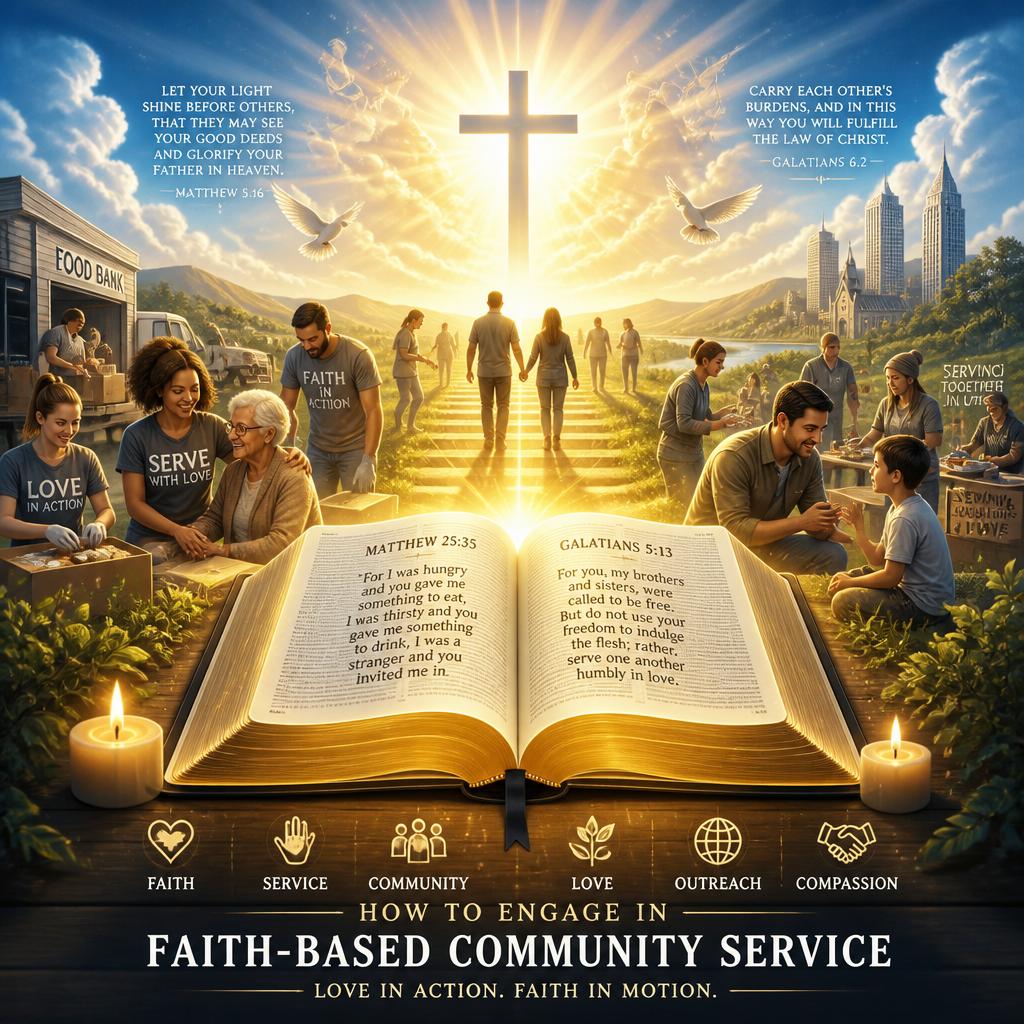
Engage with Local Challenges: Take on projects that address ongoing issues, from food insecurity to mentorship programs
Engage with Local Challenges
In our communities, challenges abound that require compassionate action and genuine involvement. addressing issues such as food insecurity not only fulfills a critical need but embodies the teachings of Christ, who urged us to feed the hungry (Matthew 25:35). Consider organizing a food drive or partnering with local food banks to create a sustainable support system for those in need. By mobilizing your faith community, you can encourage members to contribute non-perishable items or volunteer time, creating a direct impact in your neighborhood. Remember, as stated in james 2:15-17, faith without works is dead. your hands can be the hands of hope that uplift those struggling with daily sustenance.
Beyond immediate needs like hunger, there is a rich opportunity to engage with local youth through mentorship programs. By investing in young lives, you embody the spirit of Proverbs 22:6, guiding children to walk in the right path. Start by reaching out to schools and youth organizations, offering tutoring, career adviceor life skills workshops. By cultivating relationships rooted in trust and spirituality, mentors can help shape the next generation into resilient, purpose-driven individuals. As you step into these roles, remember the promise of Matthew 19:14: “Let the little children come to me.” Your engagement can pave the way for lasting change and empower youth with the guidance they so desperately need.
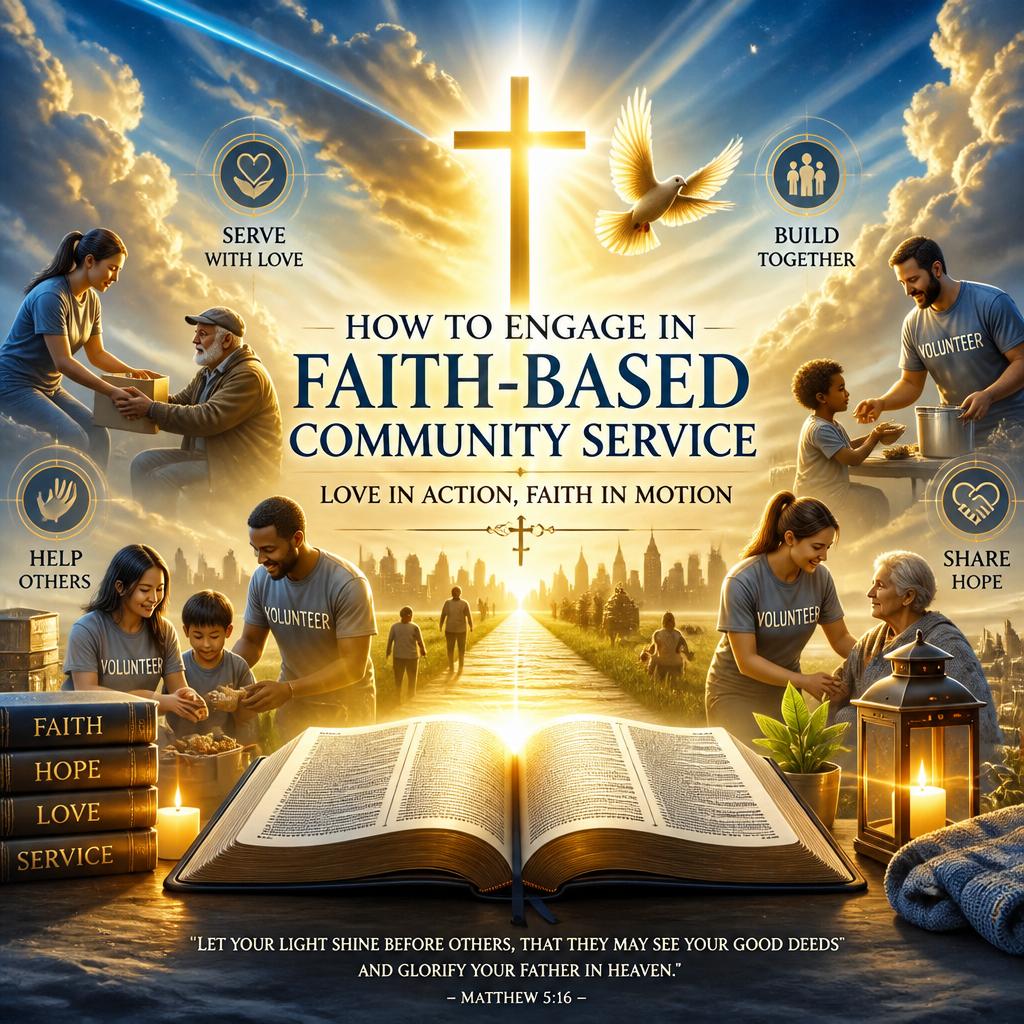
Reflect and Adjust: After each service opportunity, gather feedback and evaluate the impact to refine future efforts
Reflect and Adjust
After engaging in community service, it is indeed essential to pause and gather impactful insights from the experience. Start by inviting feedback from all participants- volunteers, beneficiariesand community leaders. This feedback loop not only enhances the service experience but also aligns with the biblical principle of seeking counsel. Proverbs 15:22 reminds us, “Plans fail for lack of counsel, but with many advisers, they succeed.” Create an anonymous survey or host a debriefing session where everyone can share their thoughts openly. Emphasize that their insights will shape future endeavors, ensuring that the church remains a responsive and loving presence in the community.
Once you have collected the feedback, take time to analyze it and understand the impact of your work. Reflect on how well the service aligned with Christ’s teachings-did it demonstrate love,compassion,and humility? Galatians 6:9 encourages us not to grow weary in doing good,reminding us that our efforts have the potential to yield a bountiful harvest if nurtured thoughtfully. Adjust your strategies based on this evaluation; whether it’s enhancing volunteer training, refining operational logisticsor expanding partnerships with local organizations, each adjustment is a step towards greater effectiveness. Consider creating a simple table to document the insights and proposed actions moving forward. This will serve as a living document to guide your community service initiatives, ensuring that each step taken reflects both faith and discernment.
| Feedback Area | Insights Gathered | Proposed Actions |
|---|---|---|
| Volunteer Training | Need for more hands-on guidance and resources. | Implement orientation sessions and resource packets. |
| Service Impact | Beneficiaries appreciated the support, but requested more follow-up. | Develop a follow-up program to check in with beneficiaries. |
| Community Partnerships | Interest in collaborating with local businesses for support. | Contact potential partners to discuss collaboration opportunities. |
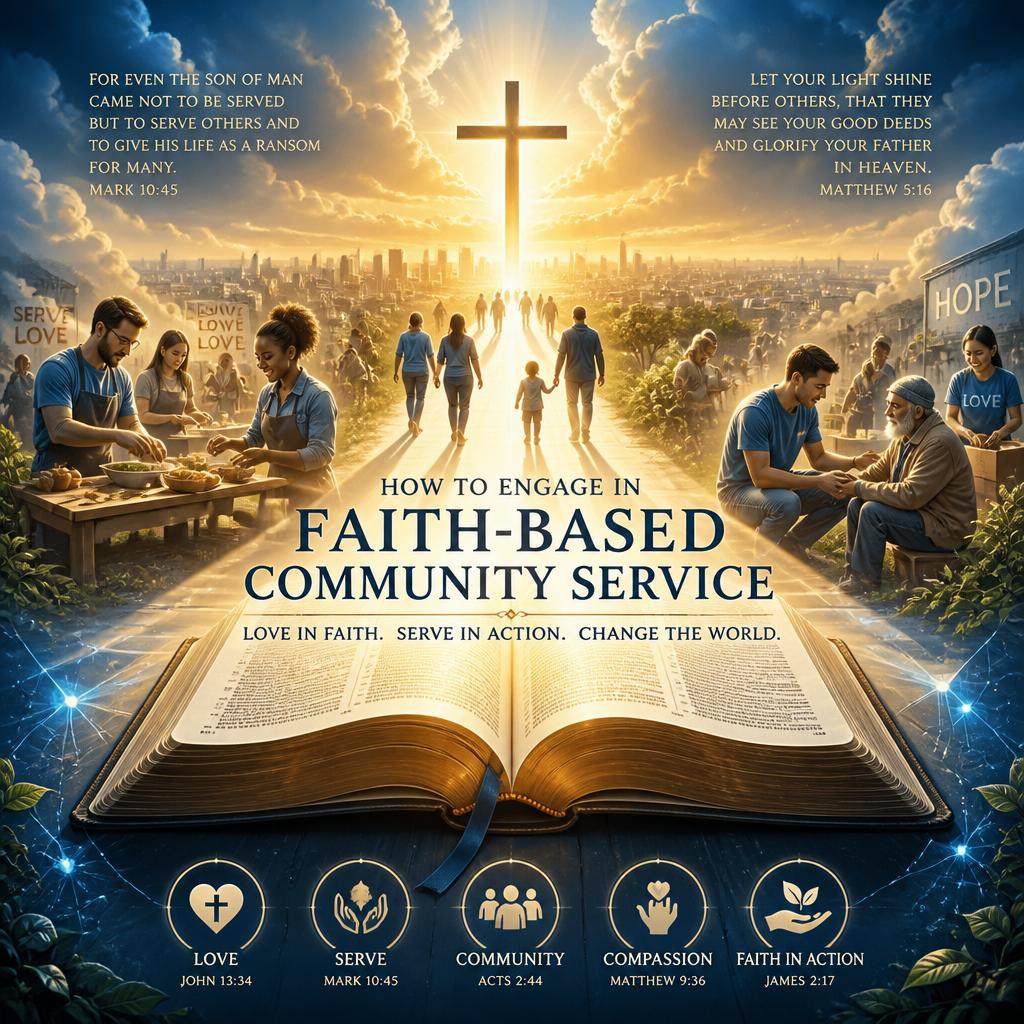
By committing to consistent efforts, your service becomes a testament to your faith and a source of hope and support to those in need, aligning with the biblical call to love and serve others in profound ways
Serve with Purpose and intent
embracing a life of service reflects the essence of our faith, revealing the heart of Christ within us. As James 2:14-17 reminds us, “What good is it, my brothers and sisters, if someone claims to have faith but has no deeds? Can such faith save them?” To engage meaningfully in community service, consider identifying local needs and dedicating your time and resources to address them. This may involve volunteering at food banks, supporting homeless sheltersor mentoring youth in your area. Each act of service is a stepping stone toward demonstrating love, mirroring God’s compassion as illustrated in 1 John 3:18, which urges us to love not merely in words but in action and truth.
Creating Lasting Impact
Consistency in service fosters deep relationships and strengthens community bonds. As you commit to regular participation in service opportunities,reflect on the words of Galatians 6:9: “Let us not become weary in doing good,for at the proper time we will reap a harvest if we do not give up.” Establish partnerships with local organizations, gathering resources and pooling efforts with fellow believers can amplify your impact. Additionally, consider integrating prayer into your service activities, seeking guidance and blessing from the Lord. Document your experiences, sharing both challenges and victories, to encourage others in their journey of faith-based service. The profound truth of Matthew 25:40 rings clear: “Truly I tell you, whatever you did for one of the least of these brothers and sisters of mine, you did for me.” Each moment spent in acts of love is an opportunity to serve Christ Himself.
To Conclude
In a world where the need for compassion and connection is more essential than ever, engaging in faith-based community service can be a powerful pathway toward personal growth and communal harmony. As you embark on this fulfilling journey, remember that every small act of kindness contributes to a larger tapestry of hope and healing.
Whether you’re lending a hand at a local shelter, mentoring youthor participating in environmental clean-ups, the impact of your actions transcends beyond immediate results, nurturing both your spirit and those you serve. Embrace the lessons learned, the relationships forgedand the shared faith that unites diverse individuals in their quest for a more just and loving world.
As you step into these opportunities with an open heart and a willing spirit, you will not only enrich the lives of others but also discover the profound joy that arises from selfless giving. So gather your community,set your intentions,and delve into the transformative power of faith-driven service. Together, let’s light the way toward change-one act of kindness at a time.