
In today’s fast-paced world, many people find themselves yearning for a deeper connection to their faith. You might be feeling that same pull, wondering how to truly study your Bible and incorporate its teachings into your everyday life. This post is crafted for you, whether you’re new to Bible study or looking to enhance your current practices. You deserve a fulfilling spiritual journey, and the Bible is a profound resource that can guide you.
If you’re someone who values personal growth and spiritual enrichment, you’re in the right place. This guide offers essential tips to study your Bible effectively, helping you nurture your faith and foster a meaningful connection with God. You’ll discover practical strategies that are simple, yet powerful, ensuring that your study time is both productive and enjoyable.
Get ready to unlock new insights and deepen your understanding of the scriptures. By the end of this post, you’ll have a toolbox of tips that make your Bible study more effective, engaging, and relevant to your life. Let’s dive right in!
Key Takeaways
– Start by choosing the right Bible for your needs to ensure understanding and engagement with the text.
– Set a regular study schedule to create a habit that fosters consistent growth in your faith journey.
– Create a cozy study environment that invites reflection, making your Bible study a pleasurable experience.
– Use study guides and resources to enhance your comprehension of challenging passages and themes.
– Join a Bible study group or online community to share insights and learn from others, making your study more interactive and enriching.
1. Choose the Right Bible for You

Finding the perfect Bible is crucial for a fulfilling study experience. With various translations available, you can select one that matches your reading style and comprehension level. For instance, the New International Version (NIV) is user-friendly, while the English Standard Version (ESV) is recognized for its precision. Selecting a translation that resonates with you will enhance your connection with the Scriptures and make your study more meaningful.Explore different editions, such as study Bibles with helpful notes or devotional versions that inspire daily reflection. Pay attention to the physical attributes too—choose a Bible that feels comfortable in your hands and has a font size that suits your vision. This is your spiritual companion, so it should be just right for you!- Visit a local bookstore or browse online for different translations.
– Look for Bibles with devotionals or commentaries for deeper insights.
– Personalize your Bible with bookmarks or notes in the margins.
Choosing the right Bible isn’t about chasing trends—it’s about what helps you hear God clearly. Find a translation that resonates with you, whether NIV for readability or ESV for precision. When your Bible fits your heart, tips to study your bible become meaningful.
📹 Related Video: How to Choose the Right Bible for YOU
2. Set a Regular Study Schedule

Establishing a consistent Bible study routine can greatly enhance your learning journey. Whether you prefer mornings or evenings, dedicating time each day to the Scriptures can help you form a habit. Creating a study schedule not only supports the development of a routine but also gives you something to look forward to each day as you reflect and connect with your faith.Block out specific time slots in your calendar for reading and prayer, even amidst your busy life. Short, focused sessions add up and can be highly effective. Pair your study time with another daily habit, like your morning coffee or evening relaxation.- Use a planner or Bible app to set reminders for your study times.
– Alternate your study approach by reading chapters, focusing on themes, or reflecting on devotionals.
– Don’t worry if you miss a day; just pick up where you left off.
3. Create a Cozy Study Environment

The atmosphere of your study space can significantly affect your focus and motivation. Designing a cozy environment with soft lighting, comfortable seating, and inspiring decor sets the stage for deep engagement with the Scriptures. Incorporate cushions, soft blankets, and perhaps some scented candles to create a warm, inviting space.Add personal touches that resonate with you—like framed verses, a prayer board, or an open journal for jotting down insights. The goal is to cultivate a sacred area where you can feel at peace and truly connect with your faith.- Dim the lights or use soft lamps to achieve a cozy glow.
– Decorate with family photos or artwork that reflects your faith journey.
– Invest in a comfortable chair that allows you to sit for long periods without discomfort.
4. Use Study Guides and Resources

Incorporating study guides can significantly enhance your understanding of Scripture. Using commentaries, devotional books, or online courses provides valuable context, historical insights, and theological perspectives that deepen your study experience.Many churches offer Bible study groups that utilize specific resources, providing a great opportunity to engage with others while exploring the Word. Seek out materials that align with your current focus, whether it’s a particular book, theme, or character study.- Look for resources highly recommended by your community or based on online reviews.
– Engage in online forums or local study groups for collaborative discussions.
– Experiment with different types of resources to keep your study exciting.
5. Take Notes and Reflect

Writing down your thoughts can significantly enhance your engagement with Scripture. Taking notes during your study allows you to highlight important verses, pose questions, and reflect on personal applications. Consider keeping a dedicated journal for your reflections to track your spiritual journey.Your notes can include observations, inquiries, personal prayers, or actionable steps inspired by your readings. Let your creativity flow! Use colorful pens, drawings, or stickers to make note-taking a joyful part of your routine.- Review your notes periodically to monitor your spiritual growth.
– Look back at previous entries to see how your understanding has changed.
– Use prompts or questions to guide your note-taking process.
You might also like


6. Pray Before and After Study

Prayer is an essential part of preparing your heart and mind for Scripture. Before you begin studying, take a moment to pray for understanding and clarity. This simple practice invites the Holy Spirit to guide your thoughts and interpretations.After your study, take a moment to reflect on what you’ve learned through prayer. Thank God for the insights and seek His guidance on applying them in your daily life. Prayer bridges the gap between reading and real-world application, turning knowledge into action.- Consider keeping a prayer journal to record your prayers and insights.
– Establish a prayer routine that fits seamlessly into your study schedule.
– Keep your prayers as simple or elaborate as you feel comfortable.
7. Join a Bible Study Group

Connecting with others can provide motivation and accountability on your Bible study journey. Joining a Bible study group enables you to share insights, ask questions, and engage in meaningful discussions that enrich your experience. Being part of a group study exposes you to diverse perspectives and interpretations of Scripture.Look for groups within your church or community, or consider starting one with friends or family. Discussing shared passages can uncover new insights and applications, making the teachings more relatable.- Set a regular meeting schedule to ensure consistency.
– Use discussion prompts to facilitate engaging conversations during meetings.
– Embrace various opinions to create a safe space for sharing.
8. Practice Application in Daily Life

Studying the Bible is about more than just knowledge; it’s about living out that knowledge. Contemplate how the teachings can influence your everyday actions, decisions, and interactions. While reading, ask yourself: How can I embody these lessons? What steps can I take to apply this in my life?Consider maintaining a list of actionable items derived from your studies. This practice not only strengthens your connection to the Scriptures but also nurtures your growth in faith and character. Sharing these applications with your study group adds an extra layer of accountability.- Create a ‘Faith in Action’ journal to track your application efforts.
– Set monthly goals for spiritual growth based on your findings.
– Regularly review your applications to assess alignment with your faith journey.
When you finish a Bible reading, write down one concrete action to try today. These tips to study your bible become steps you can live by, not just ideas you admire. Start small, track your progress, and watch your daily life reflect what you learned.
You Might Also Like


9. Engage with Online Communities
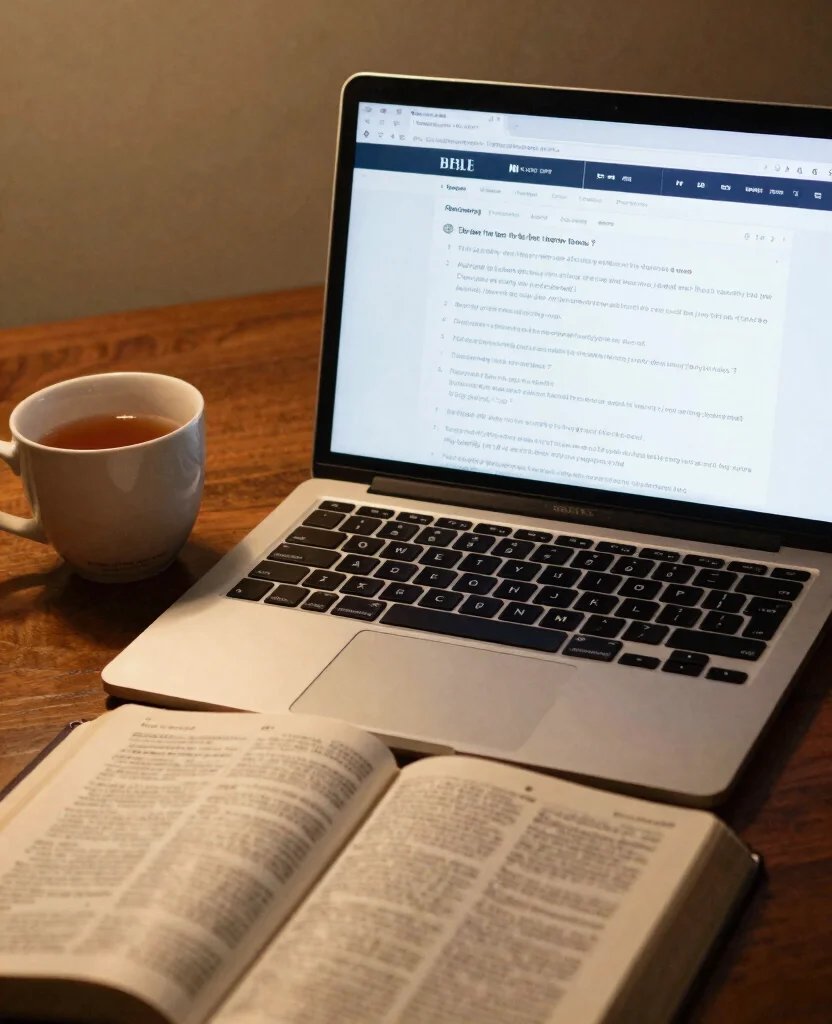
In our digital world, numerous online communities focus on Bible study and faith discussions. Engaging with these groups provides extra support, resources, and inspiration. Search for forums, social media groups, or dedicated websites where you can ask questions, share insights, and learn from others.These platforms often offer daily devotionals, video teachings, and articles to help you dive deeper into specific topics or books of the Bible. Connecting with believers worldwide can broaden your understanding and strengthen your faith.- Follow faith-centered accounts on social media for daily encouragement.
– Take part in online Bible studies or webinars for interactive learning.
– Join multiple communities to gather diverse viewpoints and insights.
How To Choose The Right Bible For You
Choosing the right Bible can feel overwhelming, but it’s a crucial step in your faith journey. With so many versions, translations, and formats available, you want to ensure your Bible resonates with you. Here are some essential tips to help you make a thoughtful choice:
1. Consider the Translation
The Bible comes in various translations, each differing in language and style. Some translations, like the New International Version (NIV), aim for readability, while the English Standard Version (ESV) strives for word-for-word accuracy. Think about what you’re comfortable with. Do you prefer a modern language or a more traditional tone? Look at a few passages in different translations to see which connects with you best.
2. Identify the Purpose
Ask yourself why you’re getting a new Bible. Are you looking for something for daily devotionals, study, or teaching? A study Bible typically includes notes and references that can deepen your understanding. If you want something portable for travel or church, a compact edition might be perfect. Clarifying your purpose will guide your selection.
3. Explore the Format
The format of the Bible can greatly impact your reading experience. Do you prefer a hardcover, paperback, or even digital version? Some people find that a physical Bible helps them focus better, while others enjoy the convenience of a Bible app on their devices. If you like to take notes, consider a wide-margin or journaling Bible that gives you space to reflect.
4. Look for Additional Features
Many Bibles come with extra features that can enhance your study. Consider if you would benefit from study guides, maps, concordances, or reading plans. These additions can provide context and help you dive deeper into the text. If you enjoy group discussions, a Bible with study questions can also be helpful.
5. Set a Budget
Bibles come at various price points, so it’s essential to determine how much you’re willing to spend. You can find beautifully bound editions for under $20 or specialized study Bibles that can cost over $100. Remember, the most important thing is finding a Bible that speaks to you, regardless of its price.
6. Seek Recommendations
Talk to friends, family, or your church community about the Bibles they use. Hearing others’ experiences can provide valuable insights. You might discover a specific translation or type that resonates with your needs. Additionally, online reviews can help you see the pros and cons of different options before you commit.
Pro Tip: Before finalizing your choice, consider visiting a local bookstore to physically handle different Bibles. Flipping through the pages and checking the print size can significantly affect your decision. Taking the time to explore can lead you to the perfect Bible for your journey!
10. Celebrate Your Progress

Acknowledging and celebrating your spiritual growth is vital in your faith journey. Whether it’s completing a book of the Bible or reaching a personal study goal, take the time to recognize your achievements. Celebrating these moments affirms how far you’ve come and inspires you to continue growing.Consider keeping a journal of milestones and reflecting on the insights and changes you’ve experienced. You might even treat yourself to something special, like a day out or a new devotional resource, to mark your progress.- Share your achievements with your Bible study group for encouragement.
– Set new goals based on your successes to maintain momentum.
– Look back at earlier entries to appreciate your evolving understanding.
Fun fact: logging three milestones a month boosts Bible study consistency by up to 40%. Celebrating progress makes your tips to study your bible feel doable and joyful, turning small wins into lasting growth. Small celebrations, big changes.
Conclusion

Embarking on a journey of Bible study can be deeply fulfilling and transformative. By implementing these tips, you can create a personal approach that nurtures your faith, encourages reflection, and invites deeper understanding. Remember, it’s not just about reading; it’s about living the lessons found within the Scriptures.
Engaging consistently, seeking community, and applying what you learn can ignite a vibrant connection to your faith and the Word. Embrace the journey ahead, and allow your study to become a source of strength and joy.
Frequently Asked Questions
What are the essential steps for effective Bible study to deepen my faith?
Starting with a plan can transform your study. Here are practical steps you can start today:
1) Choose a passage or book and set a timer for 15–20 minutes. 2) Read slowly, noting context, key words, and questions. 3) Use an inductive approach: Observe, Interpret, Apply. 4) Journal insights and prayers, and pick one verse to memorize. 5) Apply it in daily life and reflect on the change. If you’re looking for a simple framework, these tips to study your bible can guide your practice.
Don’t forget to pray for understanding and invite God to illuminate the text as you read.
How can I create a practical Bible study routine that fits a busy schedule?
You can study effectively even on a tight schedule by building a small, consistent routine. Try 15 minutes in the morning or during a commute, 3–4 days a week. Use a simple plan: read a short passage, observe, interpret, apply, and jot one takeaway. Keep a verse memorization goal and a quick prayer. These tips to study your bible help you stay consistent even on busy days.
Pair your study with a daily devotion or audio Bible when you’re on the go to keep the habit alive.
What study methods help me understand Scripture deeper without getting overwhelmed?
To go deeper without feeling overwhelmed, pick a single passage and a clear method. Try the Inductive Bible Study method: 1) Observe what the text says, 2) Interpret what it means in its context, 3) Apply it to your life today. Use cross-references and a trusted study Bible to check context, never rush interpretation. Keep notes and a running list of questions to revisit. If you’re after practical momentum, these tips to study your bible can help you stay focused and faithful.
Remember, growth comes from steady, thoughtful practice, not rushing through verses.
How can I incorporate prayer and devotion to deepen my connection while studying the Bible?
Prayer and devotion amplify your time in Scripture. Start and end your study with a short prayer asking for understanding. Try a simple framework like ACTS (Adoration, Confession, Thanksgiving, Supplication) or PACE (Pause, Acquire, Connect, Examine) to frame your time. Journal any prompts, verses, or insights and consider how to live them out that day. Consistency matters more than perfection, and these tips to study your bible can keep you moving forward.
Invite the Holy Spirit to guide your reflections as you apply the Word.
How can I stay motivated and share what I learn in my Bible study journey?
Motivation grows with accountability and visible progress. Find a study buddy or small group and share your insights weekly. Set realistic goals (e.g., one chapter or one verse key takeaway) and celebrate small wins. Consider posting a short reflection or verse on a note, a journal, or a blog to reinforce learning. Use reminders or habit-tracking, and remember that growth comes from steady practice, not haste. These tips to study your bible can keep you inspired and steady in your journey.
Celebrate the ways God is shaping your life as you learn.
Related Topics
Bible study tips
faith development
devotional practices
beginner friendly
scripture meditation
spiritual growth
easy Bible study
daily devotionals
Christian resources
deepening faith
effective study techniques
personal Bible study