
Transforming your Bible study can be a game changer for your spiritual growth. Many people crave a deeper connection with their faith, yet feel unsure how to dive into the scriptures meaningfully. That’s why I created this guide—because I believe everyone deserves to experience the profound insights and joy that come from dedicated Bible study.
If this sounds like you—someone who wants to enrich their understanding of scripture and draw closer to God—this post is just for you. Whether you’re a seasoned Bible reader or just starting your journey, you’ll find these tips helpful. They will not only enhance your study sessions but also foster a richer, more fulfilling relationship with your faith.
In this guide, I’ve compiled essential tips for Bible study that are practical, straightforward, and perfect for your spiritual journey. You’ll discover how to create a dedicated study space, engage with the text, use helpful resources, and much more. With these ideas, you’ll feel more equipped to explore the depths of the Bible and apply its teachings to your life.
Key Takeaways
– Create a Dedicated Study Space: Designate a quiet area where you can focus solely on your Bible study, free from distractions. This helps set the tone and intention for your sessions.
– Set a Consistent Study Schedule: Establish a regular time for your Bible study. Consistency builds habit and creates an opportunity for deeper engagement over time.
– Engage with the Text: Read actively by asking questions and seeking connections. This approach encourages a more personal interaction with the scripture and its messages.
– Use Study Tools and Resources: Enhance your study with resources like commentaries, apps, or study guides that provide context and insights to the passages you read.
– Reflect and Meditate: Take time to reflect on what you’ve learned. Meditation can help internalize the messages and illuminate how they apply to your life.
1. Create a Dedicated Study Space

Designing your own special spot for Bible study can greatly enhance your experience. This personal retreat should be free from distractions and filled with elements that inspire peace and focus. Picture a comfy chair, soft cushions, good lighting, and a small table for your materials. You might even consider adding personal touches like faith-inspired artwork, soothing candles, or a small plant to enliven the atmosphere.
A well-thought-out environment can improve your concentration and deepen your connection to the Scriptures. By crafting a serene study space, you signal to your mind and spirit that it’s time to engage deeply with God’s Word. It serves as your personal sanctuary for spiritual exploration.
Steps to create your space:
– Choose a cozy, bright corner for your study.
– Add cushions and blankets for comfort.
– Organize your Bible and materials in that area.
– Decorate with items that reflect your faith.
Studying in a space that feels uniquely yours can make a significant difference in your spiritual journey.
2. Set a Consistent Study Schedule

Establishing a set time for Bible study is essential for building a lasting habit. Just like any other important commitment, regularity leads to familiarity and a deeper understanding of the Scriptures. Treat this time as a sacred appointment with God, prioritizing it over distractions.
Think about your daily schedule and find a consistent 20-30 minute slot that works for you. Early mornings or quiet evenings are often perfect for uninterrupted reflection. This routine not only helps you retain what you’ve read but also allows God’s Word to settle in your heart over time.
Tips for setting a schedule:
– Pick a specific time each day or week to study.
– Use a planner or calendar for reminders.
– Pair your study time with a comforting ritual, like enjoying coffee or tea.
– Focus solely on your study; avoid multitasking.
Creating this structure can lead to significant spiritual growth as you take time to meditate on the Scriptures.
Consistency is the secret sauce for tips for bible study. When I guard a 20–30 minute daily slot, Bible study stops feeling rushed and becomes a quiet conversation with God that actually sticks.
3. Engage with the Text

Reading the Bible should be an active, engaging experience. To enhance your understanding and retention, ask questions, draw connections, and consider writing notes in the margins of your Bible or a separate notebook.
Implementing the SOAP method (Scripture, Observation, Application, Prayer) can help structure your study. Jot down what each passage means to you and how you can apply it in your life. This turns reading into a conversation, breathing life into the Scriptures.
Engagement strategies:
– Ask questions like: What is the key message?
– Highlight verses that resonate with your heart.
– Use a journal for your thoughts and insights.
– Pray over your reading for clarity and understanding.
Diving into the text this way transforms the Bible into a living guide for your life.
4. Use Study Tools and Resources

To enrich your Bible study experience, consider using various tools and resources. These can provide valuable insights into historical contexts, cultural backgrounds, and different interpretations of the Scriptures. Items like commentaries, devotionals, and Bible apps can be incredibly useful.
A quality study Bible often includes notes, cross-references, and maps that clarify passages. Devotionals can offer daily reflections that connect with your readings, making them more applicable to your life. Online resources, such as Bible study groups or forums, can also provide new perspectives.
Resource suggestions:
– Invest in a comprehensive study Bible.
– Explore online tools and apps like YouVersion or Bible Gateway.
– Join a local or online Bible study group.
– Read trusted authors’ commentaries or devotionals.
Incorporating these resources into your study will deepen your understanding and keep your engagement fresh.
5. Reflect and Meditate

Taking time to reflect and meditate on Scripture is vital for spiritual growth. After reading, pause for a moment to quietly consider what you’ve learned. This practice allows God’s Word to resonate deeper within you, turning knowledge into wisdom.
Visualizing the scenes in the Bible, feeling the characters’ emotions, and relating them to your life can make the text more relevant. Journaling your reflections can also create a meaningful record of your spiritual journey.
Ways to reflect:
– Sit in silence for a few minutes after reading.
– Journal your thoughts and feelings regarding the text.
– Pray for understanding and application of the Scriptures.
– Think about how the reading relates to your personal experiences.
This practice strengthens your relationship with God and deepens your understanding of His Word.
You might also like


6. Join a Bible Study Group

Participating in a Bible study group can greatly enrich your study experience. Engaging with others not only opens up discussions but also brings new perspectives that deepen your understanding of the Scriptures. Additionally, it offers accountability and encouragement along your faith journey.
In a group, you can discuss interpretations, share insights, and support one another in prayer. This communal aspect makes studying the Bible feel more enriching and less isolating. You might find that others can clarify passages or share experiences that resonate with your own.
Benefits of group study:
– Gain multiple viewpoints on Scripture.
– Build supportive connections with fellow believers.
– Encourage each other in your study habits.
– Experience growth through shared discussions and prayer.
Consider reaching out to your church or local community to find a group that aligns with your schedule.
📹 Related Video: How To Host Bible Study With Your Friends
7. Pray Before and After Your Study

Incorporating prayer into your Bible study is a powerful practice. Starting and ending your study with prayer invites God into your time, helping you focus and understand better. It prepares your heart and mind to receive wisdom from the Scriptures.
Before diving in, ask for clarity and an open heart to absorb what God wants to reveal. After your study, take a moment to express gratitude for the insights you’ve gained and seek further understanding.
Prayer tips:
– Begin with a moment of silence to center yourself.
– Ask specific questions about your reading.
– Thank God for His Word and the insights received.
– Keep a prayer journal to track requests and answers.
This practice enriches your engagement with the Scriptures and deepens your spiritual journey.
Did you know? Starting and ending your study with prayer can boost retention by up to 30% for insights you actually apply. Begin with a request for clarity, close with gratitude, and watch your tips for bible study deepen.
8. Apply What You Learn

Grasping the Bible is just the beginning; implementing its teachings in your life is where true spiritual growth occurs. Take time to reflect on how the Scriptures challenge you or inspire action. Whether through service, kindness, or personal change, find ways to embody the lessons you learn.
Keeping a journal of practical applications can solidify these lessons. Write specific actions you can take based on your readings and set achievable goals to incorporate them into your daily life. The aim is not just to learn but to grow and transform.
Application suggestions:
– List specific actions based on the passages you read.
– Share insights with friends or family for accountability.
– Volunteer or serve others as a response to your learnings.
– Regularly reflect on the changes you see in yourself.
Living out your faith through these applications will enrich your spiritual journey and bring you deeper joy.
You Might Also Like


9. Take Notes During Your Study
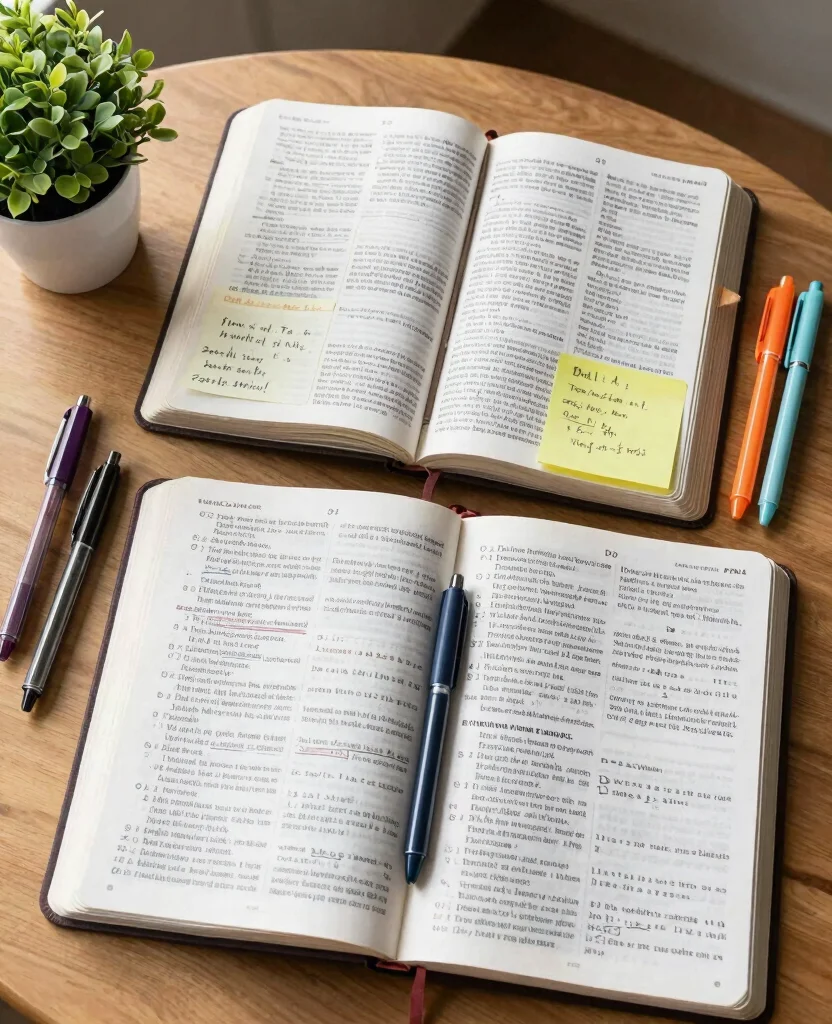
Taking notes while studying the Bible can significantly boost your retention and comprehension. Writing down thoughts, key verses, and insights creates a personal resource to revisit later. This active engagement reinforces what you’ve read in your memory.
You can use a notebook or even jot notes in the margins of your Bible. Drawing symbols or mapping connections between passages can also enhance your understanding. The act of writing makes the Scriptures more memorable and meaningful.
Effective note-taking strategies:
– Use different colors for various themes or topics.
– Summarize chapters in your own words.
– Create mind maps to visualize connections.
– Review your notes regularly to reinforce learning.
These practices not only help you remember but also allow you to track your growth over time.
How To Use Your Bible for Deeper Study
Tools You’ll Need:
– A journal or notebook
– Pens or highlighters
– Bible study guide or commentary
– Quiet space for reflection
– A reliable Bible (physical or digital)
Step 1: Create a Dedicated Study Space
Find a spot where you can focus without distractions. This could be a corner of your room or a cozy chair in your living room. Make sure it’s well-lit and comfortable. You want a space that feels inviting and peaceful so you can dive into your study time. ✔ Keep this area tidy and free of clutter to help you concentrate.
Step 2: Set a Consistent Study Schedule
Choose specific days and times for your Bible study. Consistency helps build a habit. Decide if you want to study daily, a few times a week, or weekly. ✔ Stick to your schedule as much as possible. This way, your time with the Bible becomes something to look forward to rather than an afterthought.
Step 3: Engage with the Text
When reading, take your time. Don’t rush through the verses. Try to visualize the scene or the message being conveyed. Ask yourself questions about what you read. ✔ Write down your thoughts in your journal. Highlight key verses that speak to you. This active engagement will deepen your understanding.
Step 4: Use Study Tools and Resources
Enhance your study with tools like Bible dictionaries, commentaries, and online resources. A Bible study guide can provide context and background for what you’re reading. ✔ You can also use apps for daily devotionals or study plans that keep you on track. These tools can help clarify complex passages and give you a broader understanding.
Step 5: Reflect and Meditate
After reading, take a moment to reflect. Think about how the message applies to your life. You could spend a few minutes in silence, asking God to help you understand. ✔ Journaling your reflections can solidify these insights. Consider writing down how you plan to apply the lessons learned in your daily life.
Step 6: Join a Bible Study Group
Connecting with others can enrich your understanding. Join a local church group or an online community. Discussing the Bible with others allows for different perspectives. ✔ These conversations can inspire and challenge you in your spiritual walk. Being part of a group gives you accountability and support.
Step 7: Pray Before and After Your Study
Start and end your study time with prayer. Invite God to guide your understanding and help you apply the lessons to your life. ✔ This practice centers your focus and prepares your heart to receive His wisdom.
Step 8: Apply What You Learn
Take the lessons you’ve learned during your study and put them into action. This could mean changing a habit, serving others, or simply sharing what you’ve learned. ✔ The goal of studying the Bible is not just knowledge but transformation.
Step 9: Take Notes During Your Study
Keep your journal handy while you study. Jot down thoughts, questions, or revelations. This gives you a resource to revisit later. ✔ Notes can also help track your spiritual growth over time and provide insights into how your understanding has deepened.
Step 10: Embrace the Journey
Understand that spiritual growth is a lifelong journey. Be patient with yourself and enjoy the process. Each study session adds to your understanding and relationship with God. ✔ Celebrate small milestones along the way, like completing a book of the Bible or understanding a challenging passage.
Pro Tip: Keep your Bible and journal with you, so you can study anywhere! Whether you’re waiting in line or enjoying a quiet moment at home, you can always dive into the Word.
10. Embrace the Journey

Remember, transforming your Bible study is a journey, not a destination. Enjoy the process, embrace the challenges, and allow your relationship with God to develop naturally. Spiritual growth takes time; it requires patience, reflection, and perseverance.
Celebrate your progress, even the small achievements. Every moment spent in God’s Word is a chance for growth and connection. Allow yourself grace as you navigate through the ups and downs of understanding and applying the Scriptures.
Embrace your journey by:
– Reflecting on your progress along the way.
– Sharing your experiences with others.
– Trusting in God’s timing for your growth.
– Staying open to new insights and revelations.
This attitude fosters sustainable habits that deepen your faith and encourage a lifelong love for Scripture.
Fun fact: It can take about 66 days to form a habit, so steady tips for bible study turn practice into a lasting routine. Embrace each small milestone, celebrate progress, and trust that patience grows your relationship with God along the journey.
Conclusion

Transforming your Bible study doesn’t have to be overwhelming. By incorporating these essential tips, you can create an enriching experience that fosters deeper spiritual growth and understanding. Remember, it’s about the journey, not just the destination.
As you dive into the Word with intention and purpose, you’ll find yourself discovering treasures of wisdom that can impact your life in profound ways. Embrace these practices, and allow your heart and mind to be transformed as you engage with God’s message.
Frequently Asked Questions
What are practical tips for bible study to deepen spiritual growth?
Start with a simple, repeatable routine that fits your schedule. Pick a daily time and a manageable portion, like a chapter or 10-15 verses.
Use a structured method like SOAP (Scripture, Observation, Application, Prayer) to guide your notes.
Observe the text, ask honest questions, and note a concrete application you can practice today.
Close with a short prayer for understanding and strength to live out what you learned, and keep a small journal or notes for weekly reflection. These practical tips for bible study can help you stay consistent and growing.
How can I create a simple, actionable bible study routine that fosters deeper devotion?
Keep it small and consistent. Start with 15-20 minutes, 3-5 days a week, and use a short reading plan that you can finish without feeling overwhelmed.
Choose a practical method for note-taking—like a journal, a digital notes app, or highlighting in a study Bible—so you can capture insights easily.
Ask yourself one or two application questions each session (What does this mean for my life this week? Who could I share this with?).
Review your progress monthly and adjust the routine to fit your schedule. These are practical tips for bible study you can implement right away.
What techniques help study the Bible with better context (history, genre, cross-references)?
Start with the basics: understand the historical setting, literary genre, and the original audience. Use a reliable study Bible or reputable commentaries to pull in background notes before you interpret verses.
Make cross-references a habit—check related passages to see themes and contrasts across books.
Annotate thoughtfully: note the key terms, questions, and how the passage connects to your life and to God’s larger story.
Finish with a quick summary in your own words to cement understanding and invite deeper spiritual growth.
How can I incorporate prayer, journaling, and reflection into my bible study to maximize growth?
Begin your session with a short prayer inviting the Holy Spirit to guide your reading and understanding.
As you read, jot observations and questions, then write a personal journaling entry to capture insights and life applications.
Close with a reflection: what will you change this week based on what you learned, and who can you share it with for accountability?
Set a regular time for review and prayer to track changes in your heart and habits.
What tools or resources help beginners start with tips for bible study and stay consistent?
Starting strong means choosing tools that fit your style: a reliable translation you enjoy, a simple reading plan, and a lightweight journal or note app for quick observations.
Consider a study Bible or reputable commentaries for context, plus a weekly devotional or group study to keep you motivated.
Find an accountability partner or a small group who can encourage you and offer feedback, and keep a straightforward checklist to build consistency.
Remember, the goal is steady progress, not perfection, on your journey of tips for bible study and deeper spiritual growth.
Related Topics
bible study tips
spiritual growth
devotional practices
beginner friendly
deep study techniques
scripture meditation
group study resources
faith journaling
advanced bible study
daily devotionals