
In today’s fast-paced world, many of us are craving a deeper connection with our faith. Bible journaling offers a unique avenue to explore your spirituality, allowing for reflection and creativity. This post was inspired by the desire to help you unlock that deeper faith through practical tips and effective study methods. Whether you’re a seasoned Bible journaler or just starting, these insights will enhance your experience and deepen your understanding of Scripture.
If you’re someone who wants to make your Bible study more personal and meaningful, this guide is for you. You might be looking for ways to connect your thoughts and feelings to the Word of God or simply seeking inspiration for your journaling practice. Whatever your motivation, you’ll find valuable tips that will help you engage with your faith in a more profound way.
Within this post, you will discover essential Bible journaling tips and study methods designed to enrich your spiritual journey. From choosing the right journal to exploring creative techniques, I’ve gathered practical advice that is approachable, relatable, and sure to inspire. As you read on, you’ll find yourself equipped to build a journaling habit that not only brings clarity and focus but also celebrates your growth in faith.
Key Takeaways
– Choosing the Right Journal: Find a journal that resonates with your personal style and spiritual goals to enhance your journaling experience.
– Start with a Prayerful Heart: Begin each session with prayer to invite guidance and set the tone for deeper reflection on Scripture.
– Explore Different Journaling Techniques: Experiment with various methods, such as art journaling or note-taking, to discover what best helps you engage with the Bible.
– Use Color and Creativity: Incorporate colors, drawings, and other creative elements to make your journaling more engaging and visually appealing.
– Celebrate Your Growth: Regularly review your entries to recognize your spiritual progress and stay motivated on your faith journey.
1. Choose the Right Journal for Your Spiritual Journey

Finding the ideal journal is your first step toward a fulfilling Bible journaling journey. This journal will serve as your sacred space for reflection, clarity, and spiritual growth. Whether you lean towards a classic leather-bound option or a vibrant, artistic design, ensure it aligns with your personality and inspires you. Look for a journal that offers enough space for writing, doodling, or drawing your thoughts and prayers.
Think about these factors when selecting your journal:
– Size: A larger journal allows for more creative expression, while a compact version is perfect for inspiration on the go.
– Paper Quality: If you enjoy using ink pens or watercolors, choose thicker paper that can handle various mediums without bleeding.
– Layout: Some journals feature pre-printed sections for prayers and scriptures, which can be especially helpful for beginners.
Choosing a journal that feels right will motivate you to engage more deeply with God’s Word.
2. Start with a Prayerful Heart
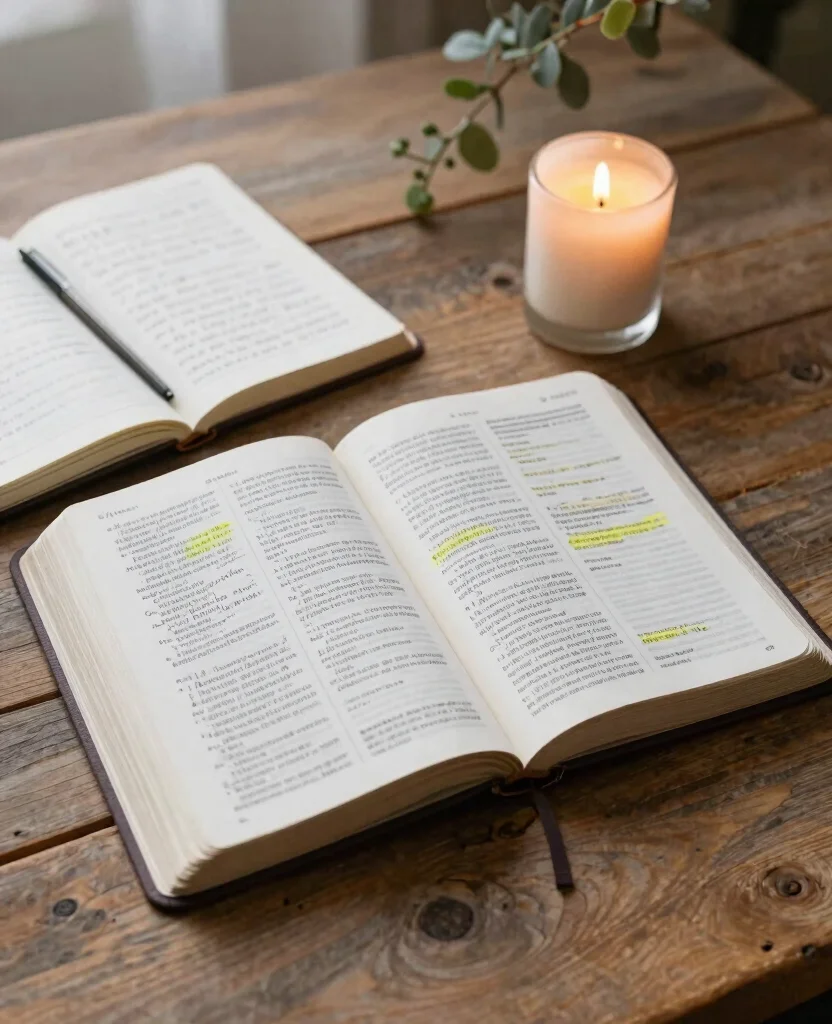
Before you dive into your journaling, take a moment to ground yourself in prayer. This sets the stage for your mind and spirit to absorb God’s message through scripture. A prayerful heart paves the way for deeper understanding and insight. Consider writing a brief prayer at the top of your journaling page, inviting guidance and clarity.
Here are some suggestions to enhance your prayer routine:
– Establish a Prayer Routine: Dedicate a few moments before journaling to pray, aligning your thoughts with God’s will.
– Pose Specific Questions: As you read, ask questions like ‘What does this passage mean for me today?’
– Stay Attentive: While journaling, be open to receiving insights or answers. This dialogue with God enriches your relationship.
This connection with God not only enhances your journaling experience but also makes your Bible study more profound.
Fun fact: 92% of bible journaling beginners report deeper focus when they begin with prayer, a cornerstone of bible journaling tips study methods. A quick, prayerful line at the top invites guidance and clarity.
3. Explore Different Journaling Techniques
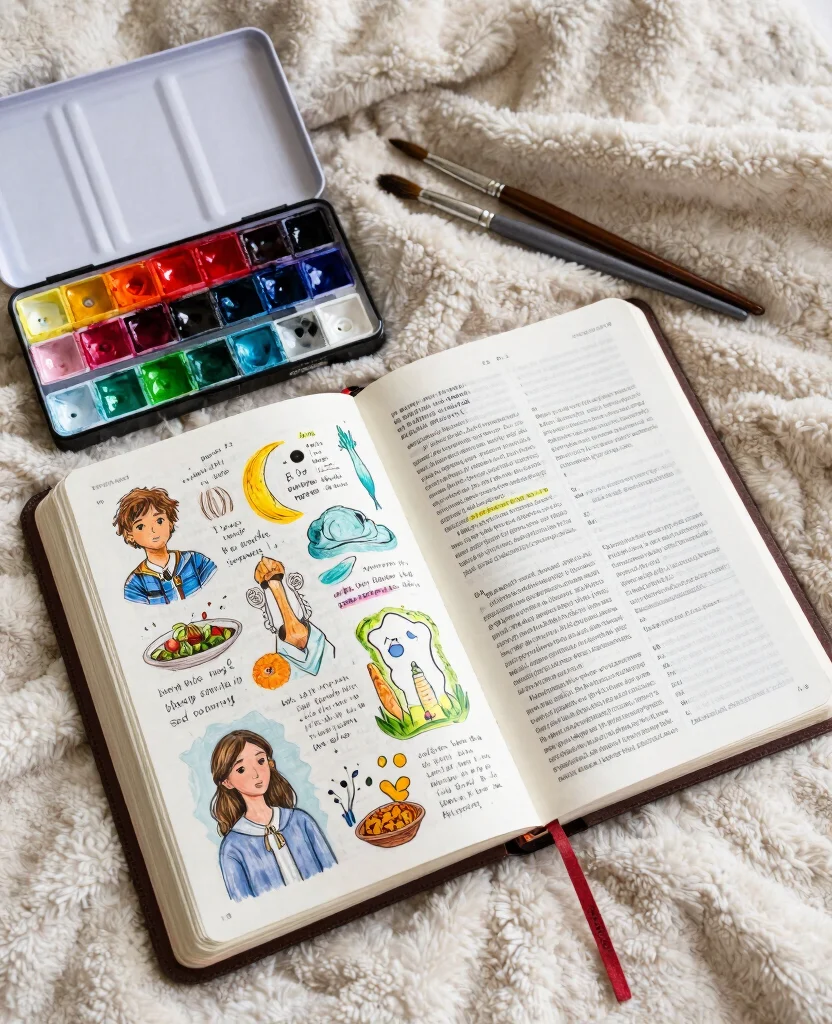
Exploring various journaling techniques can significantly enhance your Bible study, making it more dynamic and enjoyable. From art journaling to verse mapping, each method serves a unique purpose that can elevate your experience. Trying different styles keeps your journaling fresh and engaging.
Consider these exciting techniques:
– Art Journaling: Mix scripture with sketches or watercolors to visualize your faith.
– Verse Mapping: Analyze a Bible verse by detailing the meaning of individual words and their context.
– Gratitude Lists: List things you’re thankful for as a form of worship and reflection on God’s blessings.
By experimenting with diverse techniques, you’ll find what resonates with you, deepening your understanding of scripture.
4. Use Color and Creativity to Enhance Your Journaling

Incorporating color into your Bible journaling can greatly enrich your experience. Using highlighters, colored pencils, or markers helps to visually differentiate themes and personal reflections. Creativity breathes life into your journals, turning them into vibrant representations of your faith journey.
Here are some fun ways to add color:
– Highlight Verses: Use different colors to emphasize key verses that resonate with you.
– Create a Color Code: Assign colors to themes like love, hope, or grace for better organization.
– Use Stickers and Washi Tape: These fun elements can add flair and personality to your pages.
By embracing your creativity, you’ll find journaling becomes a joyful activity that deepens your connection with scripture.
Color brings your Bible journaling to life, turning study methods into a personal conversation with God. Try a simple color code for themes, highlight key verses, and jot reflections—your Bible journaling tips will stick and guide you daily.
📹 Related Video: How I Highlight & Annotate in my Bible!
5. Reflect on Your Journey Through Scripture

Reflection is an essential aspect of Bible journaling. It goes beyond merely recording thoughts; it’s about considering how scripture applies to your life. Taking time to reflect can illuminate deeper truths and insights about your faith journey. You might find writing prompts helpful for deeper exploration.
Some reflective questions to ponder include:
– How do I connect with this scripture?
– What emotions does this passage stir in me?
– How can I apply this lesson to my daily life?
Integrating reflection into your journaling can lead to profound realizations that nurture your faith, allowing you to witness your growth over time.
Was surprised how reflection deepens faith: jotting prompts for just 5 minutes can reveal deeper truths in Scripture. Try these bible journaling tips study methods—connect with the text, name the emotions, and plan one practical application today. Your journey through Scripture becomes more alive with each page.
You might also like


6. Incorporate Devotional Readings

Devotional readings can significantly enhance your Bible study experience. They offer insights, historical contexts, and practical applications that enrich your understanding of scripture. Many devotionals pair daily readings with specific themes, helping you focus your journaling on areas for personal growth.
Here are some tips for incorporating devotionals:
– Select a Devotional: Choose one that resonates with your current spiritual journey or challenges.
– Establish a Reading Schedule: Dedicate specific times each week for reading and journaling your insights.
– Document Your Thoughts: After reading, take time to write your reflections or questions.
Including devotionals allows you to broaden your understanding and encourages deeper reflection in your journaling practice.
7. Share Your Journey with a Community

Connecting with a community can enrich your Bible journaling experience. Sharing insights, challenges, and revelations with others provides support, accountability, and inspiration. Consider joining a local Bible study group or an online community focused on journaling.
Benefits of community engagement include:
– Encouragement: Sharing your journey uplifts and motivates both you and others.
– Diverse Perspectives: Gaining insights from how others interpret scripture broadens your understanding.
– Collaborative Projects: Participating in group journaling projects can ignite creativity and unity.
Building relationships through shared faith practices strengthens not just your journaling but your connection with God.
8. Keep a Prayer Journal Alongside Your Bible Journal

Maintaining a separate prayer journal alongside your Bible journal can enrich your spiritual practice. This dedicated space allows you to document prayers, track spiritual growth, and note God’s responses. It fosters accountability and reflection on how God is working in your life.
Consider these elements for your prayer journal:
– Daily Entries: Write daily or weekly prayers, capturing your thoughts and feelings.
– Record Answers: Dedicate a section for documenting answered prayers, reminding you of God’s faithfulness.
– Reflect on Growth: Occasionally review your entries to see how your prayers have evolved and how God has been active in your life.
This practice deepens your relationship with God and helps you notice His influence in your life as you document your spiritual journey.
You Might Also Like


9. Make It a Habit: Set Aside Time for Journaling

Consistency is vital for effective Bible journaling. Establishing a regular routine reinforces the habit, making it an integral part of your spiritual life. Whether you set aside five minutes each day or one hour weekly, find a rhythm that suits you.
Helpful habits for journaling include:
– Schedule Your Time: Block off specific moments in your day or week for journaling, whether in the morning or before bed.
– Create a Comfortable Space: Designate a cozy area filled with your supplies, free from distractions.
– Start Small: If you’re new, begin with brief entries or prompts to make the habit manageable.
As you establish this routine, engaging deeply with God’s Word will become easier and more enriching.
How To Choose The Right Journal for Your Spiritual Journey
Choosing the right journal for your Bible study is crucial to enhancing your spiritual journey. A journal can be more than just a notebook; it becomes a sacred space for your thoughts, prayers, and reflections. Here are some essential tips to help you find the perfect fit for your needs.
1. Size Matters
Consider the size of the journal. A standard A5 notebook is portable and easy to carry, making it perfect for on-the-go journaling. If you prefer a larger writing surface, go for an A4 size. Think about where you’ll use it: at home, church, or while traveling. Choose a size that fits your lifestyle and needs.
2. Paper Quality
The paper quality can make a significant difference in your journaling experience. Look for thicker paper that can handle various writing instruments like pens, markers, or even watercolors. Aim for 120 gsm or higher if you plan to use colored inks or paint. This way, your pages will hold up without bleeding through.
3. Binding Type
The binding of your journal can affect how easily you can write in it. Spiral-bound journals lay flat, making it easier to write without obstruction. If you prefer a more traditional approach, a stitched or glued binding may suit you better. Just ensure it opens wide enough for comfortable writing.
4. Design and Aesthetics
Your journal’s design can inspire and motivate you. Choose a cover that resonates with your spirituality, whether it’s a simple design, a beautiful illustration, or a meaningful quote. A visually appealing journal can encourage you to write more often and express your faith creatively.
5. Budget Considerations
Set a budget for your journal purchase. Journals can range from budget-friendly options to luxurious designs. Decide how much you are willing to spend and stick to it. Remember, what matters most is how the journal serves your spiritual journey, not its price tag.
6. Additional Features
Lastly, consider any additional features you might want. Some journals come with prompts, sections for prayers, or scripture reflections. Others may have pockets for storing notes or stickers for decoration. Think about what will enhance your journaling experience and help you engage deeply with your faith.
Pro Tip: Before committing to a journal, consider visiting a store to physically feel different options. This way, you can ensure it’s the right fit for your writing style and preferences. Plus, you can explore various designs to find one that truly inspires you!
10. Celebrate Your Growth and Progress

Make time to celebrate your growth and progress in Bible journaling. Reflecting on your journey encourages continued engagement and deepens your commitment to faith. Look back at older entries to recognize insights gained and prayers answered.
Ways to celebrate your progress include:
– Revisit Past Journals: Reflect on previous entries to see how God has worked in your life.
– Share Your Journey: Consider discussing your milestones with a friend or group for mutual encouragement.
– Create a Vision Board: Combine insights and reflections into a visual masterpiece that inspires your future journaling.
By honoring your progress, you’ll not only acknowledge your journey but also foster a lasting connection with God and His Word.
Conclusion: Embrace Your Personal Bible Journaling Journey

Bible journaling is a unique and powerful way to deepen your faith and enhance your understanding of scripture. Each tip and method we explored can help you cultivate a habit that connects you more intimately with God. Remember, this journey is personal; it’s about discovering what resonates with you and how you can express your faith creatively.
As you embrace these strategies, let your journaling practice evolve and grow. Your relationship with the Bible can transform into a dynamic conversation with God, filled with creativity, insight, and faith.
Frequently Asked Questions
What are the essential bible journaling tips and study methods for beginners, and how can I start today?
Getting started with bible journaling tips and study methods doesn’t have to be complicated. Start in minutes.
Step 1: Pick a Bible and a quiet space for journaling. Step 2: Choose a simple method like SOAP (Scripture, Observation, Application, Prayer). In your entry, write the verse reference, a short observation, one personal application, and a prayer. This keeps you focused and practical.
Step 3: Keep a light setup: date, verse, 2–3 lines of insight, 1 action point, and a closing prayer. Use color to highlight keywords—not to overwhelm the page.
Step 4: Gather a small kit (notebook, 1–2 pens in different colors, a ruler, and sticky notes for cross-references) and keep it together.
Step 5: Build a habit by starting with 5–10 minutes daily and increasing as you grow in faith and in study methods.
Which bible journaling study methods pair best with tips to deepen your faith?
Two practical companions are SOAP and inductive study methods. With SOAP, journal after reading: Scripture, Observation, Application, Prayer. For inductive study, read the passage, note context and questions, observe patterns, and write an application. Then connect these to your journaling by recording: a clear insight, a practical takeaway for the week, and a short prayer. Use color coding to organize your entries: blue for Scripture, green for observations, orange for applications. And remember to keep it personal and actionable.
How can I stay motivated and consistent with bible journaling tips and study methods?
Staying motivated with bible journaling tips and study methods is about tiny, sustainable habits. Start with 5 minutes a day, at the same time, in a consistent spot. Create weekly themes or prompts to avoid decision fatigue. Use an accountability partner or a small group to check in. Track progress with a simple log or a photo of your page. Keep supplies minimal and portable so you can journal on the go. Most of all, remind yourself that consistency shapes faith more than perfection.
What tools and supplies help bible journaling without clutter?
Essential tools without clutter include: a comfortable study Bible or journaling Bible, a dedicated notebook, and a few trusted pens/highlighters. Keep a small set of supplies: 2–3 color pens, fine liner, a ruler, and sticky notes. For digital lovers, use a note-taking app with tags and a photo of your page. Storage tips: use one notebook, or dedicate one margin-friendly page per week. Practical tip: keep a simple color-coding system and reuse pages; don’t overcomplicate it.
How can I apply bible journaling insights to daily life and prayer?
To translate journaling insights into daily life and prayer, start with a clear application: write one concrete action you’ll take this week. Turn that into a short prayer asking for help to live it out. Set a reminder or schedule a time to revisit the entry and reflect on progress. Share a key takeaway with a friend or family member to strengthen accountability. Revisit past journals monthly to notice growth and adjust your study methods.
Related Topics
bible journaling
faith study methods
creative devotionals
beginner friendly
deep faith exploration
scripture art
study techniques
spiritual growth
interactive bible study
daily reflections
easy journaling tips
guided bible journaling