
In the journey of life,faith serves as a compass guiding us through the frequently enough tumultuous waters of existence. It can provide solace in moments of despair, offer clarity during times of confusionand kindle the spark of hope when darkness seems all-consuming. Yet, like any enduring relationship, our faith requires nurturing and intentional cultivation. whether you are seeking to deepen your spiritual practise, explore new dimensions of beliefor simply find a stronger foundation in your current faith, embracing the right practices can significantly impact your journey. In this article, we will explore the “Top 10 practices for Building a Stronger Faith,” each one designed to fortify your spiritual framework and companion you toward a more profound understanding of your beliefs. Join us as we delve into these enriching practices that can definitely help transform your faith from a passive notion into an active,vibrant part of your life.
1. Embrace Daily Prayer
In the hustle and bustle of daily life, it can be easy to overlook the power of conversation with God. Embracing a routine of daily prayer not only serves as a means to express our needs and gratitude but also acts as a powerful anchor for our faith. Jesus emphasized the importance of prayer in Matthew 6:6,where he instructs us to seek God in our private space,promising that our father,who sees what is done in secret,will reward us.Make it a practice to carve out time each day to connect with Him, whether in the quiet of the morning or the stillness of the evening. this intentional moment fosters an intimate relationship, allowing the Holy Spirit to guide and strengthen us through life’s challenges.
Consider creating a prayer journal to document your conversations with God.This not only helps you articulate your thoughts but also allows you to track answered prayers, growing your faith over time. utilize a structure to your prayers by incorporating adoration, confession, thanksgivingand supplication (ACTS). This holistic approach, inspired by Philippians 4:6, encourages a balanced dialog with God, promoting peace that surpasses all understanding. As you pray, invite others into this journey. form a prayer group-small gatherings can ignite a passion for collective intercession, reminding you that you are not alone in your walk of faith.

Prayer is the foundation of a vibrant faith life. It offers an intimate connection to God and a means of communicating our desires, hopesand fears. The Bible encourages us to pray without ceasing (1 Thessalonians 5:17), emphasizing that consistent prayer fosters a deeper relationship with the Creator
The Importance of Prayer in Faith Advancement
prayer is more than just a religious duty; it’s a transformative practice that nurtures our spiritual growth. Through regular communication with God, we open our hearts, laying bare our desires and deepest fears. This sacred dialogue allows for an exchange where we can hear His gentle guidance and experience His unwavering love. As stated in Philippians 4:6-7, “Do not be anxious about anything, but in every situation, by prayer and petition, with thanksgiving, present your requests to God.” Engaging in prayerful conversations cultivates a sense of peace that transcends understanding, equipping us to face life’s challenges with faith and resilience.
to make prayer a cornerstone of your faith journey, consider establishing a daily practice that suits your lifestyle. Whether it’s a brief morning communion with God while sipping coffee or a quiet evening reflection, consistent prayer creates a rhythm that deepens intimacy. Incorporating elements like gratitude and confession enriches this experience, making it a holistic spiritual practice.Additionally, you might keep a prayer journal, recording your conversations with God and reflecting on His answers-much like David did in the Psalms. Remember, as you embrace this vital practice, James 5:16 reminds us that “the prayer of a righteous person is powerful and effective,” encouraging us to intercede for others and witness the miraculous ways in which god works through faith-filled prayers.
Set a Specific Time: Establish a dedicated time each day to pray, whether in the morning to start your day or at night to reflect. Use this time to express gratitude, seek guidanceand intercede for others
Set a Specific time
Establishing a dedicated time for prayer each day creates a sacred rhythm in our lives that draws us closer to god. Whether you choose to pray in the early hours as dawn breaks or in the calm of night, this intentional act of setting aside time nurtures your spirit. As 1 Thessalonians 5:16-18 teaches, “Rejoice always, pray continually, give thanks in all circumstances; for this is God’s will for you in Christ Jesus.” This guidance encourages us not just to pray in moments of need, but to cultivate gratitude and seek divine direction daily.
During your prayer time, take the opportunity to intercede for others, lifting their needs before God. Use a journal or a prayer list to track those you pray for; this not only keeps you organized but also allows you to witness how God works in their lives over time. As you practice this, remember James 5:16, which states, “The prayer of a righteous person is powerful and effective.” By investing time in prayer, you are not only deepening your relationship with God but also engaging in the transformative work of faith that impacts both your life and the lives of others.

Create a Prayer List: Write down prayer requests for family, friendsand personal struggles. This not only helps keep track of your prayers but also allows you to witness God’s faithfulness over time
Create a Prayer List
Creating a prayer list is an excellent way to engage more deeply in your spiritual life. By jotting down specific requests from family and friends, as well as your personal struggles, you cultivate a tangible reminder of the needs around you. This practice not only channels your prayers but also helps you witness God’s faithfulness over time. As you bring these requests before the Lord, consider the words of Philippians 4:6-7, which encourage us to present our concerns in prayer and trust that the peace of God will guard our hearts. You might find it helpful to use a simple format for your list, such as:
- Name: John Doe
- Request: Healing from illness
- Date Added: September 15, 2023
- Date Answered: TBD
Over time, revisiting this list becomes a powerful testament to how God answers prayers, whether through immediate intervention or gradual change. In 1 Thessalonians 5:16-18, we are encouraged to “rejoice always, pray continually, give thanks in all circumstances.” Your prayer list can serve as a record of God’s interventions and blessings, affirming His presence in every season of life. Consider scheduling a time each week to review and update your list, celebrating answered prayers and reinforcing your trust in God’s perfect timing.

Incorporate Scripture: Use Bible verses as prompts for your prayers. Such as, praying Psalm 23 can remind you of God’s guidance and provisions in your life
Incorporate Scripture: Use Bible Verses as Prompts for Your Prayers
Praying scripture can be a powerful practice that invites God into the conversation, helping you align your heart with His will. Consider the profound imagery in Psalm 23: “The Lord is my shepherd; I shall not want.” This verse serves as a reminder of God’s constant provision and guidance. As you enter into prayer, reflect on the areas in your life where you feel lost or in need. Allow the calming reassurance of God as your Shepherd to flood your heart with peace. as a notable example,you might pray,”Lord,guide me as you do your flock; help me trust in your leading,even when the path ahead seems uncertain.” Engaging with scripture in this way creates a dialogue that not only deepens your faith but also encourages reliance on God’s eternal promises.
Another impactful verse to incorporate into your prayers is found in Philippians 4:6-7: “Do not be anxious about anything,but in every situation,by prayer and petition,with thanksgiving,present your requests to God.” This passage challenges us to bring our worries before the lord,transforming anxiety into a moment of connection. Create a list of your specific worries or prayer requests and include them in your conversations with God, expressing gratitude for what He has already done. By aligning your thoughts with scripture, you reinforce your faith in God’s sovereignty while fostering a spirit of thankfulness. Explore other verses as well, such as Jeremiah 29:11 or Isaiah 41:10and use them as launching pads for deeper, more impactful prayers that resonate with the promises of His Word.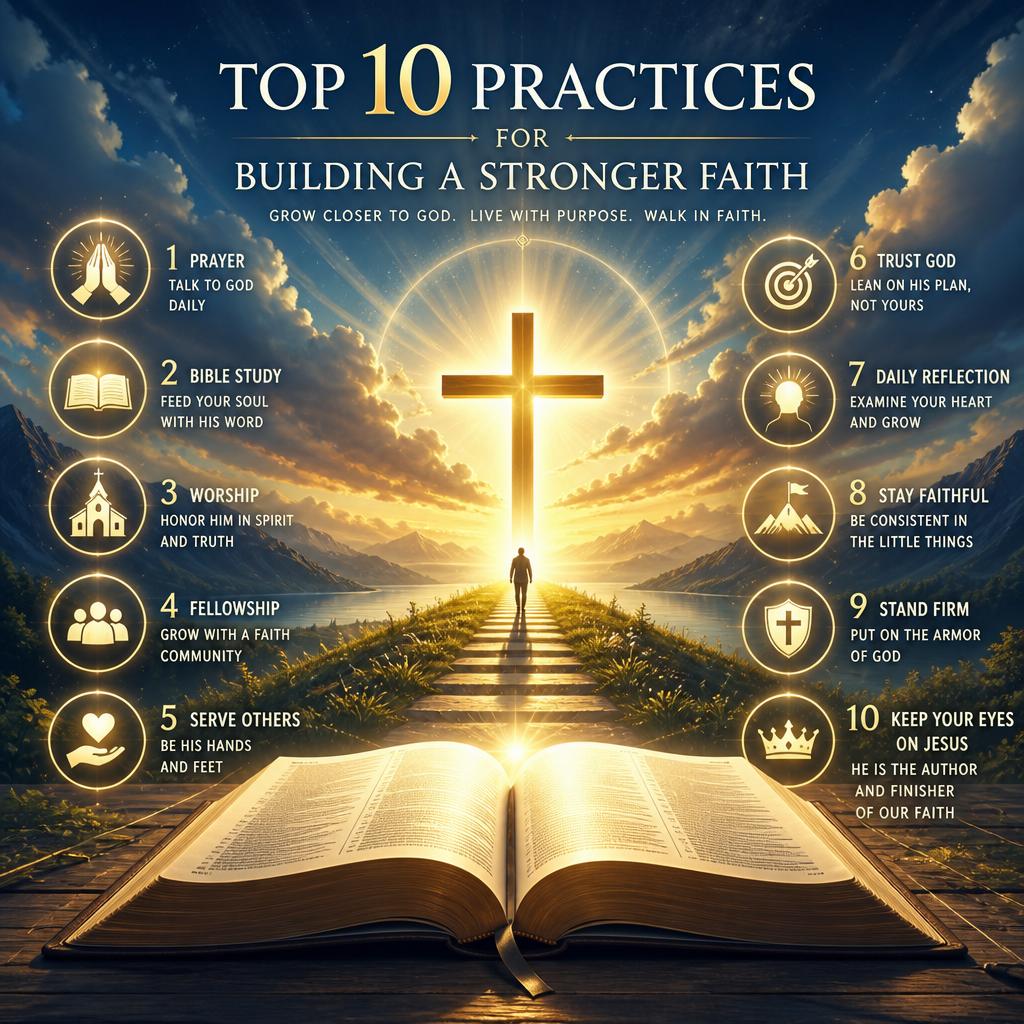
2. Cultivate a Habit of Scriptural Engagement
engaging with Scripture on a daily basis is akin to nourishing the soul-it is indeed essential for spiritual growth and maturity. When we dedicate time to read, meditateand reflect on God’s Word, we allow His truths to permeate our hearts and minds. As stated in Psalm 119:105,”Your word is a lamp to my feet and a light to my path.” this verse emphasizes the importance of guidance that Scripture provides in our lives.Consider establishing a routine by setting aside a specific time each day to immerse yourself in biblical texts. Whether that involves reading through a chapter or focusing on key verses, consistency is key.
Incorporating various methods of engagement can enhance understanding and retention.Try exploring different translations of the Bible, journaling insights or reflectionsor even memorizing verses that resonate with you personally. Another approach is to share your learnings with a friend or join a small group dedicated to studying the Word. This not only deepens your own understanding but also allows for shared wisdom and support within the community. As Paul instructs in colossians 3:16, “Let the word of Christ dwell in you richly, teaching and admonishing one another.” Cultivating a habit of engagement not only strengthens your faith but also builds a vibrant spiritual community around you. Start small, be intentionaland watch as your relationship with God transforms through His Word.
Diving into the Word of God is vital for spiritual growth. The Bible serves as a guide,offering wisdom and understanding. Jesus himself emphasized the importance of Scripture when he said,“Man shall not live by bread alone,but by every word that comes from the mouth of God” (Matthew 4:4)
Diving into the Word of God
Engaging with Scripture is akin to nurturing one’s soul; it is through the pages of the Bible that believers discover profound truths and timeless wisdom. The Word of God reveals the character of God, illuminates our pathsand equips us with a spiritual foundation. As we delve into His Word, we gain personal insight and clarity into our lives and decisions.Notably, Psalm 119:105 states, “Your word is a lamp for my feet, a light on my path.” This reminder prompts us to seek God’s guidance in every area of our lives, ensuring our choices align with His will.By establishing a consistent practice of reading and reflecting on the Scriptures, we grow in our understanding and deepen our relationship with the Father.
To incorporate Scripture into daily life, consider setting specific time each day dedicated to reading the Bible-whether in the morning with coffee or in quiet moments before bed. Use a journal to jot down insights, reflectionsand prayers that arise from your study; this not only solidifies understanding but also builds a record of God’s faithfulness over time. Additionally, engaging in group studies or discussions can enrich your comprehension and application of biblical teachings. Hebrews 10:24-25 encourages us, “And let us consider how we may spur one another on toward love and good deeds, not giving up meeting together, as some are in the habit of doing, but encouraging one another.” Through shared exploration and fellowship, we cultivate a thriving faith community, helping one another grow stronger in Christ.
Establish a Reading Plan: Choose a bible reading plan that suits your pace, whether it’s a chronological plan or thematic studies. Consistent reading helps you to uncover truths and lessons regularly
Establish a reading Plan
Engaging with Scripture systematically can profoundly influence your spiritual journey. Consider selecting a reading plan that resonates with your unique lifestyle-be it a chronological approach that allows you to experience the unfolding narrative of salvation history or thematic studies that invite you to explore specific teachings and doctrines.As an example, Genesis to revelation sequentially reveals God’s redemptive purpose, while a thematic focus on topics like love (1 Corinthians 13) or faithfulness (Lamentations 3:22-23) allows for a deep dive into aspects of god’s character and promises.Consistency, as emphasized in James 1:22, encourages us to not merely listen to the Word but to act upon it, deepening our understanding and shaping our behavior.
Additionally, embrace the habit of journaling during your reading times. Documenting insights and reflections can illuminate how Scripture speaks into daily circumstances. Real-life applications can be integrated through prayers for guidance, noting answered prayersand reflecting on how biblical principles resonate in the modern world. As you dedicate time to spend in God’s Word, remember Romans 10:17 teaches us that “faith comes from hearing the message.” Your dedicated reading plan serves not just as a routine but as a gateway to deepen your faith, aligning your heart with God’s voice and unveiling the mysteries of His Word in a fresh way.

Join a Study group: Engaging with others can deepen your understanding of difficult passages and provide diverse perspectives. Consider joining or forming a small group where you can discuss and share insights
Engage with Others for Deeper Understanding
Participating in a study group allows believers to explore the depths of Scripture collaboratively. As iron sharpens iron (Proverbs 27:17), discussing difficult passages can illuminate nuances that individuals might overlook when studying in solitude.within these groups,members can share their unique interpretations and insights,enhancing everyone’s comprehension of God’s Word. For example, if one member struggles to grasp the significance of a parable, a fellow believer might connect it to a personal experience, revealing its profound impact on daily life. This shared journey can transform confusion into clarity, as well-rounded discussions foster an environment of learning and connection rooted in love and respect.
Steps to Form or Join a Group
When considering joining or forming a study group, think about the dynamics that facilitate growth.Here are some key components to make your group effective:
- Set Regular Meetings: Consistent gatherings create a rhythm of learning and anticipation.
- Choose a Focus: Whether it’s studying a specific book of the Bible or a topical theological question, having a clear focus keeps discussions productive.
- Establish Guidelines: Respectful dialogue is essential; agree to listen actively and speak kindly, reflecting James 1:19.
- Incorporate Prayer: opening and closing with prayer invites God’s presence and guidance into your discussions.
- Share resources: Distribute materials,such as commentaries and online articles,that can enhance the study experience.
As you embark on this journey, remember the words of Matthew 18:20: “for where two or three gather in my name, there am I with them.” Each meeting offers an opportunity for spiritual growth, fellowshipand experiencing God’s love in community.
Memorization: Commit to memorizing key verses that resonate with you or address specific life situations.This practice not only enhances your faith but also serves as a source of comfort in challenging times
Memorization as a Spiritual Discipline
Committing key verses to memory can transform the way we navigate life’s challenges. take, for instance, Philippians 4:13: “I can do all things through Christ who strengthens me.” By embedding this truth in your heart, you equip yourself with a powerful reminder that you are not alone in your struggles. This practice fosters a deeper connection to scripture, allowing God’s Word to resonate within you during trials or moments of self-doubt. Each verse memorized becomes a tangible lifeline, a source of encouragement when fear or worry tries to overshadow your faith.
Moreover, selecting verses that are personally important or that address specific situations you face can articulate your faith in a profound way. Create a list of meaningful scriptures, such as Isaiah 41:10: “Fear not, for I am with you; be not dismayed, for I am your God.” As you consider the various challenges in your life-be it anxiety, griefor uncertainty-incorporate these verses into your daily routine. Write them on index cards or display them in your living space as constant reminders. Through this daily engagement, you cultivate resilience and a renewed perspective grounded in God’s promises.

3. Engage in Community Fellowship
Engaging in community fellowship is a cornerstone of a vibrant faith journey. As stated in Hebrews 10:24-25, “And let us consider how we may spur one another on toward love and good deeds, not giving up meeting together, as some are in the habit of doing, but encouraging one another.” This emphasizes the importance of gathering with fellow believers, encouraging each otherand sharing life together. Churches and small groups provide spaces where individuals can grow in their faith not only through worship and teachings but also by forming supportive relationships. These connections can foster accountability and spiritual growth, reinforcing the truth that we are not meant to walk alone in our faith.
Participating in community activities can also promote a stronger faith through service. Engaging in outreach programs or volunteer opportunities helps to cultivate a heart of compassion and love in aligning with Christ’s teachings. As Matthew 25:40 reminds us, “Whatever you did for one of the least of these brothers and sisters of mine, you did for me.” By serving others within the community, we embody the principles of Christ’s love and humility. Creating a schedule for regular community involvement can enhance your spiritual journey, making faith a living, breathing aspect of daily life. consider forming a small group focused on service projects and sharing testimonies that deepen faith while actively loving others.
- Join a local church or small group.
- Participate in outreach programs.
- Start a service-oriented small group.
- Encourage and support each other in faith journeys.

As believers, we are called to live in community (Hebrews 10:24-25). Fellowship with other Christians strengthens your faith and encourages accountability. participating in a community allows for shared experiences and support as you navigate the challenges of life
Community as a Source of Strength
Living in a community of believers serves as a profound source of strength for our individual faith journeys. The Bible encourages us to “consider how we may spur one another on toward love and good deeds” (Hebrews 10:24). Engaging with other Christians creates an environment ripe for spiritual growth, where shared experiences pivot us towards deeper reflections on our life’s purpose and God’s calling. Whether through small groups, church servicesor communal prayer meetings, these interactions offer opportunities to witness God at work in the lives of others, reinforcing our hope and desire to deepen our relationship with Him.
The Gift of Accountability
Accountability is another significant facet of Christian fellowship. When we unite as believers, we cultivate bonds that encourage us to remain steadfast in our faith. As iron sharpens iron, so one person sharpens another (Proverbs 27:17). This mutual support allows us to hold one another accountable in love, urging us gently back to the straight path when challenges arise. In moments of struggle, being surrounded by a community that shares our values and beliefs can remind us of the truth in scripture, as it says, “As for you, brothers and sisters, never tire of doing what is good” (2 Thessalonians 3:13). through these relationships, we find strength in vulnerability, allowing us to navigate life’s trials with a renewed spirit and heart.

Attend Church Regularly: Being part of a local church helps anchor your faith through collective worship, teachingand service. Engage actively by participating in services, joining classesor volunteering
Gathering in Faith
Being part of a local church community acts as a vital lifeline for your spiritual journey. In Hebrews 10:24-25, we are encouraged, “And let us consider how we may spur one another on toward love and good deeds, not giving up meeting together, as some are in the habit of doing, but encouraging one another.” Regular participation in worship services, bible studiesand fellowship gatherings fosters an environment where faith can flourish. As you share experiences and insights with fellow believers, you strengthen each other in the shared pursuit of God’s truth. This communion not only deepens your individual faith but also creates a collective spirit that magnifies God’s work in your lives.
Service as a Foundation of Faith
Engaging in church life through volunteering offers another layer of personal growth and community service. As you use your gifts, be it teaching Sunday schoolorganizing outreach programsor helping with church maintenance, you embody the principles found in 1 Peter 4:10: “Each of you should use whatever gift you have received to serve others, as faithful stewards of God’s grace in its various forms.” Such acts of service not only bring joy to others but also cultivate a sense of belonging and purpose. Embrace opportunities to learn from classes or small groups as thay equip you for deeper understanding and action, nurturing both your personal faith and leading others to experience the richness of God’s love.

Organize Small Group Gatherings: Small groups can provide a more intimate setting for sharing struggles and joys. These gatherings foster deeper relationships and open up opportunities for personal growth and encouragement
Organize Small Group Gatherings
Creating a space where individuals can share their struggles and joys is vital for spiritual growth. Small group gatherings cultivate an atmosphere of trust and support, enabling participants to dive deep into meaningful conversations. Hebrews 10:24-25 reminds us to consider how to spur one another on toward love and good deeds. Regular meetings allow members to share their testimonies, offer prayer supportand encourage one another in their faith journeys. As these relationships deepen, they provide a sanctuary for vulnerability, where individuals can grow not only in their faith but also in their understanding of the shared human experience.
To maximize the impact of these gatherings, consider incorporating structured activities that encourage authentic interaction. Activities such as Bible study, group prayeror discussions on faith-related topics can enhance engagement. Additionally, sharing meals fosters a spirit of community, mimicking the early Christian fellowship described in Acts 2:42, which emphasizes the breaking of bread and prayer. Here’s a simple outline of potential small group meeting structures:
| time | Activity | Objective |
|---|---|---|
| 10 min | Welcome and Icebreaker | Establish rapport and comfort among members |
| 20 min | Bible Study | Explore scripture and discuss real-life applications |
| 15 min | Prayer Time | Lift each other’s burdens and seek God’s guidance |
| 15 min | Sharing Testimonies | Encouragement and inspiration through personal stories |
| 10 min | Closing Reflections | Summarize insights and commit to next steps |
These gatherings not only enhance individual faith but organically nurture a community centered on Christ. Remember, as you pour into these small groups, you are playing a crucial role in supporting one another’s journey towards stronger faith and deeper connections within the body of Christ.

Serve Together: Engaging in service projects or ministries as a group not only fulfills the call to serve others but also strengthens bonds among members.Whether it’s a local outreach or mission trip, shared experiences can bring unity and purpose
Serve Together
Engaging in service projects cultivates a spirit of camaraderie and purpose among group members. Jesus models this beautifully in Matthew 25:40, where He states, “Truly I tell you, whatever you did for one of the least of these brothers and sisters of mine, you did for me.” Whether participating in a local outreach program, such as feeding the hungryor embarking on a mission trip to support communities in need, shared experiences enable individuals to witness firsthand the impact of their combined efforts. As people serve together, barriers fadeand relationships deepen, creating a tapestry of shared stories and transformative moments that strengthen their collective faith.
Moreover, actively participating in service invites each member to discover and utilize their unique gifts in a spirit of collaboration. In 1 Peter 4:10, we are reminded, “Each of you should use whatever gift you have received to serve others, as faithful stewards of God’s grace in its various forms.” When groups seize opportunities to serve, they encourage one another to step beyond their comfort zones, fostering personal growth and a deeper understanding of God’s calling. The resulting unity not only enhances fellowship within the group but also sends ripples of hope and love into the communities they serve, echoing the command to love one another as Christ loves us.

4. Practice Gratitude and Reflection
Cultivating a heart of gratitude is a transformative practice that can enrich your spiritual life profoundly. In Philippians 4:6-7, we are reminded to “not be anxious about anything, but in everything, by prayer and supplication with thanksgiving, let your requests be made known to God.” Incorporating a daily practice of gratitude allows us to acknowledge God’s blessings, even in challenging times. Consider keeping a gratitude journal, where you can write down at least three things each day that you are thankful for.This simple act can shift your focus from life’s hardships to the abundance of God’s grace and gifts. Share these reflections with friends or family members,creating a space for communal gratitude that emphasizes God’s presence in everyday life.
Reflection is equally vital in nurturing one’s faith. Taking time to meditate on Scripture and God’s goodness can lead to deeper understanding and personal growth. Psalm 77:12 states, “I will ponder all your workand meditate on your mighty deeds.” Set aside moments to reflect on your week or month-consider what lessons you’ve learned, how you’ve seen God moveand areas where you can grow. You might create a table to track these insights, noting specific moments of growth, challenges facedand prayers answered. engaging in this practice not only strengthens your faith but also prepares your heart for what lies ahead as you walk in close relationship with God. Here’s a simple layout for reflection:
| Date | Lessons learned | Prayers Answered |
|---|---|---|
| week 1 | Patience in waiting | Job interview received |
| Week 2 | Importance of community | Friend reconciled |
| Week 3 | Faith in uncertainty | Health enhancement |
This consistent practice of gratitude and reflection not only enhances our spiritual resilience but also deepens our connection and reliance on God’s faithfulness throughout our journey.
Gratitude is a powerful practice that aligns our hearts with God’s goodness, reminding us of His faithfulness. Reflecting on our experiences helps us recognize God’s hand in our lives, leading us to a deeper appreciation of His work
Embracing Gratitude
Gratitude serves as a beacon, illuminating the path of our daily lives, even amidst challenges. When we take a moment to reflect on our journey, we can see God’s faithfulness woven through both the joyous and the painful experiences. As Psalm 107:1 encourages us, “give thanks to the Lord, for he is good; his love endures forever.” Each acknowledgment of his goodness fuels our faith and shifts our perspective toward recognizing His presence in all situations. This practice can be integrated into our daily routines, perhaps through maintaining a gratitude journal where we note down daily blessings, large and small. By doing so, we train our hearts to continually seek the evidence of His hand at work, fostering deeper trust in His plans.
Recognizing God’s Hand in Our Lives
Reflecting on our life experiences not only helps in recognizing God’s involvement but also strengthens our communal faith. Sharing testimonies within our church or small groups fosters an atmosphere of encouragement and solidarity, highlighting how His goodness transcends personal stories. Consider Proverbs 27:17: “As iron sharpens iron, so one person sharpens another.” This verse underlines the importance of community in refining our spiritual journey.You can also create a “God’s Goodness” board at home, where you, along with family members or friends, pin notes about blessings or answered prayers. These tangible reminders will reinforce collective gratitude and cultivate an environment of appreciation for God’s unwavering love and faithfulness.

Keep a Gratitude Journal: Each day, jot down three things you are grateful for. This simple act can shift your mindset from negativity to appreciation, fostering a positive outlook
Keep a Gratitude Journal
Setting aside a few moments each day to reflect on the blessings in our lives can profoundly transform our perspective. By recording three things you are grateful for, you engage in an intentional practice of recognizing God’s goodness, as encapsulated in 1 Thessalonians 5:16-18: “Rejoice always, pray continually, give thanks in all circumstances; for this is God’s will for you in Christ Jesus.” In doing so, we cultivate a heart of appreciation that counters the negativity that often permeates our thoughts. This exercise not only enhances our spiritual growth but also reminds us of God’s faithfulness,providing a sacred space to witness His hand at work.
As you write, consider incorporating specific elements of your day that uplift your spirit. Perhaps it was a smile from a friend, a warm mealor a moment of peace in nature. Listing these items can foster a greater awareness of God’s blessings in the ordinary. You might also include scripture reflections or prayers related to those blessings,reinforcing your connection with God. As Philippians 4:8 encourages, “whatever is true, whatever is noble, whatever is right, whatever is pure, whatever is lovely, whatever is admirable-if anything is excellent or praiseworthy-think about such things.” With each entry, your gratitude journal becomes a testament to your faith, helping you to see beyond challenges and focus on the abundant grace in your life.

Reflect on God’s Faithfulness: Set aside time weekly to reflect on the events of the past week. consider where you saw God’s provision, how you responded to challengesand what His Word taught you during that time
Reflecting on God’s Faithfulness
Setting aside time each week for introspection can be a transformative practice as we walk in faith. As you look back over the past week, consider specific instances where God’s provision was evident. Perhaps you faced a daunting challenge at workand miraculously, your worries were eased or solutions surfaced unexpectedly-these are moments of divine intervention. James 1:17 reminds us, “Every good gift and every perfect gift is from above.” Identify these gifts, no matter how smalland record them in a journal.This practice not only enhances gratitude but also reinforces the reality of God’s unwavering presence in the mundane.
Additionally, reflect on how you responded to trials. Did your actions align with scripture in moments of tension? Galatians 5:22-23 emphasizes the importance of bearing the fruits of the Spirit, including patience and self-control, even when faced with adversity. It’s crucial to evaluate whether your reactions brought glory to God or if they fell short. This self-assessment fosters growth and strengthens character. Consider creating a simple table to track your weekly reflections, responsesand lessons learned:
| Event/Challenge | God’s Provision | My Response | Scriptural Insight |
|---|---|---|---|
| Work-related concern | Support from a colleague | Handled with stress | Philippians 4:6-7 |
| Family issue | Peaceful resolution | Expressed anger | James 1:19 |
This simple act of reflection can deepen your understanding of His faithfulness while cultivating resilience in your spiritual journey. Each week, as you pinpoint areas where God has moved, you’ll not only celebrate His goodness but also draw closer to His heart, reinforcing your faith along the way.
Share Testimonies: Encourage others by sharing how God has impacted your life. Whether in informal conversations or structured testimonies at church, your story can inspire and uplift those around you
Share Your Journey of Change
Every believer has a unique story of God’s grace and work in their life. When you share your experiences, whether in casual settings or during designated times at church, you provide a window for others to see how faith manifests in real life. The Apostle Paul often recounted his transformation to encourage others, reminding us in 2 Corinthians 1:4 that God comforts us “in all our troubles, so that we can comfort those in any trouble.” Sharing your journey isn’t just about recounting events; it’s about highlighting God’s faithfulness and mercy in your struggles. What hurt did He heal? What prayers were answered? Each testimony serves as a living example-a beacon of hope that showcases the profound impact of faith.
Practical Examples of Sharing
Consider structuring your conversation or testimony around key focal points: what your life was like before your faith, how you encountered Godand what you’ve learned since. These elements resonate deeply and are relatable to many. For instance, if anxiety often clouded your days, you might share how Philippians 4:6-7 transformed your mindset through prayer-leading you to a peace that surpasses understanding. Create opportunities to discuss your testimony organically; whether through social media, small groupsor one-on-one chats, invite others into your story. As you share, you not only encourage those who hear you but also strengthen your own faith, keeping the testimony of God’s work alive in your heart and mind.
Closing Remarks
As we conclude our exploration of the top 10 practices for building a stronger faith, it’s clear that the journey of spiritual growth is as unique as each individual who undertakes it. Whether you resonate with the power of prayer, the strength found in communityor the transformative nature of reflective reading, the key is to embrace these practices with an open heart and a willing spirit.
Faith, much like a garden, flourishes when nurtured with love, intentionand consistency. As you weave these practices into your daily life, take note of the subtle changes that unfold within you and around you. remember, faith is not merely a destination but a continuous journey-one that invites questions, inspires curiosityand fosters a deeper connection with the world and the divine.
May you find joy in every step of this journeyand may your faith, strengthened by these practices, become a guiding light not only for your own life but for those around you. Keep exploring, keep questioningand above all, keep believing. After all, the adventure is just beginning.