
In the ever-evolving landscape of education, where academic achievement ofen takes center stage, the importance of nurturing a child’s spiritual and moral growth can sometimes be overshadowed. Yet, faith growth in schools is emerging as a vital aspect of holistic education, fostering not only intellectual curiosity but also emotional resilience and ethical decision-making. As educators and administrators grapple with the multifaceted challenges of contemporary schooling, exploring avenues for faith development offers a unique opportunity to enrich the learning environment. This article delves into practical strategies and thoughtful considerations for seamlessly integrating faith development into school curricula, creating a more balanced approach to education that honors both the mind and the spirit.Join us as we embark on this journey of discovery, examining how schools can become sanctuaries of holistic growth, encouraging students to cultivate their beliefs and values alongside their academic pursuits.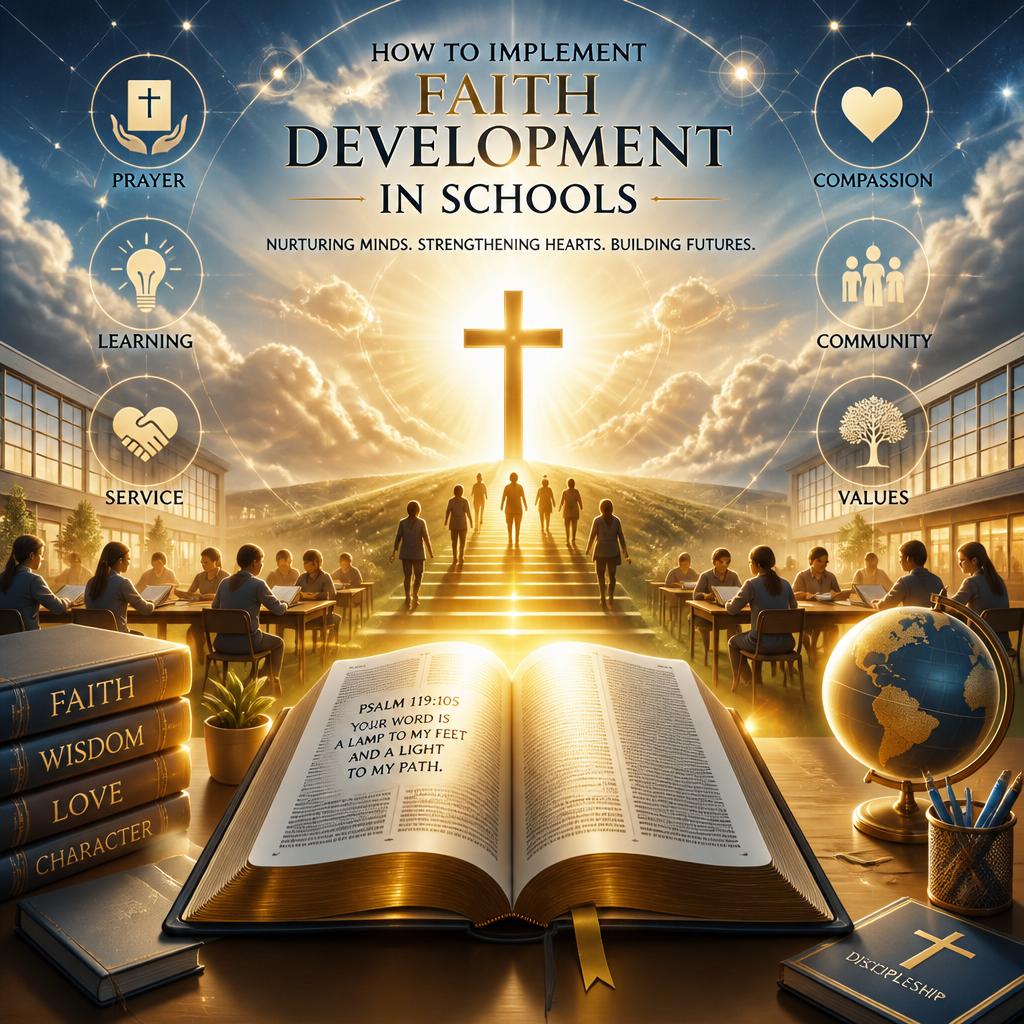
Understanding the Foundations of Faith Development
At the core of effective faith development in schools lies a deep understanding of how young people cultivate their spiritual lives. Faith is not merely a set of beliefs but an evolving journey shaped by relationships, experiencesand teachings. The Bible tells us in Proverbs 22:6, “Train up a child in the way he should go; even when he is old he will not depart from it.” This suggests that foundational teaching and support are crucial during formative years. Schools can integrate daily activities that promote spiritual growth, such as incorporating biblical stories that resonate with personal experiences or facilitating discussions about real-life dilemmas through a faith lens. This fosters an environment where students can express doubts and explore their beliefs in a supportive community.
To create a nurturing atmosphere, educators should focus on tangible, daily applications of faith principles.Implementing a character education program that emphasizes core biblical values-such as compassion, integrityand service-can help students grasp the importance of living out their faith. Consider creating a program that encourages students to participate in community service, reflecting the heart of Christ depicted in Matthew 5:16: “Let your light shine before others, that they may see your good deeds and glorify your Father in heaven.” This hands-on approach enhances learning and instills a sense of purpose, demonstrating that faith is meant to be lived. Establishing mentorship programs where older students guide younger ones can also serve as a biblical model of discipleship and intergenerational faith sharing, enriching both mentors and mentees in their spiritual journeys.

Faith development in schools begins with a foundational understanding of what faith means in an educational context. It is essential to recognize that faith is not merely a set of beliefs or doctrines but an evolving relationship with God that encompasses personal growth,community engagement,and service. In this light, educational institutions must strive to cultivate an atmosphere that encourages students to explore, questionand deepen their faith life
Creating an Environment for Faith Exploration
To nurture a vibrant faith development journey, schools must cultivate environments where students feel safe to explore their beliefs openly.This involves not only providing theological education but also encouraging students to engage with questions of faith and doubt. Proverbs 2:3-5 exhorts, “Indeed, if you call out for insight and cry aloud for understandingand if you look for it as for silverand search for it as for hidden treasure, then you will understand the fear of the Lord and find the knowledge of God.” by establishing programs that promote discussion, reflectionand authentic dialog, educators can help students discern their values and beliefs. Students can partake in regular, open forums or small group discussions, where various viewpoints are respectedand vulnerability is encouraged, seeking Godly wisdom together.
Integrating Community and Service
faith development is intrinsically tied to service and community engagement, as exemplified in James 2:17: “In the same way, faith by itself, if it is not accompanied by action, is dead.” Schools should create opportunities for students to serve both within the school and the wider community, fostering an understanding that faith is lived out through action. This can include organizing service projects, partnering with local charitiesor facilitating mission trips that allow students to practice love and compassion. Such hands-on experiences not only solidify their faith but also build a strong sense of community among peers, uniting them in a common purpose to reflect Christ’s love in tangible ways.
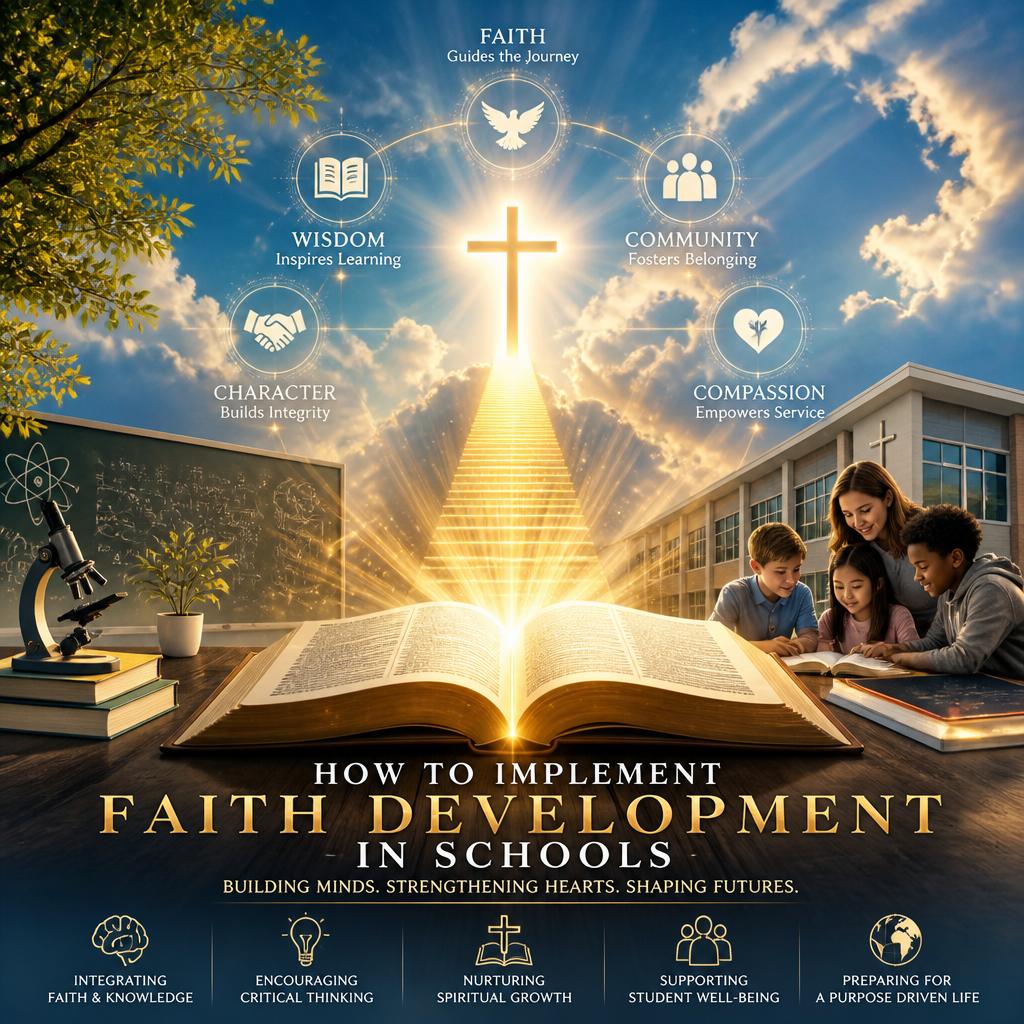
Theological Reference: In Hebrews 11:1, we read that “faith is the assurance of things hoped for, the conviction of things not seen.” This theological premise can be integrated into curricula as a means of guiding discussions around hope, trustand personal belief systems
Theological Reference
Within the framework of education, understanding faith as “the assurance of things hoped for, the conviction of things not seen” (Hebrews 11:1) opens the door to profound conversations about hope and personal belief systems. To weave this theological principle into school curricula, educators can create a space where students explore their own convictions and values. By incorporating reflective practices such as journaling or group discussions, students can articulate their hopes and understand how these aspirations shape their choices and relationships. This aligns with biblical teachings such as Jeremiah 29:11, where God assures us of His plans for a future filled with hope. Encouraging students to document their hopes allows them to see how faith influences their decisions, instilling a sense of purpose grounded in a larger narrative of divine promise.
Additionally, initiating lessons on trust can be achieved through storytelling-both biblical tales and student experiences-highlighting the importance of faith in overcoming challenges. For instance, the story of David and Goliath (1 Samuel 17) serves as a powerful example of courage fueled by faith. Engage students in activities that foster teamwork and resilience, such as service projects or collaborative problem-solving tasks, illustrating how faith in God and trust in one another can lead to meaningful outcomes.when students experience faith through community engagement, they are not only learning academic skills but also developing a deep conviction that anchors their personal belief systems. This embodiment of faith in action not only nurtures character but also prepares them to face uncertainties with hope and strength.

To effectively implement faith development, schools can:
Integrating faith into daily school routines can foster an environment where students are free to explore their spirituality alongside their academics. Schools can start by establishing dedicated times for prayer and reflection. Consider implementing a brief morning devotion or closing reflection sessions that align with biblical teachings. As Proverbs 22:6 states, “Train up a child in the way he should go; even when he is old he will not depart from it.” By teaching students to prioritize their faith, schools provide them with a framework to navigate life’s challenges. Facilitating small group discussions guided by teachers can also encourage students to share their thoughts and experiences in a safe space, nurturing their belief systems while building a supportive community.
Additionally, integrating service projects into the curriculum can help students live out their faith in practical ways. Schools can organize outreach programs that allow students to serve their local communities while embodying Christ’s teachings. As Matthew 5:16 encourages, “Let your light shine before others, that they may see your good deeds and glorify your Father in heaven.” By participating in acts of kindness, such as food drives or volunteering at shelters, students not only witness the impact of their faith but also develop compassion and leadership skills.Pairing these initiatives with discussions on biblical principles related to charity, loveand service will reinforce the importance of faith in action, making spirituality a tangible part of their everyday lives.

Integrate faith discussions into the daily curriculum
Embracing Faith in Everyday Learning
Integrating faith into the daily lesson plans provides students a seamless opportunity to explore their beliefs within the context of their education. By embedding biblical principles into subjects like literature, historyand science, educators can highlight the interconnectedness of faith and knowledge. For instance, in literature classes, students can read and analyze biblical stories, drawing lessons applicable in their lives today, such as empathy in the parable of the Good Samaritan (Luke 10:25-37). in science, discussions about creation can be enriched with perspectives from Psalm 19:1, which reminds us that “the heavens declare the glory of God.” This creates a learning environment where every subject matter becomes a vessel for spiritual growth and character development.
Creating Interactive Faith-focused Activities
To further deepen faith discussions, schools can organize interactive activities that encourage students to express their understanding of faith in versatile ways. Project-based learning is a robust method; for example,students can work on community service projects inspired by Matthew 5:16,which calls them to let their light shine before others. schools might consider implementing a “Faith in Action” week where students undertake various service initiatives, sharing reflections on their experiences during assembly. Additionally, integrating regular prayer or meditation sessions into the school day can cultivate a rhythm of seeking God’s guidance, aligning their educational journey with their spiritual development. A structured approach to these activities can enhance engagement and foster a community that thrives on shared values and spiritual resilience.
| Activity | Description | Biblical Connection |
|---|---|---|
| Literature Analysis | Study biblical narratives and their moral implications | Luke 10:25-37 |
| Science Projects | Explore creation and its complexities | Psalm 19:1 |
| Community service | Participate in acts of service and reflection | Matthew 5:16 |
| Prayer Sessions | Incorporate dedicated moments for prayer and reflection | Philippians 4:6-7 |

Encourage open dialogues about beliefs and doubts
Creating a culture that invites discussions on faith, beliefsand doubts helps foster an environment of trust and understanding among students. In Proverbs 27:17, we are reminded, “As iron sharpens iron, so one person sharpens another.” This scripture emphasizes the importance of engaging in conversations that challenge and refine our beliefs. educators can facilitate weekly discussion forums or small group gatherings where students are encouraged to share their thoughts openly without fear of judgment. By bringing diverse perspectives into the conversation, students can learn from one another, enabling them to navigate their faith journeys more effectively.
Incorporating structured activities can help demystify faith-related topics and make them approachable. For example, a monthly “faith and Doubt” day could include workshops, guest speakersand panel discussions where students can express their concerns and curiosities. 1 Peter 3:15 urges us to “always be prepared to give an answer to everyone who asks you to give the reason for the hope that you have.” This empowers students to not only express their doubts but also to seek and share constructive answers. Utilizing role-playing or real-life scenarios can further enhance these discussions by illustrating how faith can be practically applied in everyday situations, ultimately guiding students toward a deeper spiritual understanding and resilience in their beliefs.

Provide resources for exploring various faith traditions
Exploring Various Faith Traditions
Encouraging students to explore different faith traditions is a vital aspect of nurturing an inclusive and respectful classroom environment. By providing a range of resources, educators can help students develop a deeper understanding of various beliefs and practices. Resources can include books, documentariesand online platforms that present comprehensive insights into religions such as buddhism, Islam, Hinduismand Judaism. Useful tools like World Religions Atlas provide maps and statistics that highlight the global distribution of faiths. Additionally, hosting guest speakers from various backgrounds will allow students to engage in meaningful conversations and foster empathy. Scripture encourages this approach: “The heart of the discerning acquires knowledge, for the ears of the wise seek it out” (Proverbs 18:15 NIV).
Furthermore, hands-on experiences can substantially enhance faith exploration. Consider organizing field trips to local places of worship or cultural centers where students can interact with practitioners of different religions. This immersion promotes an understanding that goes beyond facts, fostering a compassionate worldview. Include a resource table with books and materials as follows:
| Resource | Description | Format |
|---|---|---|
| “God’s Many Names” | Explores the different names of God across various cultures. | Book |
| “A History of Faith” | Documentary discussing the evolution of world religions. | Film |
| “The Interfaith Encounter” | A podcast promoting dialogue between different traditions. | Audio |
By immersing students in diverse beliefs, we align our practice with the biblical principle: “Do to others as you would have them do to you” (Luke 6:31 NIV). Through exploration and respectful engagement, students can cultivate a spirit of understanding and respect that transcends cultures and embraces love for one another.
incorporate service-learning projects to emphasize the importance of action in faith
To translate beliefs into behavior, service-learning projects serve as a powerful vehicle for demonstrating faith in action. Engaging students in community service not only fulfills the biblical call to love our neighbors (Mark 12:31), but also allows them to develop empathy and understand the real-world implications of their faith. By participating in hands-on projects-such as volunteering at local sheltersorganizing food drivesor partnering with mission organizations-students can see firsthand the transformative impact of compassion and generosity. As they work together, they learn to embody the teachings of Jesus, cultivating a habit of action that aligns with their values. Moreover, these experiences can be tied back to scriptural insights like James 2:17, which reminds us that faith without works is dead; a powerful outlook that can reshape how students view their role in the community and the world beyond school walls.
Furthermore, integrating reflection into these service-learning projects deepens the relationship between faith and action. After each project, discuss not only what students accomplished but also how they felt and what they learned. Encourage them to connect their experiences to biblical principles, highlighting passages like Galatians 5:13, which calls believers to serve one another in love. Creating a structured reflection process fosters critical thinking and reinforces the notion that faith should compel us to act. Educators can facilitate discussions or journals that prompt students to evaluate their actions, transform their understanding of faithand encourage them to seek ongoing service opportunities. This process not only builds a stronger community but also aligns student actions with a purposeful life that embraces the heart of Christian discipleship.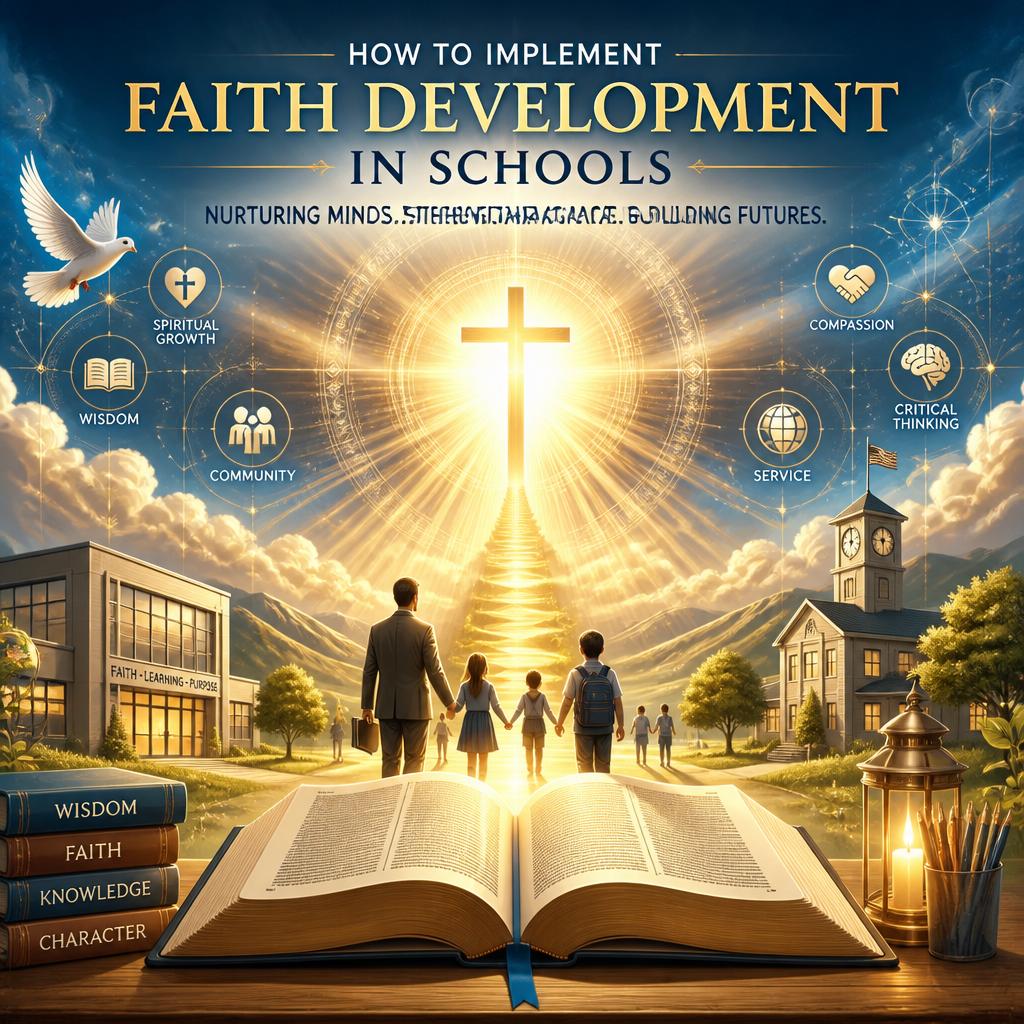
Creating a Faith-Focused Curriculum
Developing a curriculum that emphasizes faith allows educators to nurture the spiritual growth of students in a holistic manner. This can be achieved through the integration of biblical principles into various subjects. As a notable example, in science classes, discussions about the majesty of creation can prompt conversations about Genesis 1:1, where it states, “In the beginning, god created the heavens and the earth.” Not only does this encourage awe for the natural world, but it also lays a foundation for students to appreciate the Creator’s purpose. Similarly, literature classes can explore themes of redemption and morality found in biblical parables, fostering critical thinking and ethical discussions. By intertwining faith with academics, students can see their education as a journey of understanding both the world and their relationship with God.
Incorporating faith-focused experiences into daily school life is equally vital. Implementation of a weekly Chapel service can cultivate a sense of community and spiritual unity among students, reflecting Hebrews 10:24-25, which encourages believers to stimulate one another towards love and good deeds. Additionally, nurturing a culture of service aligns well with the teachings of Matthew 25:40, where serving others is equated with serving Christ. Schools can create opportunities for outreach projects that encourage students to practice their faith in real-world contexts, such as volunteering at local shelters or participating in environmental clean-up campaigns. Such practical applications help instill a sense of duty and compassion,allowing students to live out their faith actively,both in and beyond the classroom.
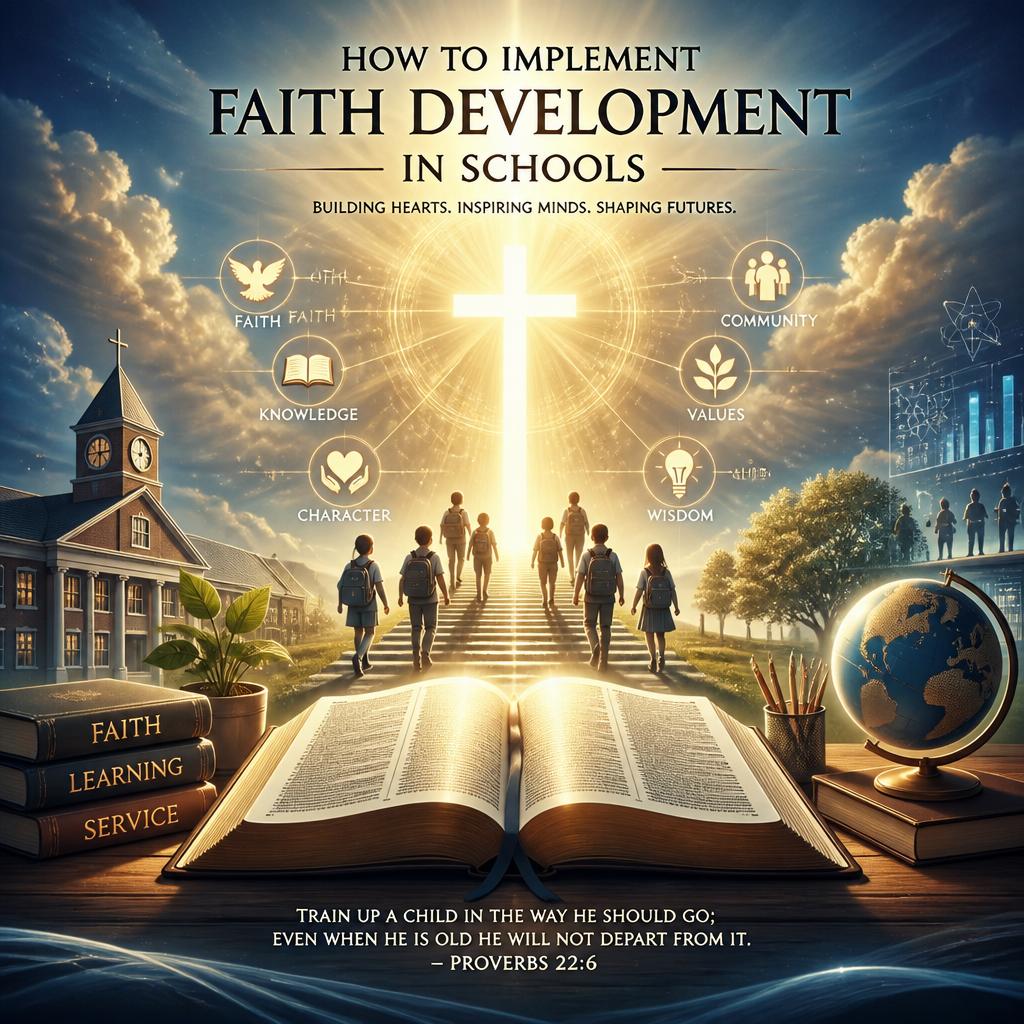
once the foundations are laid, the next step involves creating a curriculum that emphasizes faith development alongside academic growth. This entails not only including theology classes but also embedding faith perspectives in various subjects such as literature, historyand science
Creating a Holistic Curriculum
Developing a curriculum that nurtures both faith and intellect begins with a careful integration of theological principles across various disciplines. As a notable example, in literature, educators can select texts that illuminate biblical truths or moral lessons that resonate with students’ everyday experiences.This could include exploring works such as C.S. Lewis’s “The Chronicles of Narnia”, which reflects themes of redemption, sacrificeand the battle between good and evil. Each lesson can guide students to draw parallels between the characters’ journeys and their own spiritual growth, echoing the wisdom of proverbs 22:6: “Train up a child in the way he should go; even when he is old he will not depart from it.” Integrating reflective discussions and faith-based projects in these literature lessons encourages them to think critically about their beliefs in the context of God’s word.
Interdisciplinary Connections
Moreover, the curriculum should encourage students to view subjects like history and science through the lens of faith. History classes can examine pivotal moments not only from a secular perspective but also through how God’s hand influenced events and shaped nations. Engaging students with figures like William Wilberforce or the early church can help them understand the importance of faith in driving social change. in science, lessons on the wonders of creation can foster appreciation for God’s handiwork, highlighting verses such as Psalm 19:1: “The heavens declare the glory of Godand the sky above proclaims his handiwork.” By fostering dialogue around ethical considerations in scientific discoveries, teachers can guide students to reflect on their responsibilities as stewards of God’s creation. Encouraging students to ask questions, collaborate on projectsand seek God’s guidance in their studies will cultivate a robust faith that underpins their academic endeavors.
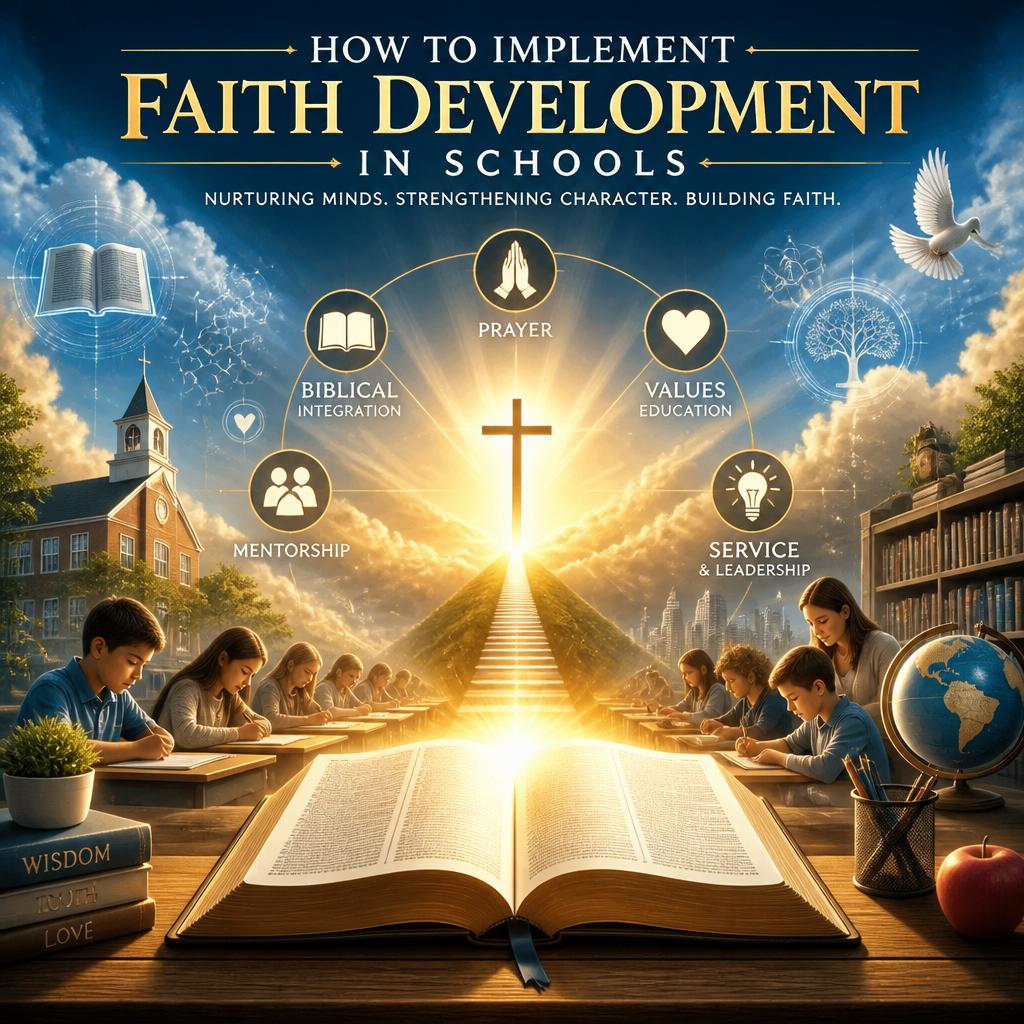
Practical Application: For example, literature classes might examine how various authors approach themes of faith and morality, while history lessons could explore the impact of faith movements on society. By weaving faith into the academic tapestry, educators can help students see the broader implications of their studies and how these relates to their faith journey
Practical Application
in literature classes, educators can delve into how various authors navigate themes of faith and morality, encouraging critical thinking as students engage with texts that reflect their own beliefs and struggles. For instance, examining works such as John Bunyan’s *The Pilgrim’s Progress* illustrates the spiritual journey of faith, paralleling the students’ personal experiences. students can discuss characters’ moral decisions, fostering a space for open dialogue about right and wrong based on biblical principles, such as those found in Proverbs 3:5-6, which encourages trusting in the Lord for guidance. By these discussions,students learn that literature not only reflects humanity’s quest for understanding but can also serve as a mirror to their own faith journeys,helping them articulate their beliefs with confidence and clarity.
In history lessons, educators can explore notable movements, such as the Great Awakening or the Civil Rights Movement, highlighting how faith galvanized social change. By analyzing figures like Martin Luther King Jr. through the lens of biblical teachings-especially his use of the Gospel for justice in Luke 4:18-19-students can witness the power of faith to transcend boundaries.Furthermore, integrating project-based learning, where students assess the impact of specific faith movements, enables them to draw connections between historical events and their community today. For example, they could develop a timeline of faith-based initiatives that have shaped their local neighborhoods, encouraging them to consider their role in the continuation of these movements and their own responsibilities as agents of change. This approach not only cultivates academic skills but also nurtures their spiritual growth, fostering leaders who act upon their convictions.
| Subject | Theme | Key Texts/Movements | Discussion Points |
|---|---|---|---|
| Literature | Faith and Morality | The pilgrim’s Progress, Essays by C.S. Lewis | Moral dilemmas, personal faith journeys |
| History | Faith Movements | The Great Awakening, Civil Rights Movement | Impact of faith on society, roles of believers |
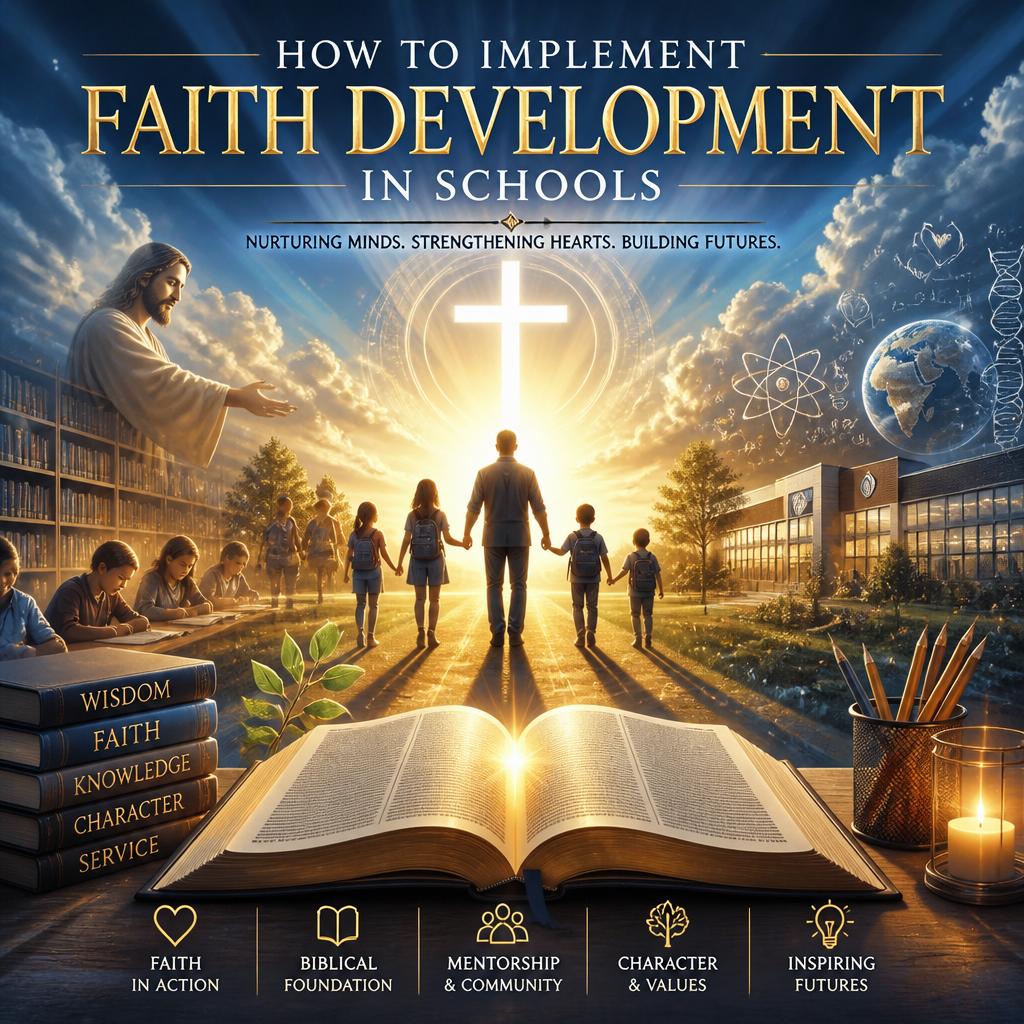
Additionally,schools can introduce service opportunities that align with academic projects,allowing students to put their learning into practice while actively participating in their communities.This could include:
Engaging Students through Meaningful Service
By integrating community service opportunities that mirror academic pursuits,educators can create a holistic learning experience that not only bolsters students’ intellectual growth but also deepens their faith. For instance,a science class could partner with local environmental organizations for conservation projects,instilling the biblical principle found in Genesis 2:15,which challenges humanity to “tend and keep” the Earth. This hands-on approach not only reinforces the importance of environmental stewardship but also offers students a platform to live out their faith by caring for God’s creation.
Creative Partnerships that Foster Growth
Schools might also explore partnerships with nonprofits to address local needs, such as food insecurity, which resonates with the call in Matthew 25:35 to feed the hungry. Organizing food drives or community kitchens as part of a social studies curriculum can encourage empathy and compassion among students. Additionally,students involved in these initiatives can track their impact through reflections or service-learning journals,enriching their understanding of Christ’s love in action. To facilitate these connections, educators can collaborate with local faith-based organizations, creating a network that amplifies these initiatives and helps students discover their unique roles in serving others.
| Academic Project | Service Opportunity | Biblical Principle |
|---|---|---|
| Environmental Science | Community Clean-Up | Genesis 2:15 |
| Social Studies | Food Drive | Matthew 25:35 |
| Health Education | Wellness Fair | 1 Corinthians 6:19-20 |
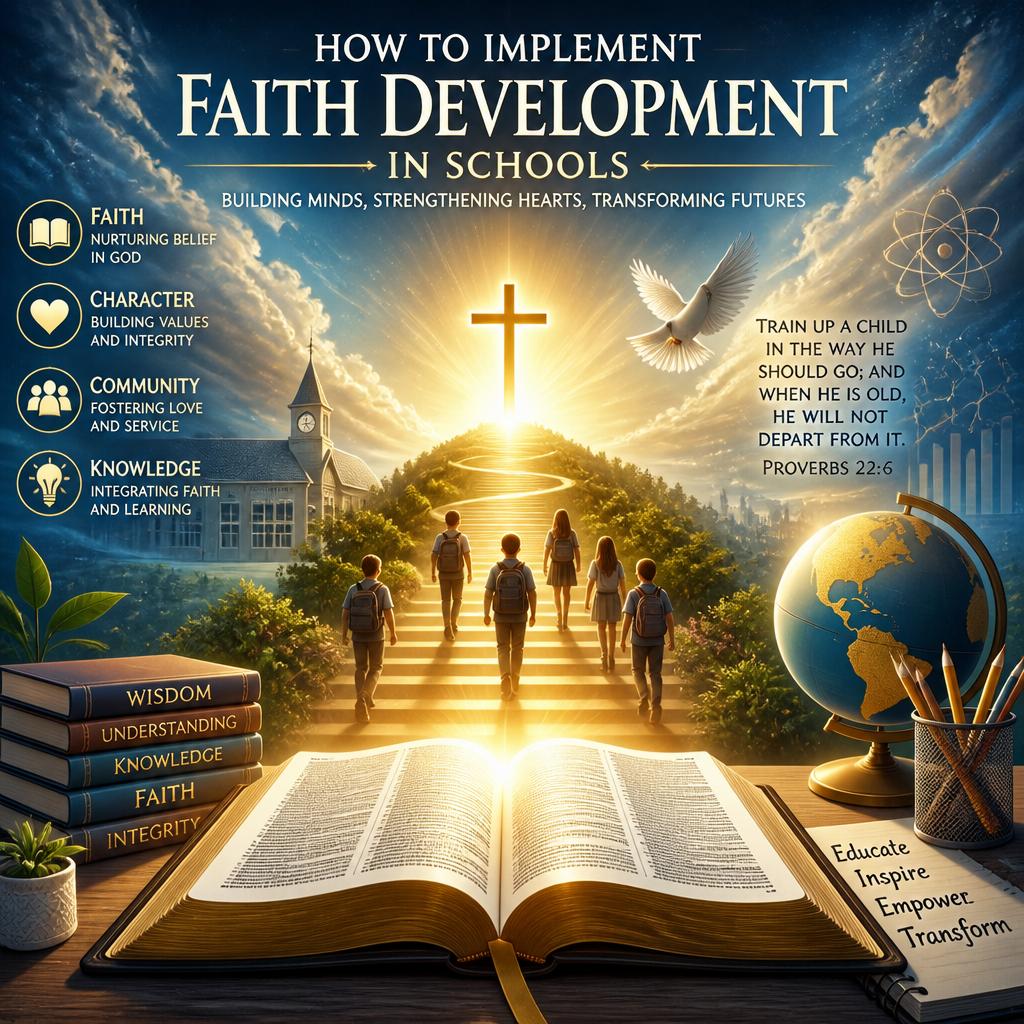
Organizing volunteer days supporting local charities
Engaging Students Through Service
One effective way to integrate faith development into the school environment is by organizing volunteer days that support local charities. This initiative not only allows students to serve their communities but also grounds them in the biblical principle of loving one’s neighbor. As it is written in Mark 12:31, “You shall love your neighbor as yourself.” By participating in hands-on projects, students learn the importance of compassion and service, embodying the teachings of Jesus.Schools can partner with various local charities, providing a rich tapestry of opportunities for students, whether they are working at food banks, participating in environmental clean-upsor visiting nursing homes. Each event can be framed as a lesson, discussing the values of kindness and stewardship while encouraging students to see themselves as active agents of change.
Building Character Through Community Service
Incorporating volunteer work into the school curriculum promotes character building and fosters a sense of community spirit among students. This serves as an embodiment of galatians 5:13, which states, “For you were called to freedom, brothers. Only do not use your freedom as an opportunity for the flesh, but through love serve one another.” By allowing students to take part in meaningful philanthropy, they learn valuable life skills such as teamwork, empathyand leadership. Schools can create a calendar for volunteer days,ensuring a variety of opportunities while encouraging students to reflect on their experiences. After each project, discussions can be held that highlight not only the impact of their service but also how such actions weave into their faith journey, reinforcing the notion that living one’s faith goes beyond the walls of a church and into the heart of the community.
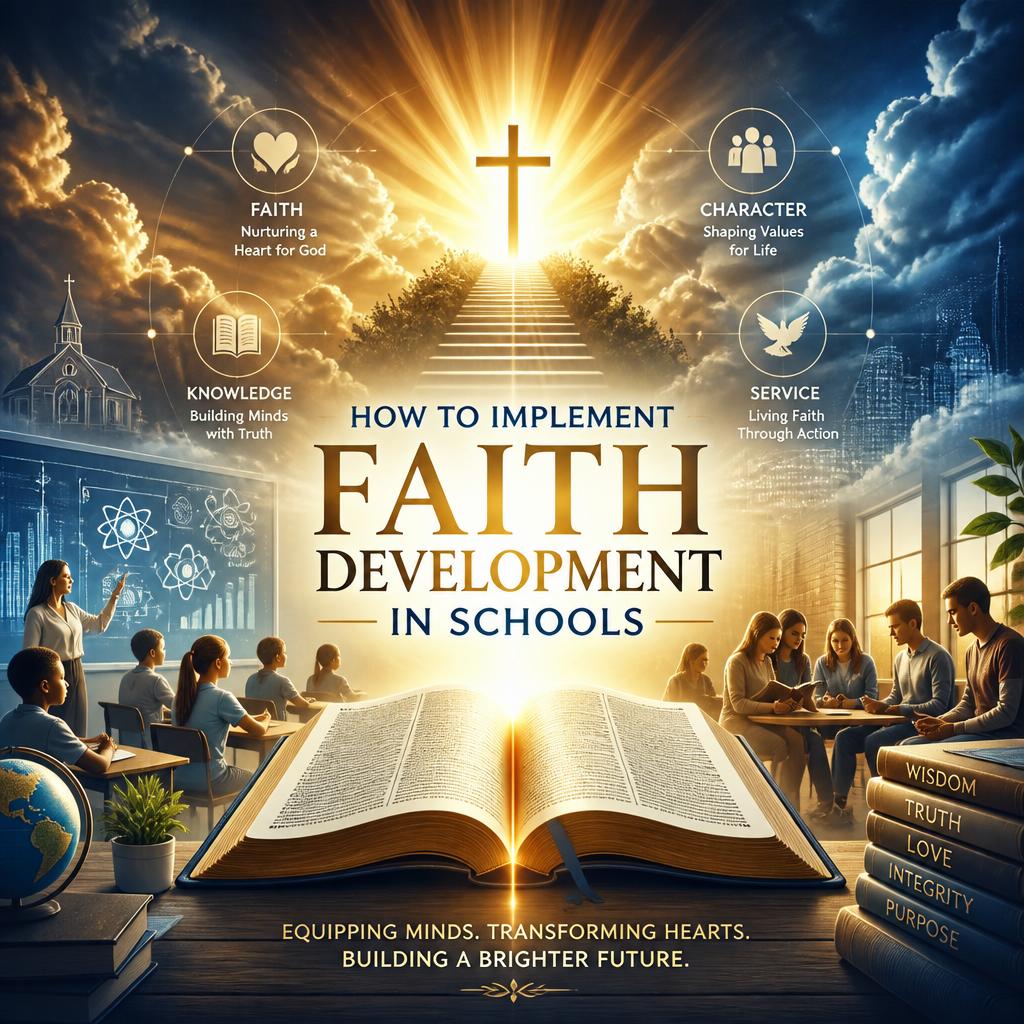
Collaborating with faith-based organizations for community outreach
When educational institutions align with faith-based organizations, they foster a lovely tapestry of community connection and spiritual growth. Such collaborations can leverage the strengths of both entities, enriching the lives of students and families alike. Programs like service projects, tutoringand community events create opportunities for students to engage with their local environment in meaningful ways. By participating in outreach initiatives, students not only learn the importance of serving others but also cultivate values akin to those expressed in Galatians 5:13, where we are reminded to serve one another humbly in love. This partnership illustrates the principle found in Ecclesiastes 4:9-10, which emphasizes that two are better than one; when faith organizations and schools unite, their combined efforts yield greater impact and connection within the community.
Additionally, the implementation of faith development through outreach programs can effectively address the social and emotional needs of students. These programs frequently enough encourage volunteerism within the local churches, allowing students to gain hands-on experiences that promote empathy, teamworkand leadership. For instance, regular activities such as food drives, mentorship programsor holiday charity events can awaken the Giving Spirit, reflecting Matthew 25:40, where serving others is akin to serving Christ Himself. By integrating discussions around these service experiences into the curriculum, educators encourage students to reflect on their blessings and responsibility towards their community, thereby deepening their faith and commitment to service as seen in James 2:14-17: “faith by itself, if it is not accompanied by action, is dead.” This synergy between educational and faith-based endeavors can mold a generation committed to values that uplift and inspire, ensuring that their faith remains vibrant and active within the community.
Encouraging students to initiate their own faith-driven projects
Empowering students to lead their own faith-driven initiatives fosters a personal connection to their beliefs and allows them to embody the teachings of Scripture in practical ways. A great starting point is to challenge them to brainstorm projects that reflect our shared values, such as community service, environmental stewardshipor advocacy for social justice. Encourage them by reminding them of 1 Peter 4:10, which encourages believers to use their gifts to serve others. Students can transform their passions into projects that make a difference, ranging from organizing food drives to initiating a prayer group that meets in their local community. This instills a sense of responsibility while affirming the Scriptural truth that we are all called to be stewards of God’s creation.
Creating an environment that nurtures initiative can be supported through structured brainstorming sessions, mentoringand collaboration. Forming small groups allows students to share their ideas and support one another, while educators can facilitate discussions about the impact of faith in action, guided by Matthew 5:16: “Let your light shine before others, that they may see your good deeds and glorify your Father in heaven.” By giving students the tools to plan and execute their own projects, we help them translate their faith into tangible acts of kindness and leadership. This not only enriches their spiritual journey but nurtures a caring and faith-filled school community where each individual’s gifts and efforts are celebrated.

Engaging the School Community in Faith Practices
In cultivating a spiritually enriching environment within schools, it’s essential to foster a sense of community that embodies faith and collaboration. One effective method is to initiate prayer groups involving students, teachersand parents. These gatherings can take place before school, during lunch breaksor after hours, with the intention of uniting hearts in prayer and intercession for the needs of the school community. As Scripture reminds us in Matthew 18:20, “For where two or three gather in my name, there am I with them.” By creating spaces for prayer, we not only deepen our reliance on God but also build meaningful relationships that reflect His love. Additionallyorganizing faith-based service projects encourages active participation, allowing individuals to put their faith into action.Projects such as community gardening,volunteering at local shelters,or organizing charity drives not only meet practical needs but also embody the teachings of James 2:17,which states,”Faith by itself,if it is indeed not accompanied by action,is dead.”
Moreover, incorporating devotional activities into the school calendar, such as monthly chapel services or themed spiritual retreats, provides vital opportunities for collective worship and reflection. These events can be designed around specific biblical themes, offering students insights into applying Scripture to their daily lives. As an example, exploring Galatians 5:22-23, which discusses the fruits of the Spirit, can be translated into real-life applications through workshops on kindness, patienceand self-control. To enhance engagement, schools can incorporate faith-sharing sessions where students and staff share personal testimonies, fostering an atmosphere of vulnerability and encouragement. One practical approach could involve creating a TABLE that lists monthly themes, scripture referencesand ways the community can participate.
| Month | Theme | Bible Verse | Activities |
|---|---|---|---|
| September | Faith and Friendship | Proverbs 27:17 | Friendship workshops |
| October | Gratitude | 1 Thessalonians 5:18 | Thanksgiving Service |
| November | Hope | jeremiah 29:11 | Vision Board creation |
| December | Joy and Generosity | 2 Corinthians 9:7 | Charity Fundraiser |
In this way,engaging the broader school community in faith practices nurtures a vibrant atmosphere where spiritual growth flourishes,heart connections are made,and lives are transformed for the glory of God.

faith development does not exist in a vacuum; it’s vital to engage the entire school community,including staff,parents,and local congregations. Schools should foster a shared commitment to exploring and supporting the faith journeys of students. This can be achieved through regular community events,shared worship experiences,and open forums for interfaith dialogues
Engaging the School Community in Faith Development
Engaging the entire school community in faith development is akin to building a sturdy bridge that connects students,staff,parents,and local congregations. Each entity plays a vital role in nurturing a holistic environment where faith can flourish. Consider organizing community events such as family-oriented faith nights or service projects, where all members come together to serve the community while deepening their relationships with God and one another. In this way, schools can serve as hubs of spiritual growth, inspired by Hebrews 10:24-25: “And let us consider how we may spur one another on toward love and good deeds, not giving up meeting together, as some are in the habit of doing, but encouraging one another.” This collaborative approach not only enhances a sense of belonging but also strengthens the faith journeys of students through shared experiences and accountability.
To further this commitment,schools should introduce shared worship experiences that reflect a variety of traditions within the faith community. Regular chapel services, interfaith dialoguesand guest speakers can provide diverse perspectives, enriching the spiritual landscape of the school. Open forums can foster respectful discussions about faith, beliefsand values, echoing the words of Proverbs 27:17: “As iron sharpens iron, so one person sharpens another.” By utilizing collaboration, we can create a supportive atmosphere conducive to deepening students’ faith. Moreover,actively involving parents and local congregations can create lasting partnerships that benefit not only students but the community as a whole. Emphasizing service and outreach, as seen in Galatians 5:13, encourages individuals to serve one another humbly in love, reinforcing the holistic role the entire community has in nurturing faith development.
Examples of Effective Community Engagement
- Organizing service projects in local neighborhoods
- Hosting interfaith prayer breakfasts to foster dialogue
- Creating workshops on faith integration in school learning
- Encouraging parental involvement in curriculum planning

Biblical Insight: In Matthew 18:20, Jesus teaches, “For where two or three gather in my name, there am I with them.” This serves as a reminder of the power of community in faith development. Schools can create opportunities for students to gather for prayer,worship,and reflection
Embracing Community in Faith Development
In the tapestry of faith,community serves as a vital thread,weaving together the hearts and minds of individuals seeking a deeper relationship with God. Jesus’ promise that He is present when even a few gather in His name emphasizes the importance of collective worship and prayer.Schools can harness this powerful message by establishing small group meetings where students can come together to pray, discuss scriptureand support one another’s spiritual journeys. For instance, hosting bi-weekly prayer circles encourages students to bond over shared beliefs, fostering an environment where faith becomes a communal experience.
Practical Structures for Faith-focused Gatherings
Creating opportunities for students to engage in faith-based activities can take various forms. Schools can initiate regular chapel services or reflective retreats that integrate worship music, scripture readingand testimony sharing. Additionally, mentorship programs can pair younger students with older peers or teachers, encouraging friendships that help navigate the complexities of faith. To further embed these practices into the school culture, consider implementing the following:
- Weekly devotional sessions led by staff or students.
- Themed discussions focused on relevant biblical topics.
- Community service projects that emphasize love and compassion, reflecting Matthew 25:40: “Whatever you did for one of the least of these brothers and sisters of mine, you did for me.”
These initiatives not only deepen individuals’ faith but also cultivate a strong sense of belonging and mutual support within the school community, reaffirming that together, they can navigate their spiritual growth in a meaningful way.

Some practical approaches include:
Implementing faith development in schools can be creatively approached through a multifaceted curriculum that integrates spiritual growth into daily learning. one effective strategy is to incorporate a weekly chapel service where students gather for worship, prayerand reflection. This communal experience not only builds a supportive faith community but also enhances students’ understanding of biblical teachings. Scripture suggests that “For where two or three gather in my name, there am I with them” (Matthew 18:20, NIV), highlighting the power of collective worship. Additionally, incorporating age-appropriate Bible study sessions can enable students to explore scripture deeply, fostering an environment where they can ask questions and share insights.
Moreover, integrating service-oriented projects into the curriculum can reinforce the concept of living out one’s faith. By organizing community service events, such as volunteering at local shelters or participating in environmental clean-ups, students can practice the teachings of Christ, who instructed us to serve others (Mark 10:45). Schools can also host faith-based discussion groups where students can engage in meaningful conversations about moral and ethical issues, drawing on biblical principles. To facilitate structured and meaningful participation,schools might consider using a framework like the following table to guide service projects and discussions,encouraging students to reflect on how their actions can bear witness to their faith:
| Service Project | Scriptural Reference | Reflection Questions |
|---|---|---|
| Volunteering at a food bank | Matthew 25:35-40 | how does serving those in need reflect your faith? |
| Community garden project | Genesis 1:28 | How can stewardship of the environment align with Christian values? |
| Visiting nursing homes | James 1:27 | in what ways can you show love to the elderly in our community? |

Hosting monthly faith-sharing events where students and parents can share their faith stories
Creating a Space for Sharing
Hosting monthly gatherings that invite students and parents to share their faith stories can become a transformative experience within the school community. These events provide a platform for individuals to recount their personal journeys, fostering deeper connections among families and encouraging vulnerability in a supportive environment. As Hebrews 10:24-25 reminds us, we are called to “consider how we may spur one another on toward love and good deeds, not giving up meeting together.” Creating an atmosphere of openness encourages participants to listen, reflectand learn from each other’s unique experiences of faith.
Practical Steps to Organize
To ensure the effectiveness of these gatherings, consider implementing a structured format that includes time for sharing, discussionand prayer. Here’s a simple outline to guide your events:
- Opening Prayer: Set the tone by inviting the Holy Spirit into the gathering.
- Story Sharing: Allow 3-5 students or parents each month to share their stories, focusing on key moments that shaped their faith.
- Reflection Time: Break into small groups for members to discuss takeaways and how they can apply these insights in daily life.
- Closing Prayer: Conclude with a prayer of thanksgiving and a plea for continued growth in faith.
Real-life applications can stem from these gatherings; encourage participants to reach out to someone whose story resonates with them, fostering relationships beyond the school walls. as 1 Thessalonians 5:11 states, “Therefore encourage one another and build each other up.” Utilize these events to equip families with the tools necessary to navigate their spiritual journeys together, promoting a culture of active faith development within the community.

Collaborating with local churches to provide mentorship or internship programs focused on faith and service
Mentorship Programs: Bridging Faith and Service
collaborating with local churches opens doors for enriching mentorship and internship programs that align with students’ spiritual and social development. By bringing together educators, church leadersand community members, schools can foster an environment where young people are encouraged to explore their faith while actively serving the community. Platforms such as after-school programs or weekend service initiatives can allow students to apply their learning in real-world contexts, discovering how their spiritual gifts can make a tangible difference. 1 Peter 4:10 reminds us, “Each of you should use whatever gift you have received to serve others, as faithful stewards of God’s grace in its various forms,” encapsulating the purpose behind these programs.
Schools can engage students in various service projects that emphasize the importance of faith in action. As a notable example, programs may include organized outreach efforts like food drives, community clean-upsor tutoring younger children in local neighborhoods. Inviting church mentors to guide these projects can provide invaluable opportunities for spiritual growth and practical life skills. As students work alongside mentors, they can learn vital lessons about compassion, teamworkand leadership that resonate with the teachings of Jesus. The journey of discipleship underscores mentoring, as illustrated in Titus 2:7-8, where teaching and living out faith is essential for both mentors and participants to grow in character and conviction. The impact of these collaborative efforts can sow seeds of faith that flourish within the community, fostering a culture of service that endures throughout their lives.

Beginning each school year with a communal assembly centered on establishing a mission for faith development
setting the Tone for Faith Development
in the spirit of unity and purpose, starting the school year with a communal assembly serves as an integral launchpad for faith development. This gathering should be a time for families, educatorsand students to gather, share experiencesand set their hearts and minds on a collective mission for the year ahead. As emphasized in Colossians 3:23, “Whatever you do, work heartily, as for the Lord and not for men.” this assembly can include prayers, worshipand testimonials of faith, inviting the community to reflect on their spiritual journey together. Encourage attendees to share stories of how faith has impacted their lives, creating a tapestry of shared beliefs and fostering a sense of belonging. Providing opportunities for students to participate actively can deepen their commitment and understanding of the school’s mission.
Establishing a Faith-Centered Mission Statement
An essential element of these assemblies is the development of a faith-centered mission statement that captures the essence of the school’s commitment to spiritual growth. Collaborate with students, parentsand faculty to articulate a vision that resonates with the community’s shared values. Workshops can be organized during the assembly where groups brainstorm and contribute phrases reflecting their aspirations, grounded in scripture.As an example, phrases like “nurturing minds and hearts in Christ” or “growing in faith and knowledge” can stem from Ephesians 4:15, which encourages growing in every way more like Christ. This mission statement serves as a guiding beacon throughout the year, reminding everyone of their collective commitment to foster a nurturing, faith-filled environment. Utilize visual displays in common areas to reinforce the message, ensuring it remains at the forefront of the school experience.
- Emotional Connection: Share personal testimonies during the assembly.
- Active Participation: Encourage students to lead prayers or hymns.
- Visual Reminders: Create posters with the mission statement around school premises.

Evaluating and Adapting Faith Development Initiatives
To ensure that faith development initiatives resonate with students, it’s essential to establish a framework for ongoing evaluation. This involves collecting feedback from students, teachersand parents about the effectiveness of the programs. As Proverbs 27:17 states, “Iron sharpens ironand one man sharpens another.” Create an open environment where individuals feel free to express their insights on the initiatives’ impact on their spiritual growth. Regular surveys, focus groupsand discussions can aid in this process, enabling educators to discern what elements foster faith and what may require reevaluation. Consider categorizing feedback into themes such as engagement, comprehensionand application of faith principles in daily life.
In addition to assessment, adaptation is crucial for sustaining interest and relevance within faith development initiatives.Adapt programs based on evaluated outcomes and the ever-changing dynamics of student needs and societal contexts. Incorporating diverse teaching methods, such as storytelling, service projectsand interactive discussions, can enhance engagement. Galatians 6:9 reminds us, “And let us not grow weary in doing good, for in due season we will reap, if we do not give up.” Embrace innovative approaches like integrating technology or community partnerships to foster deeper connections to faith. Here’s a suggested framework for evaluating and adapting these initiatives:
| Evaluation Criteria | Method of Assessment | Adaptation Strategies |
|---|---|---|
| Engagement Level | Surveys and Observation | Dynamic Learning Activities |
| Faith application | Focus Groups | Service Initiatives |
| Comprehension | Quizzes and Reflections | Discussion Circles |
Incorporating these evaluative and adaptive frameworks within school settings not only cultivates a robust culture of faith development but also aligns with the biblical mandate to encourage and support one another on our spiritual journeys.
The final aspect of implementing faith development in schools is the ongoing evaluation and adaptation of initiatives. Schools must be committed to assessing how well faith development is resonating within their community and making adjustments based on feedback. This reflection ensures that all efforts remain relevant, impactfuland aligned with the best practices in both education and spiritual formation
Ongoing Evaluation and Adaptation
The commitment to evaluate and adapt faith development initiatives is paramount in ensuring that they are effectively meeting the needs of the community. Schools should establish a structured feedback loop that includes students, parentsand faculty, fostering an atmosphere where open dialogue is encouraged. By regularly gathering insights on the resonance of faith-based programs, schools can identify strengths and areas for improvement. This practice aligns with proverbs 27:17, which states, “As iron sharpens iron, so one person sharpens another.” By leveraging collective wisdom, schools can refine their approaches to spiritual formation, creating a more profound and transformative impact.
Implementing Structured Feedback Mechanisms
To facilitate this process, schools can employ an array of assessment methods, ranging from surveys to focus groupsand can even integrate informal discussions into classrooms. An effective way to visualize this feedback is through regular evaluation tables that track satisfaction ratings and suggestions for improvement. Here’s an example:
| Initiative | Satisfaction Rating (1-5) | Strengths | Areas for Improvement |
|---|---|---|---|
| weekly Chapel services | 4.2 | Engaging speakers,Community building | Incorporate more student-led sessions |
| Faith Integration Workshops | 3.8 | Practical application of faith | Provide more resources and follow-ups |
| Service Projects | 4.5 | Hands-on community impact | Expand to include diverse community partners |
Moreover, as schools reflect on the outcomes of these initiatives, they must also be prayerfully discerning and open to the leading of the Holy Spirit. As Ecclesiastes 3:1 reminds us, “there is a time for everythingand a season for every activity under the heavens.” Schools should embrace the dynamic nature of faith development,recognizing that change can foster growth not only in students but also in the entire community. Frequent evaluation ensures that programs remain lively and relevant, encouraging students to engage fully with their faith journey.
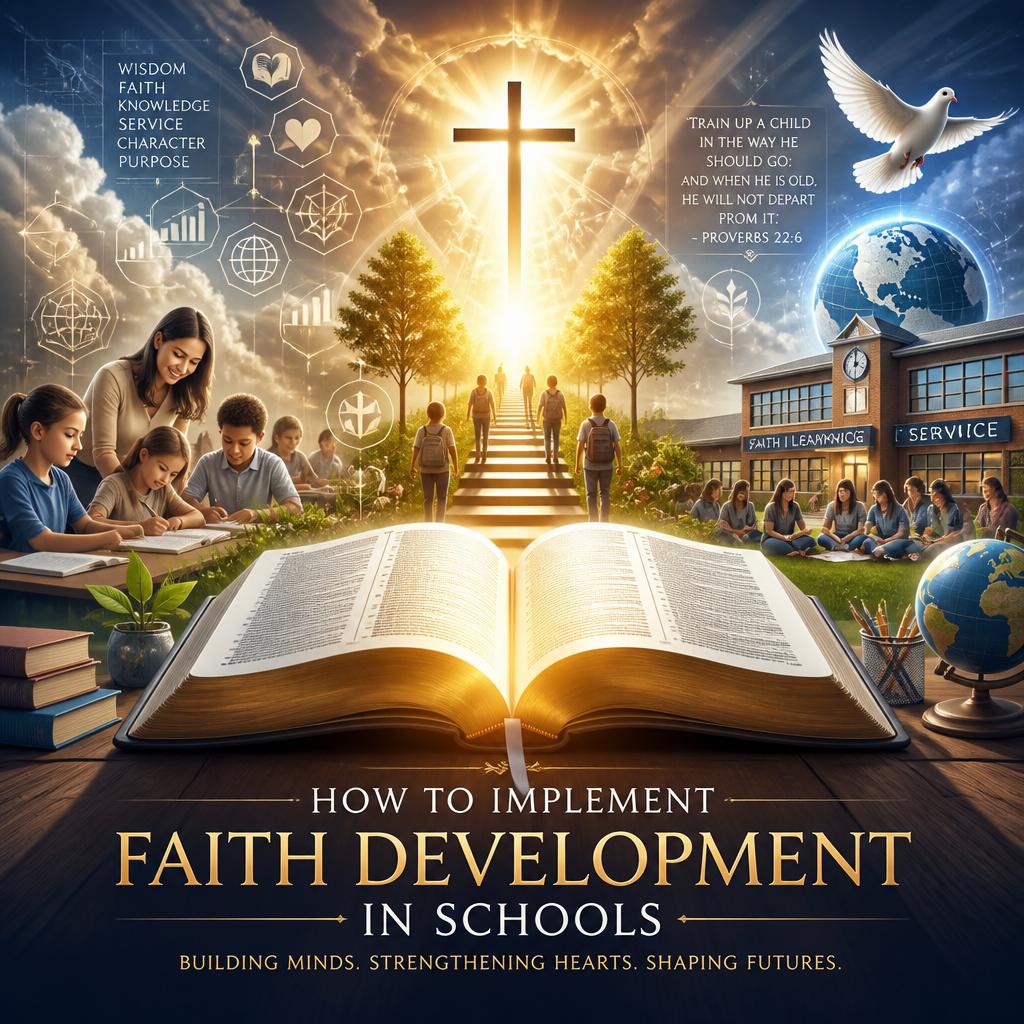
Strategies for Evaluation:
Strategies for evaluation
To effectively assess the implementation of faith development in schools, it is crucial to establish a set of measurable outcomes that align with biblical teachings and educational goals. Begin by creating a framework for evaluation that includes spiritual growth indicators, such as students’ engagement in prayer, scripture memorizationand participation in community service projects. Incorporate tools like surveys and reflective journals, asking students to articulate their understanding of faith principles and their application in daily life. As stated in Proverbs 22:6, “Train up a child in the way he should go; even when he is old he will not depart from it.” This highlights the importance of not only teaching faith but also evaluating its long-term impact on student character and behavior.
In addition to quantifiable metrics, the qualitative aspect of evaluation is equally vital. Foster an open dialogue among students, teachersand parents to gather insights and experiences related to faith development. Implement regular meetings where stakeholders can discuss feedback and identify challenges in fostering a supportive environment. Encourage students to share testimonies of how their faith has influenced their decisions and relationships. As Romans 12:2 encourages, “Do not be conformed to this world, but be transformed by the renewal of your mind,” it is essential to continuously adapt curriculum and activities that reinforce transformative experiences. Creating a culture of evaluation that celebrates spiritual milestones while addressing areas for growth fosters a vibrant faith community within schools.
| evaluation Criteria | Measurement tool | Frequency |
|---|---|---|
| Student Engagement in Prayer | Surveys | Quarterly |
| Scripture Memorization | Weekly Quizzes | Monthly |
| Participation in Community Service | Activity Reports | End of Semester |
| Feedback from Parents and Teachers | Focus Groups | Biannually |
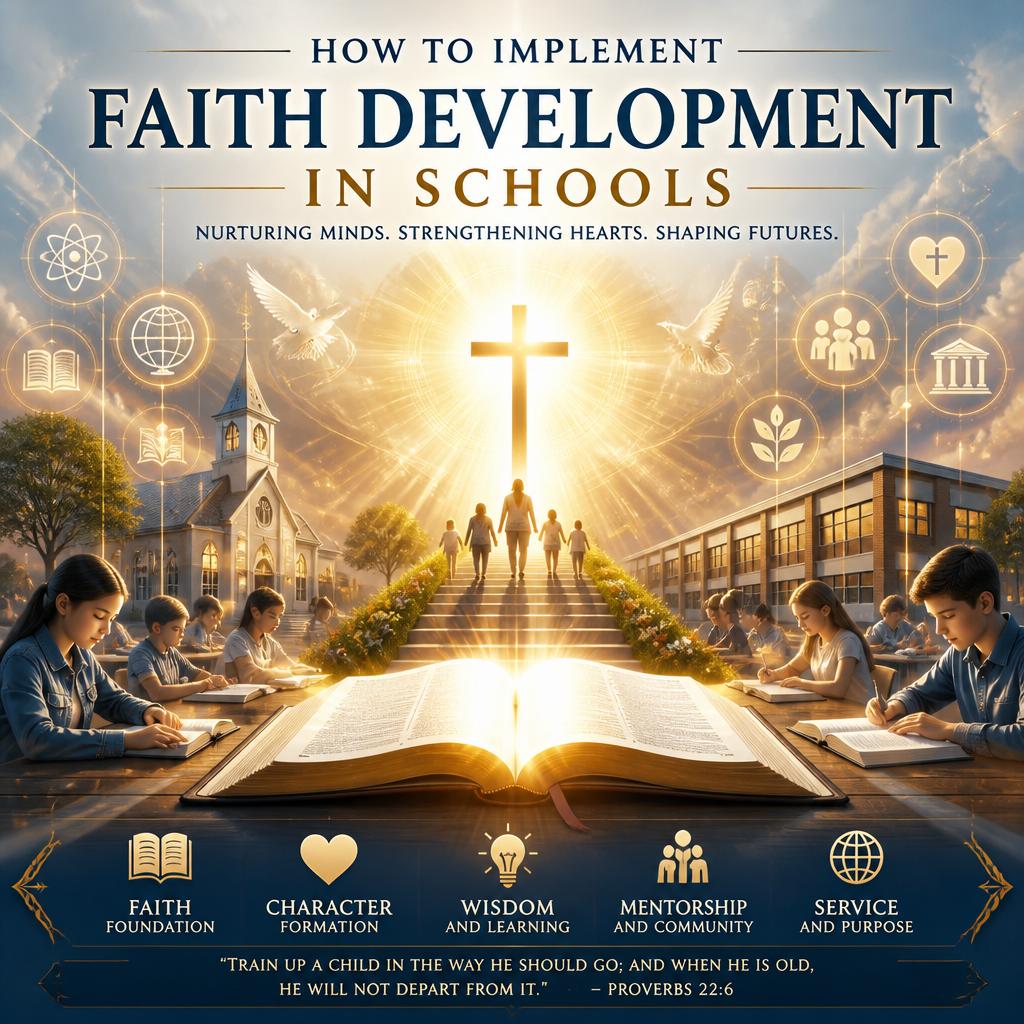
Conducting surveys with students, parentsand faculty to gather input on faith-related programs
Engaging the Community for Insight
Conducting surveys among students, parentsand faculty is a vital step in establishing programs that reflect a shared faith journey. by actively engaging these groups, schools can create an atmosphere of inclusivity and collaboration. A well-structured survey can solicit valuable insights regarding spiritual needs, desired resourcesand personal experiences with faith. Consider asking questions that explore the importance of faith in students’ lives, how parents envision the role of spirituality in educationand faculty’s perspectives on integrating faith-based principles within academic subjects. As Proverbs 15:22 reminds us, “Plans fail for lack of counsel, but with many advisers they succeed.” Therefore, involving the broader community not only fosters a sense of ownership but also enriches the program’s theological foundation.
Types of Survey Questions
To gather meaningful feedback, a range of questions can be formulated. Here are some examples of question types that can be included in the survey:
- Likert Scale Questions: Rate the importance of faith-based programs on a scale of 1 to 5.
- Multiple Choice Questions: What type of faith programs would you prefer? (e.g., Bible studies, prayer groups, community service)
- Open-Ended Questions: In what ways do you think faith can enhance our school’s learning environment?
Utilizing these question types allows for quantitative and qualitative data that can be analyzed to develop programs that align closely with community expectations. In Matthew 7:7,we are reminded that “Ask,and it will be given to you; seek,and you will find.” By earnestly seeking the input of all stakeholders,schools can discover innovative ways to implement faith embedded in both curricula and culture,leading to holistic student development.
Using focus groups to discuss areas of strength and opportunities for growth in faith initiatives
Exploring the Strengths and Opportunities of Faith Initiatives
Utilizing focus groups can be a transformative method to identify both the areas of strength and opportunities for growth within faith-related initiatives in schools. By gathering a diverse group of students, educatorsand parents, you can facilitate an open dialogue that encourages sharing experiences and insights. scripture reminds us that iron sharpens iron (Proverbs 27:17), emphasizing the value of collaborative discussions in fostering spiritual growth.This process can unearth valuable perspectives: perhaps some students feel a strong connection through fellowship activities, while others may express a desire for more Bible study sessions. These insights not only inform future programming but also help tailor initiatives to meet the spiritual needs of the community.
In the spirit of collective wisdom, it is crucial to create an environment where every participant feels valued and heard. Organizing sessions around specific topics such as service projects, worship stylesor mentorship opportunities can direct conversations toward actionable solutions. Encouraging participants to share their testimonies can also inspire others and reinforce the notion of community in faith (Revelation 12:11). As these groups discuss various faith initiatives, documenting their feedback in a structured format-like a table that highlights key strengths and desired improvements-can provide clarity and guide decision-making. Emphasizing transparency and inclusivity in these discussions not only strengthens the initiatives but also cultivates a culture of faith where everyone feels connected and empowered.
| Focus Group Topic | Strengths Identified | Areas for Growth |
|---|---|---|
| service Projects | High student involvement | More diverse project types |
| Worship Styles | Varied musical offerings | Need for youth engagement |
| Faith Mentorship | Strong relationships formed | Expand mentor training programs |

setting measurable goals for faith development and regularly reviewing progress towards these goals
Implementing measurable faith development goals in schools can transform the spiritual atmosphere within the educational environment. Goals should be grounded in Scripture and reflect the character of God, propelling students towards deeper convictions and practices. For instance,a school might aim for each student to read a chapter from the Bible weekly,encouraging both individual reflection and collective discussion in class. Philippians 3:14 reminds us to “press on toward the goal for the prize of the upward call of God in Christ Jesus,” emphasizing the importance of setting aspirations that not only enrich the students’ faith but also build community among them.
To ensure the effectiveness of these goals, it’s crucial to regularly review the progress of students through structured assessments and personal reflections. Schools can create a simple tracking table to monitor engagement and experiences, which may include columns for student name, goal set, progress notesand next steps. This will help students see their growth over time and encourage them in their journey.Additionally, incorporating accountability partners, such as peers or mentors, can foster a supportive environment that reflects Hebrews 10:24-25, calling us to spur one another on toward love and good deeds. By celebrating milestones and assessing challenges,schools can nurture an environment where faith can flourish robustly and purposefully.
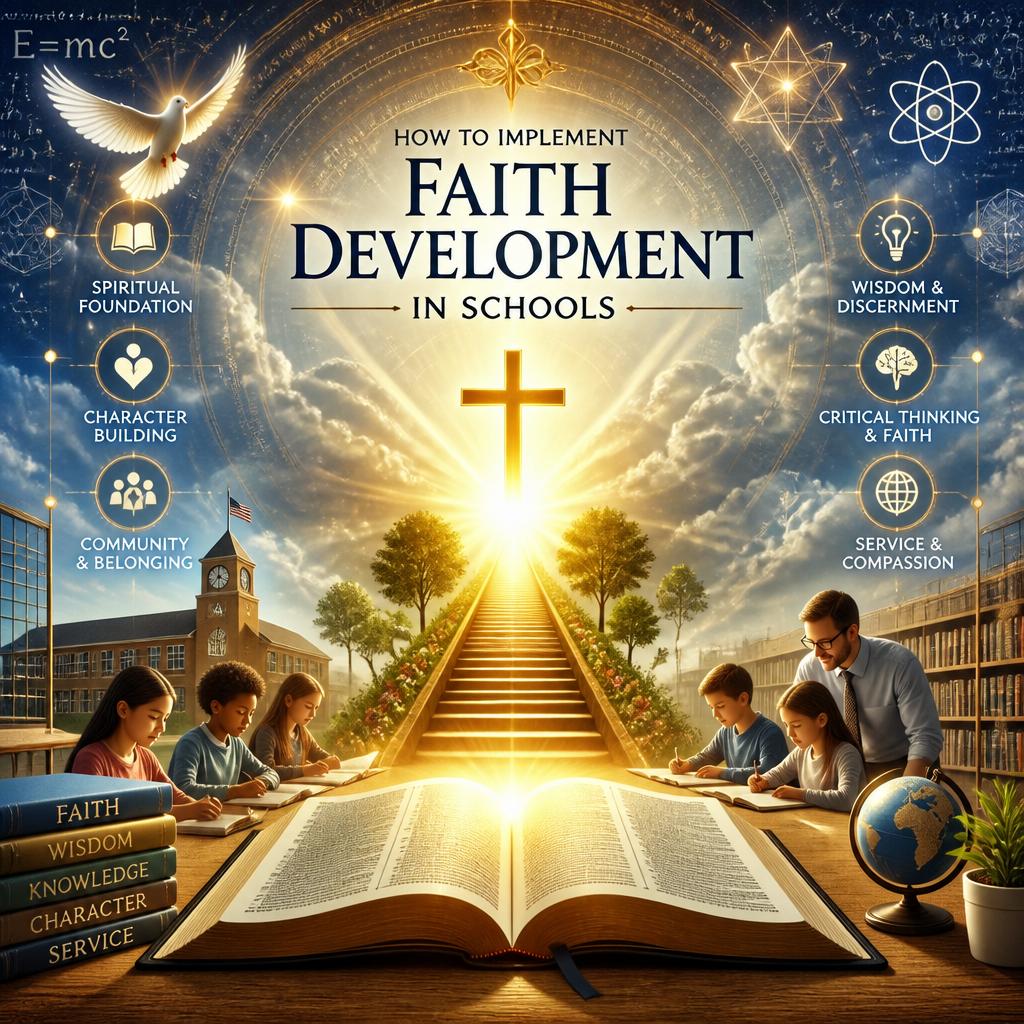
Incorporating continuous feedback allows schools to remain responsive to the ever-changing needs of their students and community, ensuring that faith development remains a vibrant and transformative part of their education process
Embracing a Feedback Framework for Faith Development
In order to cultivate a rich environment where faith can flourish, schools must embrace a culture of continuous feedback. This practice allows educators to align their teaching methods and programmatic offerings with the spiritual and personal growth needs of their students. Just as proverbs 27:17 states, “Iron sharpens iron, so one person sharpens another,” fostering an atmosphere where students, teachersand families actively participate in discussions about faith ensures everyone involved drives each other towards growth and development.Implementing surveys, focus groupsand open forums can empower students to voice their spiritual questions and challenges, helping school leaders tailor programs that resonate deeply with their community’s spiritual fabric.
To further enhance this approach, schools can establish regular touchpoints reflecting on the theological insights gained from community feedback. As an example, incorporating thematic lessons such as community service, prayerand discipleship can provide diverse opportunities for students to apply their faith in tangible ways. Ecclesiastes 4:9 reminds us that “Two are better than one, because they have a good return for their labor.” By working collaboratively with families and local churches, schools can create dynamic partnerships that enable transformational experiences, molding not just students’ academic lives but their spiritual journeys as well.A table outlining these collaborative faith initiatives can serve as a useful roadmap for development:
| Faith Initiative | Frequency | Key goals |
|---|---|---|
| community service Projects | Quarterly | Engage in local outreach |
| prayer Circles | weekly | Foster a sense of community |
| Discipleship Workshops | Monthly | Deepen biblical understanding |
| Family faith Nights | Bi-monthly | Encourage family involvement in faith |
The Way Forward
As we draw the curtains on this exploration of implementing faith development in schools, it’s clear that the journey is one of depth and momentum. By weaving together the threads of spiritual growth,ethical understanding,and community engagement,educators and administrators have the remarkable opportunity to shape not only the minds but also the hearts of their students.
Faith development within educational settings does not mean endorsing a specific belief system; rather, it celebrates a tapestry of values, helping to forge connections that transcend cultural and religious boundaries. By fostering open dialogues, encouraging reflectionand creating environments where students can safely explore their beliefs and values, schools can nurture a holistic education that prepares young minds for a complex world.
Ultimately, the goal is to cultivate a generation that is not only academically equipped but also spiritually aware and socially responsible. As we think about the future of education, let us strive to make faith development an integral part of that vision-creating spaces where all students can thrive and grow, both intellectually and spiritually. The canvas is vast and vibrant; let us paint it with intention and compassion.