In an era where questions of faith and existence resonate louder than ever, the quest for a deeper understanding of theology has become not just a personal journey but a collective necessity. Whether you are a seasoned scholar,a curious seeker,or someone simply intrigued by the rich tapestry of religious thought,the right books can illuminate the shadows of doubt and enrich your spiritual landscape. This exploration will navigate through a curated selection of the best texts that challenge, inspireand provoke thought, providing readers with the intellectual tools to engage with the profound mysteries of the divine, humanityand the universe. Join us as we delve into these transformative works that have shaped theological discourse and continue to offer insights for contemporary faith-based inquiries.
The Importance of Theological Engagement
The process of engaging deeply with theology is vital for nurturing a robust faith and fostering discernment in a world laden with competing ideologies. As Paul urges in Romans 12:2, believers are called to “be transformed by the renewing of your mind.” The theological pursuit invites Christians into a rich exploration of the Scriptures,encouraging not only personal growth but also a collective understanding within the Church. Through the study of foundational texts, seekers can develop a worldview that aligns with biblical truths, enabling them to navigate life’s complexities with wisdom and clarity. This engagement cultivates an thankfulness for doctrines that define the faith, allowing individuals to articulate the essence of the Gospel and share it compellingly with others (1 Peter 3:15).Moreover, delving into theological literature serves as a means of unity among believers, creating conversations that bridge denominational divides. Encountering diverse but biblically grounded perspectives fosters an surroundings of mutual respect and learning. As the early Church exemplified in Acts 2:42, devotion to teaching, fellowshipand the breaking of bread laid the foundation for spiritual vitality among believers.Thus, immersing oneself in quality theological writing can lead to practical applications, such as engaging in meaningful discussions, leading small groups with confidenceor even mentoring others in their faith journeys. Here, we witness the intertwining of knowledge and action, where understanding translates into service, enabling the body of Christ to fulfill the call to love and serve others effectively (James 1:22).
- Deep theological engagement enhances spiritual formation.
- It equips believers to discern truth from falsehood.
- Fosters a sense of community through shared understanding.
- Encourages practical applications of biblical principles in everyday life.
Deepening theological understanding is crucial not only for individual faith development but also for cultivating a robust community of believers. Engaging with theology invites us to explore the nature of God, the narrative of redemptionand the ethical implications of faith in our daily lives. The challenge often lies in balancing scholarly study with practical application.As Paul wrote in 2 Timothy 3:16-17, “All scripture is God-breathed and is useful for teaching, rebuking, correctingand training in righteousness.” This underscores the relevance of informed theological inquiry in nurturing maturity among believers
Exploring the Nature of god
To deepen our understanding of theology is to embark on a journey that leads us closer to the heart of God. As we engage with the scriptures, we discover the multifaceted nature of the Creator: His sovereignty, loveand justice. Theological texts such as “knowing God” by J.I. Packer provide rich insights into God’s attributes, allowing believers to grasp the immensity of His character and His intimate involvement in our lives. Such engagement not only enriches personal faith but also helps us cultivate a community that reflects the image of Christ. Ephesians 4:15 exhorts us to “speak the truth in love,” reminding us that our theological discussions should ultimately serve to build one another up in faith.
The Narrative of redemption and Ethical Implications
The Bible offers a cohesive narrative of redemption, showcasing God’s pursuit of humanity through the ages. “The Drama of Scripture” by Craig Bartholomew and Michael Goheen highlights this grand narrative, encouraging readers to see their lives as integral to the unfolding story of salvation. By studying these texts, individuals are better equipped to engage ethically in a world that often questions the relevance of faith. For example, applying Colossians 3:23, which states, “Whatever you do, work at it with all your heart, as working for the Lord,” illustrates how theological understanding informs our actions, relationshipsand decision-making. As we embody these principles, we not only grow closer to God but also reflect His grace and truth in our communities.
Studying theology equips Christians to better understand their faith and articulate it in meaningful ways. Books that encourage this growth act as guides for personal reflection and communal dialogue
Books That Deepen Theological understanding
Engaging with theological literature allows believers to wrestle with profound truths and explore the divine character of God. Works like “Mere Christianity” by C.S. Lewis invite readers into deep reflection on the essence of faith and morality, encouraging them to recognize the heartbeat of Christianity as a relational experience with God. As Lewis writes,”Christianity asserts that every human being is made for a relationship with God.” This viewpoint not only deepens one’s understanding but cultivates the ability to communicate faith authentically with others. Through personal contemplation of such texts, Christians can gain new insights that reflect the heart of 1 Peter 3:15, which calls us to always be prepared to give an answer to everyone who asks us to give the reason for the hope that we have.
Engaging with Community Through literature
Moreover, group discussions based on theological texts can enhance communal dialogue and foster spiritual growth. Resources like “The Cost of Discipleship” by Dietrich Bonhoeffer challenge us to consider what it means to live in genuine obedience to Christ, illuminating passages such as Luke 9:23, where Jesus calls us to take up our cross and follow Him. As members of a faith community engage in these conversations, they not only sharpen one another’s understanding but also foster accountability and encouragement.Creating spaces where such literature is discussed can lead to transformative learning experiences, small groupsor book clubs that allow for diverse perspectives and deepen each member’s commitment to living out the teachings of the Gospel in their everyday lives.
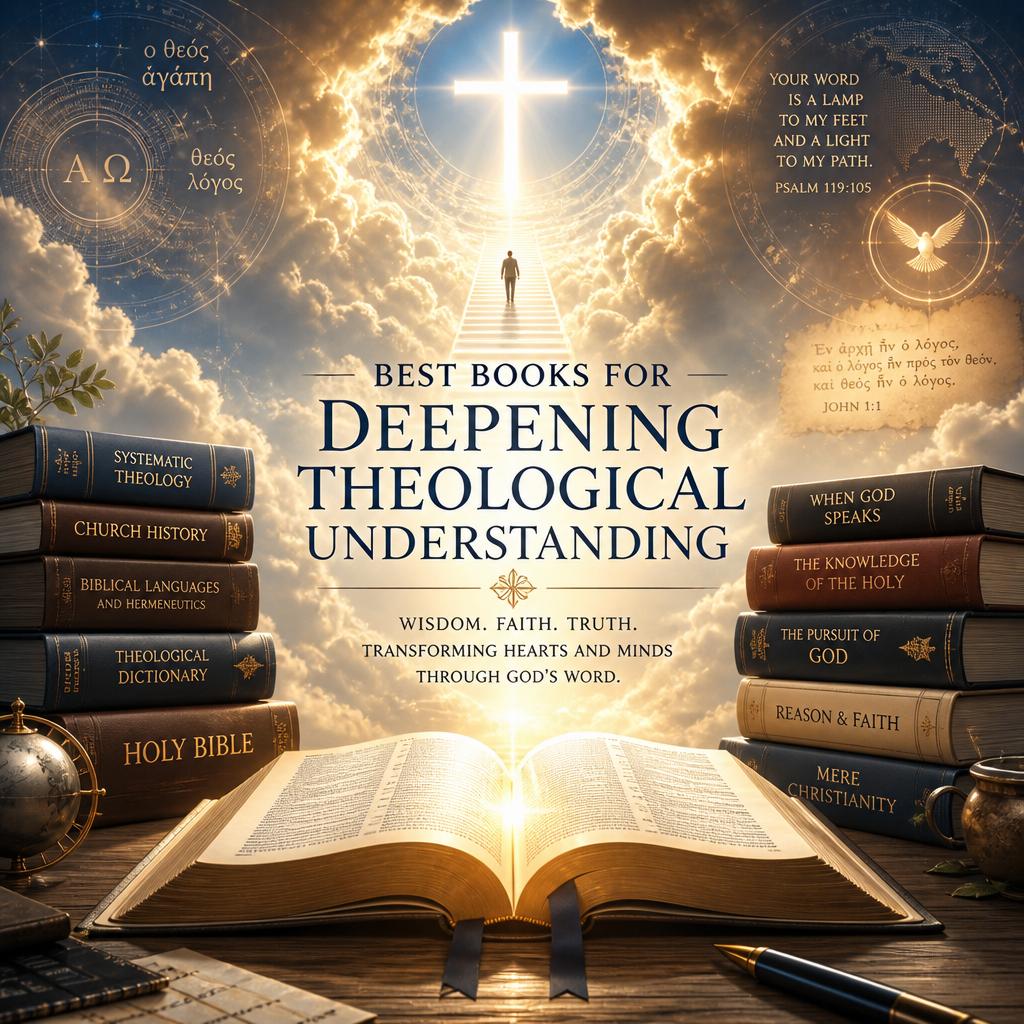
Recommended Theological Texts for Lay Readers
Engaging with foundational texts can greatly enrich one’s understanding of faith and encourage a deeper spiritual journey. One exemplary book is “Mere Christianity” by C.S. Lewis, which explores core Christian beliefs with clarity and simplicity. Lewis, through his masterful prose, invites readers to grapple with the essence of Christianity, making it a perfect entry point for those unfamiliar with theological concepts.Moreover, “The Meaning of Marriage” by Timothy Keller not only delves into the biblical principles of marriage but also offers practical insights for nurturing relationships in a world increasingly at odds with covenantal commitments.As you read, consider 1 Corinthians 13:4-7, which highlights the attributes of love that form the cornerstone of marital unity.
another noteworthy resource is “Knowing God” by J.I. Packer, a profound exploration of God’s nature that encourages readers to forge a personal relationship with the creator. Packer eloquently expresses how understanding God’s character, as seen in Philippians 4:19, can reshape our outlook on life’s challenges, assuring us that he provides for our needs. Additionally, for those interested in the historical context of Christian theology, “the Story of Christianity” by Justo L. González serves as a captivating narrative of the Church’s journey. This book emphasizes the importance of historical awareness in understanding today’s faith landscape. Consider accompanying your reading with personal reflections, perhaps journaling your thoughts on how these insights resonate with your journey of faith.
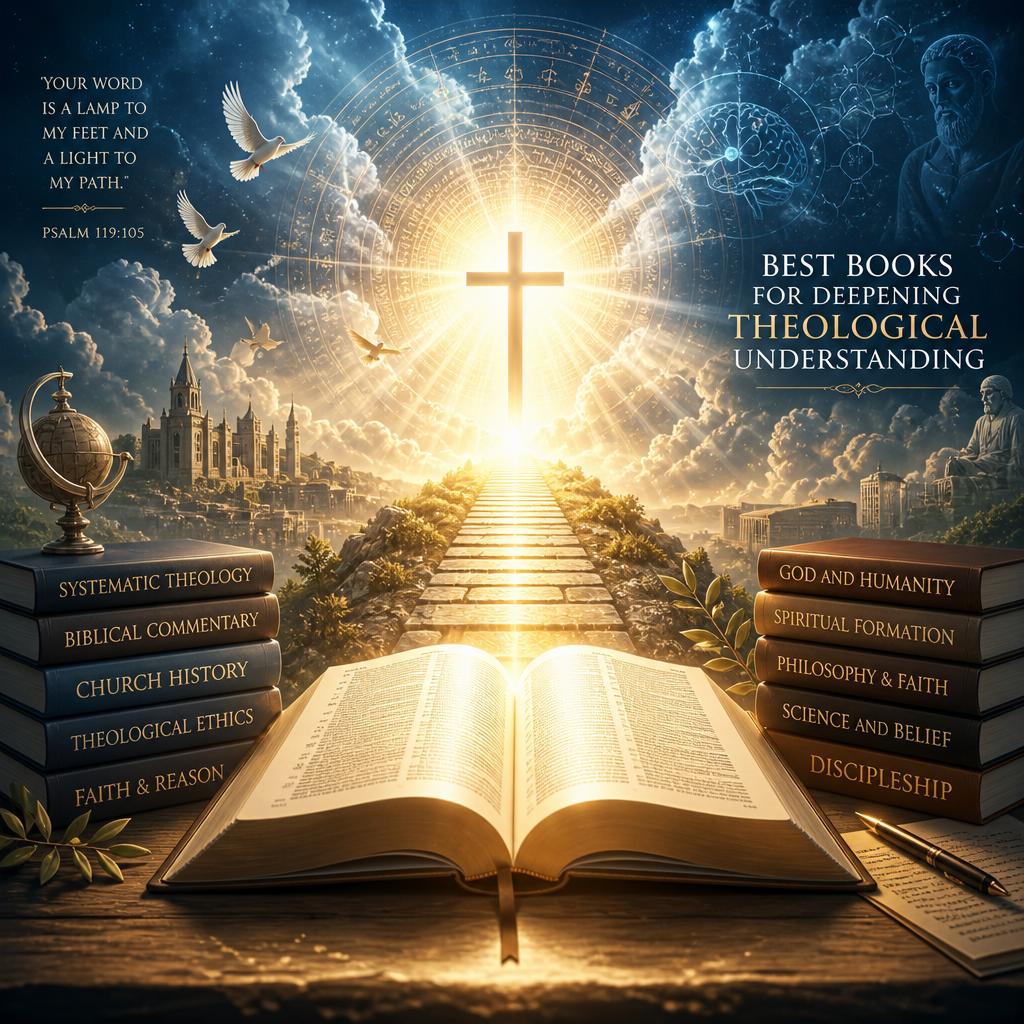
For those new to theology or seeking to enhance their understanding without getting bogged down in heavy jargon, several accessible texts serve as excellent entry points:
Accessible Texts for Theological Exploration
For those looking to explore the depths of theology without wading through dense academic language, several texts stand out as extraordinary resources. The Case for Christ by Lee Strobel is an engaging examination of the foundational truths of Christianity, combining investigative journalism with theological inquiry. The author’s journey from skepticism to faith illustrates the transformative power of Christ, echoing the essence of John 14:6, where Jesus declares, “I am the way and the truth and the life.” This book not only invites curiosity but encourages readers to seek truth and provides a solid framework for understanding key theological concepts.
Another remarkable resource is Mere christianity by C.S. Lewis, which effectively distills complex ideas into accessible prose. Lewis, a master of engaging dialogue on faith, presents a rational case for Christianity that resonates with both believers and seekers.His insights encourage introspection and challenge us to live out Matthew 5:16, “Let your light shine before others, that they may see your good deeds and glorify your Father in heaven.” Joining such texts on your reading list engages the heart and mind, fostering a deeper appreciation of God’s nature and our role in His divine story.

The Purpose Driven Life by Rick Warren – a book that merges biblical teachings with practical life applications, emphasizing the importance of living out one’s faith purposefully
The purpose Driven Life: A Journey Toward Fulfillment
In an era where many search for meaning amidst chaos, this book serves as a refreshing guide grounded in timeless biblical truths. Rick Warren meticulously explores five basic purposes that give life meaning-worship, ministry, evangelism, fellowshipand discipleship. Each chapter is designed to not only illuminate these purposes but also to encourage reflection on how they can be integrated into daily life. As an example, when discussing worship, the text highlights Romans 12:1, where Paul encourages believers to present their bodies as a living sacrifice, which is a true act of worship. This challenges readers to consider worship not just as a Sunday activity but a daily discipline that shapes their decisions and relationships.
Application of Faith in daily Life
Beyond theoretical understanding, the book emphasizes actionable steps to embody these purposes. Such as, it encourages readers to foster authentic community through meaningful fellowship, as outlined in Hebrews 10:24-25, calling believers to spur one another on toward love and good deeds. Engaging with a local church or forming small groups is presented as vital to this purpose. Additionally, Warren underscores the importance of serving others, which is in alignment with the principle found in Matthew 20:28, where Jesus states He came not to be served, but to serve. By identifying and using one’s spiritual gifts in service,believers not only enrich their own lives but also profoundly impact those around them,thereby fulfilling their divine calling.
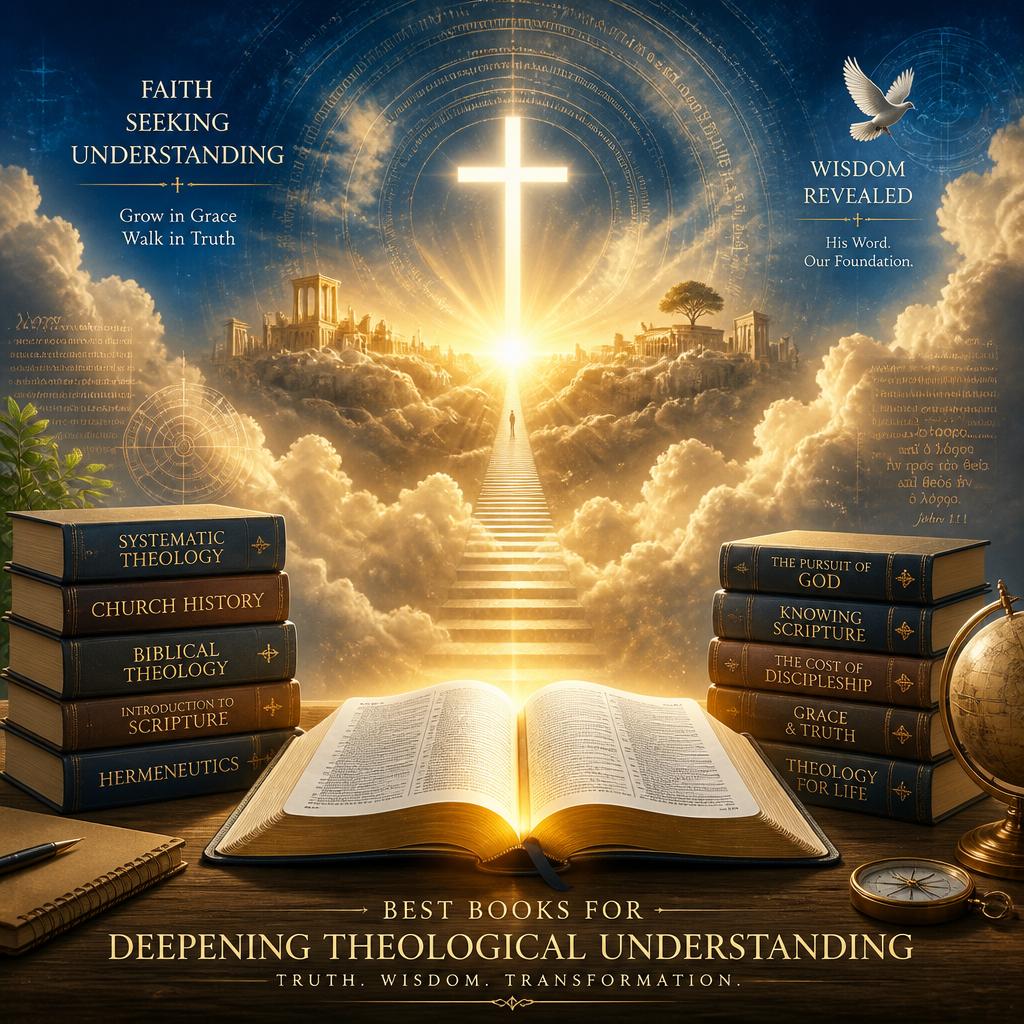
Mere Christianity by C.S. lewis – through logical arguments and relatable illustrations,Lewis presents the core tenets of Christianity,inviting readers to explore the rational basis of faith
Exploring the Logical Foundations of Faith
C.S. Lewis masterfully dissects the essence of Christianity, anchoring his arguments in both logic and everyday experience. He invites readers to engage with concepts of morality and divine purpose,asserting that our innate sense of right and wrong points to a higher moral lawgiver. Lewis posits that while we may flounder in our understanding, the existence of this moral law transcends cultural and temporal boundaries. In Romans 2:14-15, Paul discusses how even Gentiles show the work of the law written in their hearts, a notion that aligns with Lewis’s argument about our collective conscience. This foundational belief not only emboldens thoughtful discourse around faith but also encourages practical application, as we strive to live out this moral code in our daily interactions, reflecting God’s love in tangible ways.
Relatable Illustrations that Bridge Understanding
Through relatable anecdotes, Lewis makes profound theological concepts accessible, weaving in narratives that resonate with the everyday struggles of humanity.One such illustration involves the challenge of forgiveness, where he notes the difficulty of truly letting go of grievances. He mirrors this with the biblical call in Matthew 6:14-15, which emphasizes the necessity of forgiving others as a reflection of God’s forgiveness towards us. This parable-like approach not only sheds light on the complexities of Christian ethics but also empowers readers to apply these teachings in their lives. By urging readers to see their faith as an exploration rather than a dogmatic adherence, Lewis invites them to ponder life’s deeper questions and develop a vibrant relationship with God that thrives on curiosity and honesty.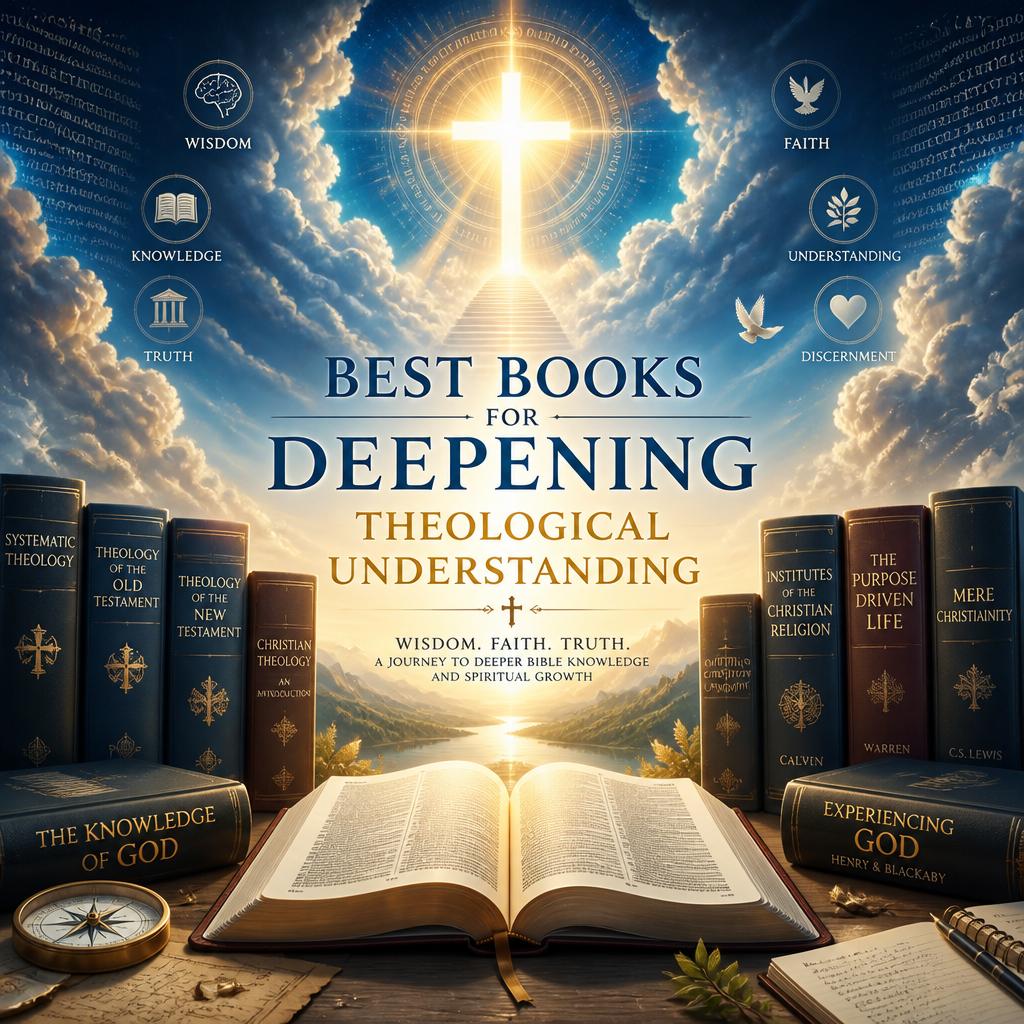
The Case for Christ by Lee Strobel – an investigative approach that examines historical evidence for the life, deathand resurrection of Jesus, perfect for those grappling with doubts
The Case for Christ: An Investigative Approach
In a world filled with skepticism, The Case for Christ offers readers a methodical exploration of the evidence surrounding Jesus’ life and resurrection. Lee Strobel,a former investigative journalist,employs his skills in this compelling narrative to ask the hard questions that many grapple with when it comes to faith. Examining historical documents, interviewing scholarsand analyzing the accounts of eyewitnesses, Strobel unveils a plethora of evidence supporting the belief in Christ’s divinity. His journey reflects the biblical exhortation found in 1 Peter 3:15, which encourages believers to always be ready to give an answer for the hope that is within them. Readers are inspired to embark on their own quest for truth, fueled by the knowledge that doubt can lead to deeper faith when addressed honestly.
The book not only serves as an apologetic resource but also empowers believers to confront their uncertainties with confidence. strobel’s engaging writing invites readers to explore the foundational truths of the Gospel, encouraging them to align their understanding with what Scripture reveals. For those struggling with personal doubts, encountering the life-changing principles found in Romans 10:9-“If you declare with your mouth, ‘Jesus is lord,’ and believe in your heart that god raised him from the dead, you will be saved”-becomes a profound reminder of faith’s power. As the evidence unfolds,readers find themselves not just pondering historical facts,but also actively considering how these truths impact their lives today,leading to conversion and renewed commitment.

Engaging with these texts allows readers not only to know about God but also to know Him more deeply, fostering a personal relationship built on understanding
Exploring the Depths of God
Engaging with profound theological texts allows us to dive deeper into the mysteries of god’s character and His divine plan for humanity. Through the pages of scripture and sound theological writings, believers can unravel the layers of God’s nature and His relationship with us. For instance, the book of Romans 11:33-36 beckons us to marvel at the depths of God’s wisdom and knowledge, reminding us that His judgments and ways are unfathomable. As we read and reflect on these texts, we’re not merely gathering facts; we’re entering an intimate dialogue with the Creator, enriching our understanding and appreciation of His unfailing love and righteousness.
Practical Application of Theological Insights
The study of theology acts as a catalyst for developing a vibrant faith. By engaging with works such as C.S. Lewis’s Mere Christianity or Timothy Keller’s The Reason for God, readers can challenge their own beliefs, confront doubtsand come to a more assured faith. For real-life application, consider applying the principles from Philippians 4:8, which encourages us to dwell on whatever is true, noble, right, pure, lovelyand admirable. This practice of meditation not only deepens our knowledge but shapes our hearts, aligning them with God’s will. Incorporating study groups or prayer partners can further enhance this experience; discussing insights,sharing revelations,and praying together reinforces the community aspect of faith and fosters a deeper relationship with God.
Transformative theological Exploration for Advanced Readers
Exploring the Depths of Theological thought
In our quest for a richer understanding of theology, engaging with profound literature is indispensable. Books such as “Systematic Theology” by Wayne Grudem provide a robust framework for examining Christian doctrine, paving the way for critical thinking and discernment in faith. This text delves into Scripture’s core teachings, equipping readers to connect principles with everyday life. As Romans 12:2 challenges us, “Do not conform to the pattern of this world, but be transformed by the renewing of your mind,” those exploring theological frameworks will find that a commitment to rigorous study not only enriches their beliefs but transforms their hearts and actions in the community.
Recommended Reads for the Theologically Curious
To further your theological journey,consider these transformative works:
- “The cost of Discipleship” by Dietrich Bonhoeffer – Emphasizes the call to costly grace and authentic discipleship.
- “Mere Christianity” by C.S. Lewis – Engages with the logical rationale behind faith, addressing both believers and skeptics.
- “Theology of the Body” by Pope John Paul II – Explores the sacredness of human relationships through a biblical lens.
- “The Problem of pain” by C.S. Lewis – Offers insightful theological perspectives on suffering and divine love.
As you dive into these texts, reflect on Hebrews 4:12, which reminds us that “the word of God is alive and active,” encouraging you to allow Scripture to shape your understanding deeply and to transform how you approach life’s challenges and relationships. These books not only provide knowledge but also invite you into a greater communion with God and His creation.
For those looking to delve deeper into theological study, advanced texts provide challenging insights that can reshape and refine one’s understanding of faith. These books often engage with complex doctrines and encourage critical thinking:
Advanced Texts for Deeper Theological Insight
For those eager to expand their theological horizons, engaging with advanced texts can reveal profound truths that challenge prevailing assumptions and enhance our spiritual journey. Books like “The Cost of Discipleship” by Dietrich Bonhoeffer explore the radical call of Christ, urging readers to reflect deeply on what it means to truly follow him. Bonhoeffer’s concept of ‘cheap grace’ calls for a critical examination of our faith life, aligning with Jesus’ words in Matthew 16:24: “Whoever wants to be my disciple must deny themselves and take up their cross and follow me.” such works compel believers to grapple with the intricacies of grace and sacrifice, leading to a transformed understanding of what it means to live out one’s faith authentically.
Another noteworthy text is “systematic Theology” by Wayne Grudem, which offers a comprehensive survey of Christian doctrines, integrating scriptural truths with practical implications for daily living. Grudem emphasizes the importance of recognizing God’s sovereignty as articulated in Psalms 115:3: “Our God is in the heavens; He does all that He pleases.” This reminder invites believers to trust in God’s purposes amidst life’s uncertainties. As readers navigate complex theological concepts, they are encouraged to reflect on how these doctrines can be lived out in their communities, fostering a faith that is not merely intellectual but deeply transformative. Engaging with these challenging texts not only reshapes understanding but also cultivates a faith that influences actions and relationships profoundly.
Theology for the Community of god by Stanley J. Grenz – focusing on the connection between community and theology, Grenz emphasizes that our understanding of God should influence how we interact with one another as believers
The Connection Between Community and Theology
As Stanley J. Grenz articulates, the essence of our understanding of God profoundly shapes our communal life. When believers acknowledge God as a triune being-Father, Sonand Holy Spirit-it sets the paradigm for relational dynamics within the community. The unity and diversity reflected in the Godhead invite us to live in harmony with one another. This can be seen in passages such as Philippians 2:1-2, which urges us to be “like-minded, having the same love, being one in spirit and purpose.” Thus, a robust theological framework is foundational for cultivating an environment of mutual support, loveand encouragement, where each member recognizes their vital role in the body of Christ (1 Corinthians 12:12-27).
Moreover, our theological outlook informs how we engage in practical acts of love and service within our communities. As Grenz emphasizes, understanding God’s relational nature prompts us to embody grace, patienceand forgiveness in our daily interactions. The imperative to love one another, as stated in John 13:34-35, is not merely a suggestion but a natural overflow of our comprehension of divine love. As we delve deeper into what it means to embody christ in our relationships, we can create spaces where vulnerabilities are sharedand burdens are lifted, echoing Galatians 6:2.In this way, our theological pursuits become not just abstract ideas but transformative practices that enhance the communal experience of faith, making us vibrant witnesses to the world of God’s profound love and unity.
Systematic Theology by Wayne Grudem – a comprehensive analysis of core theological concepts, this text is designed for readers who wish to gain a structured understanding of Christian doctrine
Deepening Theological Understanding
Among the most valuable resources for those seeking a structured approach to Christian doctrine is the comprehensive work of Wayne Grudem. This text serves as an essential guide, meticulously laying out the core tenets of the faith with clarity and depth. Each chapter addresses significant theological concepts such as the nature of God, the authority of Scriptureand the mysteries of salvation. Grudem integrates theological frameworks with real-life applications, encouraging readers to examine how foundational beliefs shape daily living. For instance, in discussing the sovereignty of God, he references Romans 8:28, which reassures believers that “all things work together for good to those who love God.” this reassurance can inspire one to face life’s challenges with faith and perseverance.
Understanding theology is not merely an academic exercise; it has profound implications for living out one’s faith. Grudem emphasizes the importance of doctrine in fostering a vibrant Christian life. he provides practical insights on applying theological truths to the complexities of modern life, such as ethical dilemmas and interpersonal relationships. Readers are encouraged to embrace teachings like Ephesians 4:15, which calls us to “speak the truth in love,” reminding us that our understanding of doctrine should manifest in actions that reflect Christ’s love. thus, this comprehensive analysis not only equips individuals with knowledge but also empowers them to live as authentic witnesses of the Gospel.
The Cost of discipleship by Dietrich Bonhoeffer – urging readers to consider the implications of faith in action, Bonhoeffer’s work challenges believers to embrace discipleship amidst societal challenges
The Cost of Discipleship
In a world that often prioritizes comfort and convenience, Dietrich Bonhoeffer implores us to examine what it truly means to follow Christ. His profound assertions on discipleship remind believers that faith is an active commitment that shapes every aspect of life. Bonhoeffer writes, “When Christ calls a man, he bids him come and die,” urging us to recognize that true discipleship involves a willingness to sacrifice and engage with the difficulties of life (Mark 8:34). It is indeed not enough to believe; we are called to embody our faith through actions that reflect the heart of Christ, even when societal norms discourage such expressions. By embodying humility and love, believers stand as witnesses to an alternative way of living, rooted in sacrificial love and authenticity.
Embracing this perspective raises significant questions about our personal faith journeys. How can we embody hope in times of despair? How do we demonstrate love in the face of division? Bonhoeffer challenges us to transform our commitment into practical acts of service, as echoed in James 2:26: “For as the body without the spirit is dead, so faith without works is dead.” This challenge beckons us to consider our role in society, to lend our hands where there’s needand our voices where there is silence. Engaging with the surrounding world, believers are called to be agents of change-fostering justice, compassionand integrity.Let our lives be marked by actions that reflect our beliefs, urging others to experience the transformative power of the Gospel in our daily lives.
These texts serve as a catalyst for deeper reflection and greater community engagement, prompting readers to consider how theological principles apply in various contexts and circumstances
Exploring Theological Texts for Community Enrichment
Pivotal theological works have the remarkable ability to bridge the gap between abstract doctrine and lived experience. Texts that delve into the intricate relationship between faith and community not only stimulate individual thought but also inspire collective action. As a notable example, works that reflect on Acts 2:42-47, where the early church engaged in fellowship and shared possessions, encourage readers to ask how their own congregations can embody such radical communal living today. By exploring these principles, believers are invited to step into a transformative space where their insights can cultivate a deeper sense of belonging and purpose within their communities.
moreover, the application of biblical principles in contemporary settings often brings vital questions to the forefront, such as the role of justice and mercy in a polarized society. Texts that engage with passages like Micah 6:8, which calls believers to “act justly, love mercyand walk humbly,” encourage not only personal reflection but practical outreach. As readers wrestle with how these exhortations apply to issues such as poverty, racial reconciliationand environmental stewardship, they are compelled to take tangible steps that align their faith with action.
- Community outreach programs inspired by Biblical justice
- Encouraging discussions about faith in local schools
- Participating in ecological stewardship initiatives
Through these theological explorations, the call to action resounds, urging communities to engage holistically and lead with Christ-like compassion.
Practical Applications of Theological Insights
The insights gathered from theological study offer a transformative lens through which believers can navigate their everyday lives. Understanding concepts such as *grace*, *redemption*and *sacred calling* enables individuals to live purposefully. For instance, Ephesians 2:8-9 reminds us that we are saved by grace through faith, not by our works. This truth shifts our motivation from striving for approval to living out our faith actively, reflecting Christ’s love in our interactions with others.By applying this understanding, one might choose to engage in community service, advocate for social justiceor extend forgiveness, embodying the essence of the gospel in practical ways that contribute to the well-being of others.Moreover, sound theological perspectives inform our decision-making processes and moral compass. Understanding the character of God, as revealed in Scripture, encourages believers to trust in His sovereignty and goodness during challenging times (Romans 8:28). Such as, a greater grasp of God’s provision can lead to new levels of generosity, inspiring others in their own faith journeys. Participating in small groups or church ministries can be a profound application of this theological insight,allowing believers to share their resources,skills,and time. As Proverbs 11:25 states,”A generous person will prosper; whoever refreshes others will be refreshed,” serving as a reminder that practical application of theology benefits both giver and recipient,reflecting the heart of God in our communities.
Understanding theology is not merely an intellectual exercise; it necessitates action. Here are some practical applications for what one learns through theological engagement:
Practical applications of Theological Engagement
Engaging with theology goes beyond mere contemplation; it calls for an active integration of faith into everyday life. One practical application of theological understanding is the way we approach our relationships. The imperative of love in scripture can be foundational. In John 13:34-35, Jesus demonstrated that love is the ultimate identifier of His disciples: “A new command I give you: Love one another. As I have loved you, so you must love one another.” Practicing this love means actively seeking reconciliation in conflicts, offering grace where it is indeed undeservedand extending compassion to those in need. By fostering a community marked by these actions, believers can transform theoretical teachings into lived experiences that reflect the heart of god.
Another significant area of application is social justice. The call to do justice, love kindnessand walk humbly with God (Micah 6:8) compels believers to advocate for the marginalized and the oppressed in society. This may involve volunteering at a local shelter, standing against systemic injusticesor using one’s voice to raise awareness about critical issues. Moreover, theological reflection provides the conviction needed to challenge societal norms that contradict biblical values.Engage with literature that covers these topics, such as “The Justice Revealed: A Theology of the Just” by Julie Canlis, which encourages readers to align their actions with the heart of God’s justice.Through such practical actions, one can embody the theology learned and become a transformative presence in the world.
| Book Title | Author | Main Focus | Application |
|---|---|---|---|
| The Justice Revealed: A Theology of the just | Julie Canlis | Exploring divine justice | Advocacy for the marginalized |
| The Cost of Discipleship | Dietrich Bonhoeffer | Following Christ costfully | Radical commitment and love |
| Generous Justice | Tim Keller | The intersection of faith and justice | Practicing social responsibility |

Community Engagement: Apply theological insights by participating in local outreach programs or missions. Let the teachings of scripture shape how you serve others,reflecting Christ’s love in practical ways
Community Engagement
Participating in local outreach programs or missions is an excellent way to apply theological insights in a meaningful way. By embodying the teachings of scripture, we can serve others while mirroring the love of Christ. As expressed in Matthew 25:40, “Whatever you did for one of the least of these brothers and sisters of mine, you did for me.” Engaging with your community provides a practical avenue to live out your faith-not just in words but through actions. Whether it’s volunteering at a food bank, mentoring youthor joining a mission trip, ensure that your efforts resonate with the core message of loving your neighbor (mark 12:31). Each initiative not only meets immediate needs but also builds valuable relationships, showcasing the heart of the gospel in tangible ways.
Moreover, reflecting on theological insights deepens your understanding and enhances your witness. Create a habit of studying Scripture with intention so that your outreach is informed by biblical principles. Consider organizing small discussion groups focused on books that delve into themes of compassion and service; as an example,texts that explore the call to justice and mercy can rejuvenate your outreach efforts. Here are some book recommendations to consider for your group discussions:
| Book Title | Author | Key Insights |
|---|---|---|
| The Justice of God | Tim Chester | Explores the intersection of justice and mercy in the life of Christ. |
| Hot Chestnuts | Michele McNaughton | A practical guide to community engagement and outreach based on biblical teachings. |
| When Helping Hurts | Steve Corbett & Brian Fikkert | Provides insights on effective ways to help those in need without promoting dependency. |
By diving deeper into such resources, members of your ministry can cultivate a mindset of service, equipped to go out into the world and reflect the transformative power of Christ’s love.
Ethical Decision-Making: Utilize your deepened understanding of Christian ethics when faced with moral dilemmas. Ground your decisions in scripture,evaluating your choices through the lens of your theological reflections
Ethical Decision-Making: Utilize your deepened understanding of Christian ethics when faced with moral dilemmas
When confronted with ethical dilemmas,grounding your decision-making in scripture serves as both a compass and a foundation. The Apostle Paul exhorts us in Romans 12:2 to “not conform to the pattern of this world, but be transformed by the renewing of your mind.” This renewal requires a diligent engagement with the Word of God, where principles of truth, justiceand love provide clarity amidst confusion. For instance, when faced with a decision that challenges your integrity, reflecting on Proverbs 10:9 (“Whoever walks in integrity walks securely, but whoever takes crooked paths will be found out”) can offer both comfort and conviction to choose the righteous path. Encourage yourself with the promise found in James 1:5 that if you lack wisdom, you should ask God, who gives generously to all without finding fault.
Moreover, assessing your choices through the lens of theological reflection enables a deeper understanding of how to integrate faith into everyday situations. A practical approach would involve creating an ethical decision-making framework that draws upon scriptural narratives. Start by identifying the moral dilemma, then consider the relevant biblical principles. A simple table can help clarify your thought process and assist in decision-making:
| Moral Dilemma | Relevant Scripture | Reflection Questions |
|---|---|---|
| Honesty in Business | Proverbs 11:1 | Is my decision honoring to God? Am I being truthful? |
| Forgiveness | Matthew 6:14-15 | Am I willing to forgive this person? How does my heart reflect Christ’s love? |
This structured method not only ensures that your decisions align with biblical teachings but also fosters a spirit of discernment that can be cultivated through prayer and community discussion, ultimately empowering you to navigate life’s moral challenges with confidence and grace.
Personal Discipleship: Engage in regular personal study, prayerand accountability with others who seek to grow spiritually. Create a study group that focuses on different theological texts to foster discussion and mutual growth
Engaging in Personal Discipleship
Deepening your theological understanding begins with intentional personal study and prayer. Engaging with foundational texts such as “The Institutes of the Christian Religion” by John Calvin not only helps in grasping doctrines but also cultivates a sense of reverence for the text. As Paul writes in 2 Timothy 3:16-17, “All Scripture is breathed out by God and profitable for teaching, for reproof, for correctionand for training in righteousness.” This frames our study; no matter the theological book,it should always point us back to Scripture. Consider creating a structured approach to your reading that includes reflections on how each text aligns with biblical teachings and your personal faith journey.
Building Community for Accountability
Community engagement plays a vital role in spiritual growth.Establishing a study group that delves into various theological works enables rich discussions and accountability.You might focus on contemporary texts like “Knowing God” by J.I. Packer or dive into historical contexts with “The Cost of Discipleship” by Dietrich bonhoeffer. sharing insights from your readings can be transformative, as Proverbs 27:17 reminds us, “Iron sharpens ironand one man sharpens another.” To facilitate these group discussions, consider utilizing a table to track key points and questions raised during your sessions:
| Book Title | Author | Key themes | Questions for Discussion |
|---|---|---|---|
| The Institutes of the Christian Religion | John Calvin | Predestination, Sovereignty of God | How do Calvin’s views on grace challenge contemporary beliefs? |
| Knowing God | J.I. Packer | intimacy with God, Knowability | What experiences have deepened your understanding of God? |
| The cost of Discipleship | dietrich Bonhoeffer | Grace, Discipleship | What does ‘costly grace’ look like in your life? |
This structured approach fosters deeper discussions and encourages accountability, prompting each member to actively apply their learnings to their life while reinforcing the biblically rooted commitment to grow together in faith.
As James 1:22 reminds us, “Do not merely listen to the wordand so deceive yourselves. Do what it says.” Integrating theological understanding into daily life is essential for impactful Christian living
Transforming Knowledge into Action
Engaging with theological texts not only deepens our understanding of Scripture but also equips us to live out our faith in tangible ways. Books like “Knowing God” by J.I. Packer and “The Reason for God” by Timothy Keller challenge believers to essentialize their faith, prompting us to reflect on our personal relationship with Christ. As 2 Timothy 3:16-17 states, “All Scripture is God-breathed and is useful for teaching, rebuking, correcting and training in righteousness, so that the servant of God may be thoroughly equipped for every good work.” By immersing ourselves in these readings, we gain the theological framework necessary to navigate the complexities of life while holding firm to a truth that has stood the test of time.
Practical Application through study
Applying theological principles requires more than passive consumption; it calls for active involvement in both our communities and our personal lives. Engaging with texts such as “Mere Christianity” by C.S. Lewis and “The Cost of Discipleship” by Dietrich Bonhoeffer inspires us to confront our own motivations and actions. In Matthew 7:24-25, Jesus illustrates the importance of building our lives on the rock of His teachings, emphasizing that our faith must be lived out in concrete actions. Consider forming study groups or discussion forums where insights from these works can be shared, leading to collective growth and accountability. By encouraging one another to embody these teachings, we foster a community that reflects God’s love and truth.
In Retrospect
As we close the cover on our exploration of the best books for deepening theological understanding, we invite you to embark on your own journey of finding. The world of theology is rich and varied, offering a multitude of perspectives that can shape, challengeand transform your beliefs. each text on this list serves as a guidepost, illuminating paths of thought and reflection that can foster a deeper connection to both tradition and contemporary issues.
Whether you find yourself drawn to classic works that have stood the test of time or contemporary writings that engage with the complexities of modern faith, remember that the pursuit of understanding is a lifelong endeavor. These books are not just words on a page; they are invitations to dialogue, contemplationand even debate.As you dive into these volumes, may you not only seek to understand better but also to appreciate the diversity of thought that exists within the theological landscape.
theology is not merely an academic exercise; it is a personal quest-one that can lead to profound insights about ourselves, our communitiesand the divine. So, as you turn the final pages of this article, consider picking up a book (or two) and allow your creativity and spirit to be stirred. After all, the journey of understanding is as enriching as the destination itself. Happy reading!