
In a world often characterized by rapid change adn fleeting trends, a faith-based lifestyle offers a beacon of stability and purpose. Rooted in belief systems that have transcended generations, this way of living invites individuals to cultivate a deeper connection to their values, communityand the self. But what does it truly mean to embrace a faith-based lifestyle? Beyond the rituals and doctrines, essential elements such as spiritual practice, community engagement, ethical livingand personal reflection intertwine to create a holistic framework. This article will explore these foundational aspects, illuminating how they contribute to a life enriched with meaning, guided by principlesand anchored in a larger narrative. Whether one is a lifelong adherent or simply curious, the journey toward a faith-infused existence opens pathways to personal growth and collective understanding. Join us as we unravel the essential elements that can nurture and sustain a lifestyle deeply intertwined with faith.
Faith as the Foundation
Faith in Action
Faith serves not just as a belief system, but as a powerful catalyst that transforms our daily actions and interactions. When we anchor our lives in faith, we invite divine wisdom into our decision-making processes.This truth is beautifully expressed in Proverbs 3:5-6,which reminds us,“Trust in the Lord with all your heart,and lean not on your own understanding; in all your ways acknowledge Him,and He will make straight your paths.” By living out this principle, every choice, from mundane tasks to meaningful life changes, becomes an prospect to align with god’s purpose. As we seek His will, we begin to see how our faith enriches our relationships, cultivates peaceand inspires us to serve others selflessly.
Moreover, the practices of prayer and scripture reading are essential tools that enhance our faith-based lifestyle. Engaging with God through prayer fosters intimacy and fortifies our resolve; as stated in Philippians 4:6-7, “Do not be anxious about anything, but in every situation, by prayer and petition, with thanksgiving, present your requests to God.” This act of surrender brings about a deep sense of peace that guards our hearts and minds. Together, immersing ourselves in Scripture enables us to internalize His truths and navigate life’s challenges with resilience. Psalm 119:105 succinctly states, “Your word is a lamp for my feet, a light on my path.” together,these practices empower us to live authentically and boldly,embodying faith in every facet of our lives.
- Prayer: Daily conversations with God to strengthen relationship.
- Scripture Reading: Engaging with Biblical texts to inform and guide decisions.
- Community Service: Acting on faith through tangible acts of kindness and support.

At the core of a faith-based lifestyle is an unwavering commitment to one’s beliefs. Faith serves as the spiritual bedrock that influences choices, relationshipsand outlook on life.As Hebrews 11:1 states,“Now faith is the assurance of things hoped for,the conviction of things not seen.” This verse encapsulates the essence of faith-an inner confidence that shapes our reality
Essential Elements of a Faith-Based Lifestyle
Living a life anchored in faith requires more than mere belief; it necessitates a holistic approach that merges spiritual conviction with daily practices. faith serves as a transformative lens through which we perceive the world and shape our experiences. In Romans 12:2,we are urged,“Do not conform to the pattern of this world,but be transformed by the renewing of your mind.” This renewal encourages us to align our choices-be it through our careers, friendshipsor leisure activities-with our deeply held beliefs. When faith intertwines with actions, it manifests in the way we treat others, approach challengesand seek purpose. A faith-based lifestyle calls for the deliberate integration of spiritual disciplines such as prayer, Bible studyand service, which not only strengthens our connection to God but also enhances our impact on those around us.
Moreover, faith provides a sturdy foundation amidst life’s uncertainties.The assurance of things hoped for fosters resilience when faced with adversity. Philippians 4:6-7 reminds us to not be anxious but to present our requests to God,promising that His peace will guard our hearts. This is vital in establishing trust in divine timing and provision. Practically, this might involve cultivating a gratitude practice, sharing testimonies of God’s faithfulnessor participating in community support.By nurturing a faith-filled environment within our families and communities, we can encourage one another, as stated in Hebrews 10:24-25, to “spur one another on toward love and good deeds” despite the challenges we face. The fruits of a faith-driven life not only affect personal tranquility but ripple outward,influencing and inspiring others.
- Key Aspects of a Faith-based Lifestyle:
- Daily Prayer
- Bible Reading
- Service to Others
- Community Fellowship
- Gratitude Practice
- Biblical Promises to Hold On To:
- Romans 8:28 – “And we no that in all things God works for the good of those who love him.”
- Isaiah 41:10 – “So do not fear, for I am with you; do not be dismayed, for I am your God.”

To cultivate faith as a foundational element, consider the following practical applications:
Practical Applications of Cultivating Faith
To truly embed faith into your daily lifestyle, begin by creating a structured routine that emphasizes prayer and scripture reading. The Bible encourages this discipline in Joshua 1:8, which states, “This Book of the Law shall not depart from your mouth, but you shall meditate on it day and night.” Set aside specific times during your day-perhaps in the morning before you start your tasks or in the evening as you wind down-to engage with God’s Word. A simple plan could include reading a chapter from Proverbs daily, reflecting on its wisdomand journaling your insights. This practice not only deepens your understanding of the Scriptures but also helps to align your thoughts and actions with God’s will. Furthermore, consider joining a Bible study group or peer accountability system to share insights and foster deeper discussions.This community engagement is vital for growth as it mirrors the early church’s dedication to fellowship (Acts 2:42).
In addition to personal study, we can cultivate faith through acts of service and charity, following the example Christ set during His earthly ministry. Galatians 5:13 reminds us, “For you were called to freedom, brothers. Only do not use your freedom as an opportunity for the flesh, but through love serve one another.” Identify needs within your community-whether through volunteering at local shelters, participating in mission tripsor simply offering a helping hand to a neighbor.Make it a practice to contribute to causes that resonate with your faith, whether through time, resourcesor outreach. Integrating such acts into your lifestyle not only strengthens your faith but also demonstrates god’s love in action. Engage with your family in this mission; consider dedicating a monthly family volunteer day, allowing your children to experience the joy of giving and serving, thereby sowing seeds of faith in their hearts that they will carry into adulthood.
Daily Prayer and Meditation: Set aside time each day for prayer and reflection. This not only strengthens your relationship with God but also provides clarity on personal challenges
Daily Prayer and Meditation
Embracing the quiet moments of prayer and meditation can transform your everyday experience into a sacred journey. Through intentional reflection, you carve out space not just for speaking to God, but for listening to His guidance.As Philippians 4:6-7 reminds us, “Do not be anxious about anything, but in every situation, by prayer and petition, with thanksgiving, present your requests to God. And the peace of God, which transcends all understanding, will guard your hearts and your minds in Christ Jesus.” Regularly setting aside time for this practice helps cultivate a spirit of peace amidst chaos, allowing clarity and wisdom to shine through the noise of daily life. Create a pleasant environment-perhaps with a cozy chair, soft lightingor soothing music-to encourage this sacred practice and make it a cherished part of your routine.
Incorporating specific themes can enrich your prayer life and deepen your spiritual connection. You might consider using a prayer journal where you can write down your thoughts, questionsand insights gained during meditation.List aspects of your life where you seek improvement or clarity and persistently pray over them.As James 1:5 states, “If any of you lacks wisdom, you should ask God, who gives generously to all without finding faultand it will be given to you.” This allows for a tangible way to witness God’s answers and uplift your faith. Here are some components to include in your daily practice:
- Gratitude: Start each session by recounting blessings to foster a thankful heart.
- Confession: Reflect on areas for growth and seek forgiveness, aligning your heart with God’s will.
- Intercession: Pray for others, which can deepen your empathy and connection within your community.
- Listening: Spend time in silence, welcoming the Holy Spirit’s presence and direction.
This holistic approach nurtures not only your relationship with God but also equips you to confront personal challenges with renewed vigor and insight.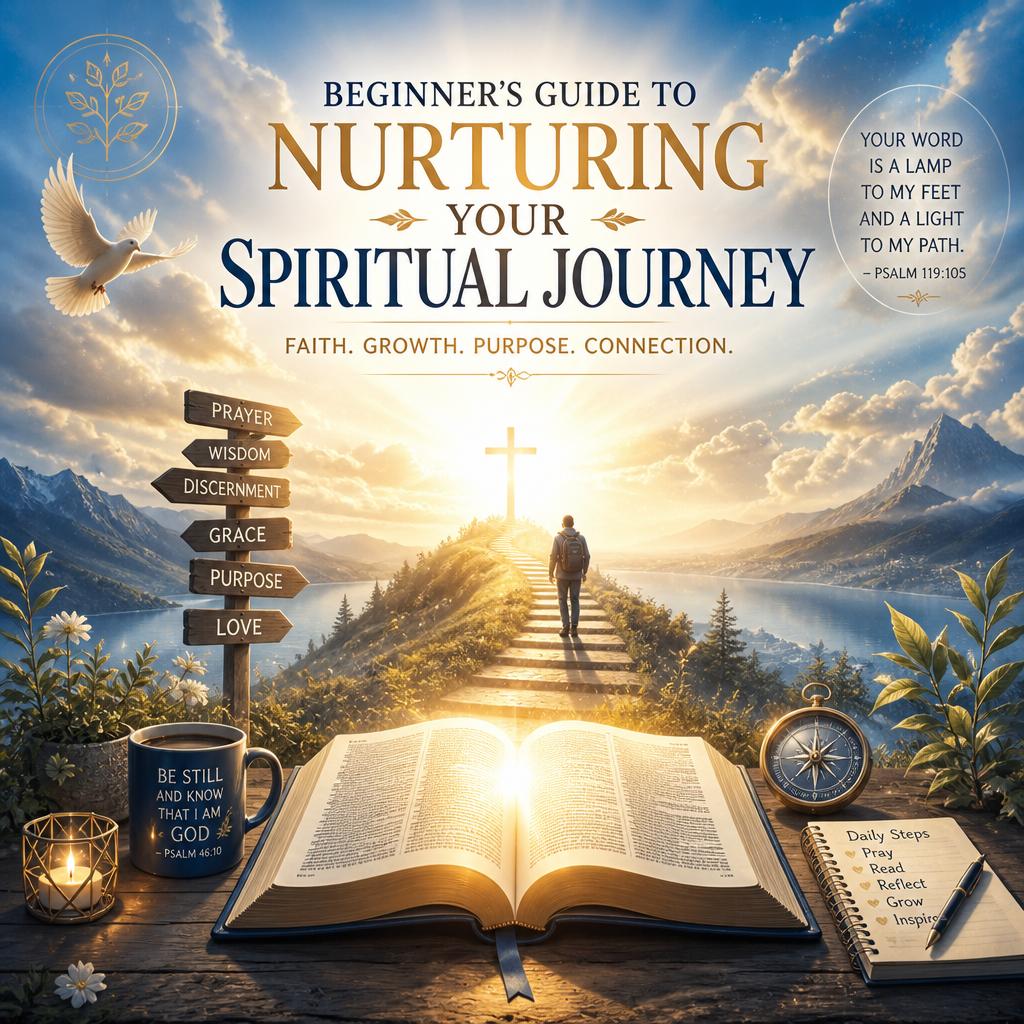
Study Scripture: engage with the Bible regularly to deepen understanding and strengthen faith. Consider joining or forming a Bible study group for collaborative learning
study Scripture
Engaging with the Scriptures on a regular basis is a transformative practice that nurtures both understanding and faith. The Word of God serves as a guiding light in our lives, providing wisdom and direction amidst the complexities we face. as 2 Timothy 3:16-17 teaches us,”All Scripture is breathed out by God and profitable for teaching,for reproof,for correction,and for training in righteousness,that the man of God might potentially be complete,equipped for every good work.” By dedicating time to study the Bible, we become equipped to live out our faith in practical ways, responding to life’s challenges with biblical truth. Consider incorporating daily readings, journaling reflectionsor memorizing key verses as part of your routine to ensure that the Word takes root in your heart and mind.
Collaborative learning can amplify this journey, as studying together fosters community and accountability. Joining or forming a Bible study group allows us to come together in fellowship, share insightsand encourage one another in our spiritual growth. As Proverbs 27:17 reminds us, “Iron sharpens ironand one man sharpens another.” This communal experience not only deepens our understanding of Scripture but also strengthens our bonds with fellow believers. Whether it’s discussing applications for personal life, exploring theological conceptsor even wrestling with arduous passages, these shared moments cultivate an environment where faith can flourish and become a centerpiece of our daily lifestyles.

Journaling: Maintain a faith journal to record prayers, reflectionsand insights from spiritual readings. This practice helps in recognizing God’s work over time
journaling: Maintain a faith journal to record prayers, reflectionsand insights from spiritual readings.
Engaging in the practice of journaling is akin to weaving a tapestry of faith through words, capturing the moments when the divine intersects with our daily lives. as you write down your prayers, thoughtsand insights from scripture, you create a written testimony of your spiritual journey. Psalm 77:11-12 reminds us, “I will remember the deeds of the Lord; yes, I will remember your miracles of long ago.” By reflecting on your past experiences with God, journaling enables you to witness the faithful hand of God working through trials and triumphs alike. It allows you to document His provision during difficult times, reinforcing your faith each time you revisit those entries, reminding you that God is persistently present in your life.
Your journal becomes a personalized scripture-a living narrative of how God speaks to you through the pages of the Bible and everyday occurrences. As you regularly document your reflections, consider incorporating the following elements:
- List of Gratitude: Record daily blessings to cultivate a heart of thankfulness (1 Thessalonians 5:18).
- Prayer Requests: Note down specific prayers and track their answers, bolstering your faith in God’s providence (James 5:16).
- Insights from Scripture: Reflect on key verses and how they apply to your life (Hebrews 4:12).
This ongoing practice not only deepens your understanding but also invites you to anticipate how God is continually working around you. As you fill your journal, envision it as a treasure chest of faith, revealing how God’s grace transforms your life over time.

Building a solid foundation of faith allows for resilience during trials and supports a hopeful, purpose-driven life
Building a Solid Foundation of Faith
To navigate the unpredictable storms of life, a steadfast faith acts as an anchor, offering both stability and strength. When we align our lives with biblical teachings, we equip ourselves with profound resilience that serves us in trials. For instance, James 1:2-4 encourages believers to consider it pure joy when facing trials because they produce perseverance. This perspective transforms adversity from being merely a challenge into an opportunity for growth.Daily immersing ourselves in Scripture, prayerand fellowship fosters an environment where our faith can flourish. Simple practices, such as maintaining a gratitude journal or participating in community service, not only deepen our understanding of God’s purpose but also enhance our capacity to withstand difficulties.
moreover, reinforcing our relationship with God anchors our identity and provides clarity in purpose.Romans 15:13 proclaims, “May the God of hope fill you with all joy and peace as you trust in Him.” Such trust enables us to live with intentionality, guiding our decisions and actions in alignment with His will. Consider establishing a routine that includes time for reflection and prayer each day to strengthen this connection. participating in group Bible studies can also expand our understanding and build community, helping us support one another in times of need. By nurturing our faith, we not only become more resilient but also embody a hopeful outlook that inspires others, demonstrating that with God, we can accomplish remarkable things even in the face of trials.
| Element | Biblical Support | Real-Life Submission |
|---|---|---|
| Prayer | Philippians 4:6-7 | daily prayer for guidance and peace |
| Scripture Study | 2 Timothy 3:16-17 | Weekly Bible study group participation |
| Community | Hebrews 10:24-25 | Engaging in service projects |
| Gratitude | 1 Thessalonians 5:16-18 | Keeping a gratitude journal |

Community and fellowship
in the tapestry of a faith-based lifestyle, community serves as one of the brightest threads, woven together through shared beliefs and mutual support. The early church exemplified this when they devoted themselves to the apostles’ teaching and fellowship (Acts 2:42). together, they celebrated both joys and sorrows, creating a bond that extended beyond mere acquaintances. Being part of such a community not only enriches our spiritual journey but also allows us to grow in love and accountability. It provides a sanctuary where we can share our burdens and joys, ensuring we fulfill the call to “bear one another’s burdensand so fulfill the law of Christ” (Galatians 6:2). Through prayer groups, Bible studiesand communal service, we experience true fellowship that strengthens our resolve and deepens our understanding of God’s Word.
A life steeped in faith thrives on engagement with others who share the same convictions. Some may find comfort in small groups where they can express doubts and receive encouragement, while others may take part in outreach programs that serve the less fortunate, mirroring Christ’s love in tangible ways. Scripture reminds us: “For where two or three gather in my name, ther am I with them” (Matthew 18:20). This divine presence amplifies our collective strength, encouraging us to grow in our faith and extend love to our neighbors. As we invest time in fellowship, let us embrace diversity within the body of Christ, understanding that “just as each of us has one body with many members… so in Christ we, though many, form one body” (Romans 12:4-5). Through unity, we not only glorify God but also create a vibrant community that reflects His kingdom here on Earth.

Faith is often nurtured and expressed within the context of community. Engaging with fellow believers cultivates a sense of belonging, accountabilityand shared growth. Hebrews 10:24-25 encourages this connection: “and let us consider how to stir up one another to love and good works, not neglecting to meet together, as is the habit of some, but encouraging one another.”
Community as a Cornerstone of Faith
Faith thrives when nurtured within a supportive community, as it unlocks avenues for connection and encouragement. The early church exemplified this truth; they shared meals, prayersand praises, thereby creating a vibrant atmosphere where each member’s faith could blossom. Engaging actively in fellowship allows us to witness God’s work through the lives of others, which can ignite our own spiritual growth. In Acts 2:46-47,it states,“And day by day,attending the temple together and breaking bread in their homes,they received their food with glad and generous hearts,praising God and having favor with all the people.” This example emphasizes how communal experiences invite transformation, shaping our faith from individual belief into an empowering collective journey.
Encouragement and Accountability in Fellowship
Meeting regularly is a vital practice that fosters accountability and shared inspiration. When we gather, we open doors to dialog that encourages us to live out our faith through acts of love and service. Hebrews 10:24-25 highlights the necessity of these interactions, reminding us not to grow complacent in our spiritual habits.when we engage with fellow believers, we create opportunities to practice the “one another” commands found throughout Scripture, such as loving, servingand encouraging each other (Galatians 6:2). Consider forming small groups or study circles that allow for deeper relationships, accountabilityand collective prayer. These gatherings can be monumental in reinforcing our commitments and nurturing the spiritual gifts within the body of Christ,leading to transformed lives and communities.

To foster this community aspect, consider these actionable steps:
Building a vibrant community begins with intentional relationships. Set aside time for fellowship, whether through small group gatherings or community service projects. Investing in relationships allows believers to share their joys, burdensand growth. As noted in Hebrews 10:24-25,“And let us consider how we may spur one another on toward love and good deeds,not giving up meeting together,as some are in the habit of doing,but encouraging one another.” Schedule regular meet-ups and create spaces where individuals feel safe to express their faith journey. Use these moments to pray for one another, discuss scriptureand provide accountability. This collaborative approach strengthens bonds and enhances spiritual maturity, unifying the body of Christ.
Moreover, embracing service as a community is crucial. Look for opportunities to serve both within and beyond your congregation. Organize volunteer events that address local needs, such as food drives or neighborhood cleanups. in Matthew 25:40, Jesus emphasizes, “Whatever you did for one of the least of these brothers and sisters of mine, you did for me.” Creating a culture of service fosters love and compassion, allowing members to reflect Christ’s character in practical ways. Form teams that can engage in various outreach programs, keeping everyone involved and motivated. Discipleship flourishes when we act together, lovingly guiding each other in faith while impacting the world around us.

Join a Local church: Actively participate in a congregation that aligns with your beliefs. This provides opportunities for worship, serviceand social interaction
Embrace Community in Faith
Engaging with a local congregation is fundamental to living out one’s faith in a vibrant and communal manner. The Bible emphasizes the importance of community in Hebrews 10:24-25, which states, “And let us consider how we may spur one another on toward love and good deeds, not giving up meeting together, as some are in the habit of doing, but encouraging one another.” Actively participating in a church allows for shared worship, where collective praises elevate individual experiences, creating a robust spiritual atmosphere. In addition to worship services, many congregations offer small groups, Bible studiesand fellowship events that foster deeper connections among members, enriching both spiritual growth and lasting friendships.
Moreover, engaging in service opportunities within the church or community serves as a practical expression of faith in action. James 2:14-17 challenges believers to demonstrate their faith through deeds, stating, “In the same way, faith by itself, if it is indeed not accompanied by action, is dead.” Whether it’s volunteering at local outreach programs, participating in mission tripsor simply helping a fellow church member in need, these acts of service resonate with the heart of the Christian calling.A table below outlines various service opportunities typically found within local churches, encouraging every member to find a path that resonates with their unique gifts and passions:
| Service Opportunity | Description | Scriptural Support |
|---|---|---|
| food pantry | Distributing food to those in need. | Matthew 25:35 |
| mentorship Programs | Guiding youth and new believers in their faith journey. | Titus 2:3-5 |
| Mission Trips | Traveling to help communities in need. | Mark 16:15 |
| Community Events | Hosting events to foster community connections and outreach. | Acts 2:44-47 |
By integrating worship, serviceand community interaction, faith finds expression in actionable love and shared purpose.consider how your involvement can not only bless others but also deepen your own spiritual journey.

Volunteer for Service Projects: Engage in community service initiatives.It not only fulfills biblical calls to love and serve but also strengthens communal ties
Faith in Action
Community service is a vital expression of our faith, reflecting the heart of jesus’ teachings about loving our neighbors as ourselves. As noted in Matthew 25:40, “Truly I tell you, whatever you did for one of the least of these brothers and sisters of mine, you did for me.” Engaging in service projects allows us to embody this scripture, whether it’s through providing food for the hungry, mentoring youthor supporting local shelters. Each act of kindness not only meets immediate needs but also serves as a bridge to foster deeper relationships within the community, nurturing a spirit of collaboration and empathy. In doing so, we fulfill our calling to reflect Christ’s love in tangible ways.
Building Stronger Communities
Moreover, volunteering enriches our communal bonds by connecting us with individuals from diverse backgrounds and perspectives. This diversity enhances our understanding of one another, as we work side by side in service. the Bible states in Galatians 6:2, “Carry each other’s burdensand in this way you will fulfill the law of Christ.” When we choose to shoulder each other’s challenges through meaningful service, we not only uplift one another but also ignite a shared commitment to our community’s welfare. Here are a few impactful volunteer initiatives that can strengthen communal ties:
- food drives: organizing collections for local food banks.
- Community Clean-Ups: Mobilizing neighbors to beautify local parks and streets.
- tutoring Programs: Offering educational support to students in need.
By participating in these projects, we not only fulfill spiritual obligations but build a legacy of faith-driven action that inspires others to join in, creating a ripple effect of compassion and love throughout our communities.

Organize Fellowship Events: Plan gatherings such as potlucks or game nights to build relationships and encourage open dialogue about faith
Building Community through Fellowship
Hosting gatherings such as potlucks or game nights serves as a vital component of nurturing relationships within a faith community. These events create a relaxed atmosphere, encouraging individuals to share not only meals but also experiences and stories of faith. As Hebrews 10:24-25 instructs, we are to consider how to spur one another on toward love and good deeds, not neglecting to meet together.When we break bread together,the simple act fosters an openness that lays the groundwork for deeper discussions about our spiritual journeys. Sharing a meal can frequently enough lead to testimonies of grace and conversations filled with encouragement, enabling us to understand one another’s struggles and victories in faith.
Nurturing Faith through Shared Experiences
Beyond building relationships, these gatherings also create spaces for open dialogue on faith and spirituality. Engaging in activities such as board games or group discussions allows participants to delve into topics of theology and life application while enjoying each other’s company. proverbs 27:17 reminds us, “As iron sharpens iron, so one person sharpens another,” reflecting the transformative power of fellowship. Through structured yet friendly interactions, participants can share insights, ask questionsand support each other’s spiritual growth. Moreover, incorporating small group prayer or reflective moments on missions can ignite a passion for shared service, helping participants recognize their unique callings within the body of Christ.

Through connecting with others, believers can inspire one another, sharing insights and experiences that enrich their faith journeys
When believers come together, they create a vibrant tapestry of faith, woven through shared stories and distinct experiences. In Hebrews 10:24-25, we are reminded, “And let us consider how to stir up one another to love and good works, not neglecting to meet together, as is the habit of some, but encouraging one anotherand all the more as you see the Day drawing near.” This call to community reinforces the notion that individual faith is amplified within the context of relationships. Whether through prayer groups, Bible studiesor casual gatherings, sharing insights encourages us to see God’s work more clearly in our lives, fostering an environment where faith can flourish. In these intimate settings, believers often find the courage to voice their challenges and victories, inviting others to rally around them with support and prayer.
The powerful exchange of testimonies not only uplifts but also expands our understanding of God’s character and His workings in our daily lives. As we share our spiritual journeys, we reflect core aspects of our faith, unveiling how God’s grace shapes our decisions and attitudes. This is evident in Romans 12:4-5, which teaches us that “for as in one body we have many membersand the members do not all have the same function, so we, though many, are one body in Christ.” Each believer contributes a unique perspective, illuminating different facets of faith and bolstering our collective resilience. Engaging in fellowship equips us to not only receive encouragement but to offer it, creating a chain reaction of support that resonates through our local churches and beyond. By taking the time to share experiences and insights, we cultivate a nurturing community that inspires personal growth and strengthens our faith foundations.
Living Out Your Values
The call to embody one’s values is a core aspect of a faith-driven life. It goes beyond mere belief, urging action that mirrors the teachings of Christ. For instance, in Galatians 5:22-23, we find the fruits of the Spirit: love, joy, peace, patience, kindness, goodness, faithfulness, gentlenessand self-control. these attributes should be the cornerstone of our daily interactions. Consider how these fruits can shape your response to challenges at work,your involvement in community service,or your approach to resolving conflicts with family and friends. Each moment offers a choice to exemplify these values,creating a ripple effect that encourages others to seek the light of faith through your actions.to truly live out these principles, it’s essential to regularly reflect on personal values and how they align with scriptural teachings. Engaging in this introspection can be facilitated through prayer and meditation on applicable verses, such as Micah 6:8, which states, “He has shown you, O mortal, what is good. And what does the Lord require of you? To act justly and to love mercy and to walk humbly with your God.” Creating a personal checklist can aid in tracking daily activities against these core values. Here’s a simple way to visualize this commitment using a table:
| Value | Scriptural Reference | Daily Application |
|---|---|---|
| Love | 1 Corinthians 13:4-7 | Show compassion in daily interactions |
| Integrity | Proverbs 10:9 | Be honest in all dealings |
| Service | Mark 10:45 | Volunteer in local communities |
| Faithfulness | 1 Corinthians 4:2 | Keep commitments and be reliable |
Incorporating these values into everyday life encourages a transformative journey that reflects one’s faith not only to oneself but also to the wider community. Embracing this holistic approach fosters spiritual growth and inspires those around you to pursue their own paths aligned with the teachings of Christ.
Incorporating faith into daily life means allowing its principles to guide actions and decisions.This is not merely theoretical but practical,transforming how one navigates everyday situations. As James 2:17 notes, “So also faith by itself, if it does not have works, is dead.” True faith is active, driving believers to live out their values in visible ways
Living Out Faith in Daily Decisions
In daily life, the integration of faith requires believers to consistently reflect on how their principles influence their actions.When faced with choices-whether in relationships, workor personal challenges-believers are called to let their values shine through.Colossians 3:23 reminds us, “Whatever you do, work heartily, as for the Lord and not for men.” This means evaluating decisions with an eternal perspective,prioritizing integrity,compassion,and love. Practical steps might include incorporating prayer into the decision-making process,seeking wisdom through Scripture,or discussing moral dilemmas with a trusted faith community,ensuring that every choice stands as a testament to one’s beliefs.
Faith in action: Practical Applications
Putting faith into action engages believers in tangible, visible expressions of their beliefs. This can manifest in various forms,such as volunteering at local charities,supporting community members in need,or simply offering kindness in everyday interactions. matthew 5:16 encourages us to “let your light shine before others, so that they may see your good works and give glory to your Father who is in heaven.” Creating a bullet-point list of daily reminders can definitely help focus on specific areas to serve others:
- Actively listen to a friend in need.
- Volunteer time at a local food bank or shelter.
- Integrate scriptural discussions into family meals.
- Participate in community events with a spirit of service.
by being intentional in the course of daily activities,believers not only deepen their relationship with God but also reflect His love and grace to those around them,becoming living testimonies of their faith.

Here are some practical applications to live a faith-driven life:
Practical Steps to Infuse Faith into Daily Life
Living a faith-driven life involves integrating your beliefs into every aspect of your existence. One powerful way to do this is through intentional prayer and meditation. Set aside time daily for quiet reflection, focusing on scripture and seeking divine guidance. as stated in Philippians 4:6-7, “Do not be anxious about anything, but in every situation, by prayer and petition, with thanksgiving, present your requests to God.” This practice not only nurtures your relationship with God but also equips you with peace amid life’s challenges. Consider using a journal to document your prayers and the answers you receive, allowing you to see God’s faithfulness over time.
- Set Up Morning Devotions: start your day with Scripture readings and prayer.
- Establish Gratitude Moments: Acknowledge and record daily blessings and answered prayers.
- Join a Community Group: Engage in fellowship with fellow believers for mutual encouragement.
Acts of Service as an Expression of Faith
Faith is not just a personal journey; it is meant to be expressed through acts of service. In James 2:17, we learn that “faith by itself, if it is not accompanied by action, is dead.” Look for opportunities to serve others in your community, whether through volunteering at local shelters or participating in outreach programs of your church. Acts of kindness cultivate compassion and reflect christ’s love to the world. You might also consider forming a service group with friends or family, promoting togetherness while making a meaningful impact.
- Volunteer Opportunities: Research local organizations in need of support.
- Service Projects: Organize community clean-ups or food drives for the less fortunate.
- Encourage Others: Inspire friends to join you in faith-based service initiatives.

Ethical Decision-Making: Let your faith guide your choices in the workplace and personal life. Align your actions with biblical principles, even when faced with difficult decisions
Guiding Your Choices with Faith
Each decision we face, whether at work or in our personal lives, provides a pivotal opportunity to reflect our faith. When confronted with challenges, we can find solace in Proverbs 3:5-6, which encourages us to trust in the Lord with all our hearts and lean not on our own understanding. This scripture reminds us that divine wisdom transcends human logic, guiding us toward paths of righteousness. As we navigate the complexities of our daily lives,we can seek counsel from Scripture,allowing its teachings to shape our perspectives. As a notable example, a manager faced with a dilemma about employee evaluation can draw from Philippians 2:3-4, prioritizing humility and considering the interests of others, fostering a culture of respect and growth.
Practicing Integrity in Every Action
Aligning our actions with biblical principles often requires courage, especially when pressure mounts to conform to worldly standards. Colossians 3:23-24 urges us to work heartily, as if for the lord rather than for men. This perspective transforms mundane tasks into acts of worship, reinforcing our commitment to integrity. When dilemmas arise, such as issues of honesty in reporting results, we can reflect on Exodus 20:16, which commands us not to bear false witness. By standing firm in our values,even when it leads to challenging conversations,we embody the truth of our faith. Furthermore, creating a personal integrity checklist can serve as a valuable tool to remind us of our principles; for example:
- am I transparent in my communications?
- Do I treat others with love and respect?
- Am I exemplifying fairness in my decisions?
This daily reflection helps maintain our alignment with the divine calling as we strive to live a faith-based lifestyle.

Kindness and Generosity: Look for opportunities to serve others, whether through financial support or simple acts of kindness. Reflect on Proverbs 11:25-“whoever brings blessing will be enriched.”
Embodying Kindness and Generosity
Life presents us with countless opportunities to manifest our faith through acts of kindness and generosity. These actions, no matter how small, resonate profoundly within the community and beyond. In embracing a spirit of giving, we can reflect the heart of God, who calls us to serve one another. Whether it involves providing financial support to those in need, sharing meals with the less fortunateor simply offering a listening ear to someone going through a tough time, each of these gestures embodies the essence of love. As Proverbs 11:25 states,“Whoever brings blessing will be enriched.” This verse emphasizes that in selflessly uplifting others, we not only bless them but also enrich our own lives and faith journey.
To truly embrace a life of generosity, consider incorporating intentional practices into your daily routine. Create a list of simple acts of kindness you can perform each week,such as volunteering at a local shelter,donating to a charitable cause,or reaching out to friends or neighbors who may be struggling. Reflect on Jesus’ teaching in Luke 6:38, which instructs us that “given it will be given to you; a good measure, pressed down, shaken together and running over, will be poured into your lap.” Here lies the promise of abundance as we step out in faith to serve others. remember, the impact of our generosity extends far beyond transactional acts; it fosters deep connections, ignites hopeand can even change lives. By cultivating a mindset of service, we can collectively build a community rich in love, compassionand resilience.
Authentic Representation: Strive to reflect Christ in your interactions. Speak truthfully, show compassionand embody humility, thereby becoming a testimony of faith to others
Authentic Representation
To reflect christ in our daily interactions, we must engage authentically with truthfulness-a hallmark of our faith. In Ephesians 4:15, we are called to “speak the truth in love,” reminding us that honesty is not merely about being right, but about communicating with love and respect. This is particularly vital in a world laden with misinformation and superficiality. When we commit to embodying this principle, we invite others to experience the transformative power of Christ through us. Our relationships, whether personal or professional, can become platforms for sharing the gospel, creating a ripple effect of truth that can challenge societal norms and inspire hope in others.
Compassion and humility serve as the supporting pillars of authentic representation. As Colossians 3:12 instructs us to “clothe yourselves with compassion, kindness, humility, gentleness and patience,” we must consciously embody these virtues in our daily encounters. Consider how a simple act of kindness-a smile, a helping handor a listening ear-can reveal the heart of Christ to those around us. additionally, practicing humility, as seen in Philippians 2:3, encourages us to “do nothing out of selfish ambition or vain conceit,” which can break down barriers of pride and foster genuine connections with others. By living these principles, we become a living testimony of faith, illuminating the path to Christ and encouraging others to seek His presence in their lives.

In doing so, believers not only grow closer to God but also reveal the transformative power of faith to the world around them
Growing Closer to God
Engaging in a faith-based lifestyle transforms our personal relationship with God, fostering intimacy that reshapes our daily lives. As believers dedicate time to prayer, worshipand scripture study, they open their hearts to hear the still, small voice of God guiding them. James 4:8 reminds us, “Draw near to Godand he will draw near to you.” This divine invitation encourages us to seek God’s presence in every aspect of our lives, helping us navigate challenges while cultivating virtues like patience, kindnessand humility.
Through this deepening relationship with God, believers become vessels of His transformative power. As they embody love, graceand forgiveness in their interactions with others, they showcase the true essence of faith to the world. Their lives often reflect the words of Matthew 5:16: “Let your light shine before others,so that they may see your good works and give glory to your father who is in heaven.” In practical terms, this means engaging in acts of service, extending compassion to those in needand sharing personal testimonies of faith to demonstrate how God’s love has reshaped their lives. When believers live out their faith authentically, they not only grow spiritually but also inspire others to seek the same transformative relationship with God.

Continuous Growth and Reflection
In the journey of faith,continuous growth is essential. As the Apostle Paul urges in Philippians 3:14,“I press on toward the goal for the prize of the upward call of God in christ Jesus.” This passage encourages believers to pursue spiritual maturity diligently. Growth requires intentionality; it’s not merely about gaining knowlege but integrating that wisdom into daily life. Consider establishing a routine that includes prayer, scripture readingand meditative reflection. By journaling your thoughts and prayers, you create a tangible record of your spiritual journey, allowing you to see how God has work in your life over time. In doing so, you not only reinforce your commitment but also cultivate an attitude of gratitude for the lessons learned along the way.
Reflection is equally vital,serving as a mirror to our spiritual walk. in 2 Corinthians 13:5, Paul invites us to examine ourselves to see whether we are in the faith. This self-examination helps identify areas of improvement and reinforces our reliance on God’s grace. To facilitate this practice, consider grouping with fellow believers for accountability and sharing insights on growth areas. A simple tool such as the following table can definitely help track personal spiritual goals, allowing for both individual reflection and communal support:
| Spiritual Discipline | Goal | Scripture Reference | Reflection notes |
|---|---|---|---|
| Prayer | Daily prayer for 15 minutes | 1 Thessalonians 5:17 | Strengthening communication with God |
| Scripture Reading | Read one chapter a day | Psalm 119:105 | Guidance and wisdom from the Word |
| Service | Volunteer monthly at a local charity | Galatians 5:13 | Living out faith through action |
Incorporating these strategies not only enhances personal growth but also aligns our hearts with God’s purpose, further strengthening our faith-based lifestyle.

A faith-based lifestyle is not static; it’s a journey of continuous growth and reflection. Regularly assessing one’s spiritual life can lead to deeper insights and renewed commitment. Philippians 1:6 reassures us, “And I am sure of this, that he who began a good work in you will bring it to completion at the day of Jesus Christ.” This underscores God’s ongoing work within us as we strive for spiritual maturity
Continuous Spiritual Growth
A faith-based lifestyle is inherently dynamic, requiring us to actively engage in self-reflection and personal growth. just as athletes train consistently to improve their skills,our spiritual journeys need similar dedication. Conducting regular assessments of our spiritual health not only highlights areas for improvement but also reveals the blessings and growth we may have previously overlooked. 2 Corinthians 13:5 encourages us to “examine yourselves, to see whether you are in the faith.” This examination may involve journaling, prayeror discussions with mentors, all leading us towards deeper insights and renewed commitments to our relationship with God.
God’s Ongoing Work
The promise found in Philippians 1:6 serves as a beautiful reminder that the work God initiates in us is intentional and transformative. There are seasons in our lives where we may feel stagnant, but it’s during these times that we must hold tightly to the hope that God is continuously shaping us. Engaging in community through fellowship, serviceand worship can catalyze this growth. We find encouragement in Hebrews 10:24-25, which calls us to stimulate one another to love and good deeds. actively serving others not only fulfills our calling but also enriches our spiritual walk, leading to profound experiences and revelations as we navigate this journey together.

To promote continual growth,consider these strategies:
Engaging in consistent prayer and scripture study is foundational to spiritual growth. It is indeed in these quiet moments of reflection that we align our hearts with God’s purpose. As stated in Philippians 4:6-7,”Do not be anxious about anything,but in every situation,by prayer and petition,with thanksgiving,present your requests to God.” This invites a transformative peace into our lives, fostering resilience in facing daily challenges.Establish a routine that includes not just reading the Word but also journaling your insights and prayers. This can be a powerful tool for tracking your spiritual journey and recognizing God’s hand in your life.
Another key aspect of growth is actively participating in a faith community. Surrounding yourself with fellow believers provides accountability, encouragementand opportunities for service. Hebrews 10:24-25 reminds us, “And let us consider how we may spur one another on toward love and good deeds, not giving up meeting together, as some are in the habit of doing.” Engage in small groups or church activities that allow you to share testimonies and glean wisdom from others. Engage in volunteer work, as the act of serving not only blesses others but also deepens your faith.Make a personal commitment to be actively involved, creating lasting relationships that challenge and support your journey in faith.

Self-Assessment: Periodically evaluate your spiritual practices, relationshipsand personal convictions. Are they aligned with your faith? Seek areas of improvement
Self-assessment of Spiritual Practices
To cultivate a faith-based lifestyle, it is essential to regularly introspect and assess whether your spiritual habits promote growth in Christ. Hebrews 5:14 teaches us that spiritual maturity comes from practicing discernment between good and evil. Take time to consider your daily rituals-prayer, scripture studyand worship-do they reflect a sincere desire to know God more deeply? The act of self-evaluation creates a space for divine intimacy and insight, allowing for necessary adjustments in habits and priorities. If attendance at church services or participation in fellowship groups has dwindled, acknowledge it and seek rejuvenation. Engage with trusted friends or mentors who can provide constructive feedback, as Proverbs 27:17 reminds us, “As iron sharpens iron, so one person sharpens another.”
Evaluating Relationships and Convictions
Equally significant is assessing your relationships and personal convictions through the lens of your faith. 2 Corinthians 13:5 encourages believers to examine themselves-are your closest associations uplifting or dragging you away from your beliefs? intentionality in relationships is crucial, as the company you keep can significantly influence your heart and mind. Consider compiling a list of the individuals in your life along with their impact on your faith journey. In
| Relationship | Impact | Actions Required |
|---|---|---|
| Friend A | Encouraging | Spend more time together |
| Colleague B | neutral | Engage in faith discussions |
| Family Member C | Negative | Set healthy boundaries |
, identify which relationships bring you closer to Jesus and which may require reevaluation. ensure that your personal convictions align with biblical truths. Regularly measure your beliefs against the Word of God and be open to the Holy Spirit’s prompting for growth and change.

Sermons and Teachings: Attend sermons or seek online resources that challenge and deepen your understanding of faith-related topics
Sermons and Teachings
Engaging with sermons and teachings, whether in-person or through online platforms, serves as a fertile ground for spiritual growth. These avenues provide opportunities to explore various faith-related topics that can ignite a deeper understanding and appreciation for God’s Word.Consider utilizing your local church, where pastors and speakers are often guided by the Holy Spirit to shed light on scripture in a way that’s relevant to contemporary life. Additionally, online resources-such as recorded sermons, webinarsand faith podcasts-can draw connections between ancient texts and today’s challenges, allowing believers to reflect on how these messages apply to their daily lives.
Incorporating biblical teachings into your life requires more than passive listening; it demands active participation. Romans 10:17 reminds us, “so faith comes from hearingand hearing through the word of Christ.” To maximize the impact of what you learn, contemplate the key takeaways from each sermon and how they resonate with your personal faith journey. Here are a few practical ways to apply these insights:
- Take Notes: Jot down pivotal verses or concepts during sermons and revisit them throughout the week.
- Discussion Groups: Join or form groups where you can discuss sermons and share your insights.
- Personal Reflection: Set aside time for meditation on the teachings and how they influence your actions.
- Prayer Application: Pray over the ideas presented, asking for guidance on implementing them in your life.

Seek Mentorship: Build relationships with mature believers for guidance and encouragement. A mentor can provide valuable insights and share experiences that resonate with your journey
Seek Mentorship
Building relationships with seasoned believers can significantly enrich our spiritual journey. Mentors, who have walked the path of faith longer than we have, can offer wisdom gleaned from their experiences. In Titus 2:3-4, we are urged that “older women likewise are to be reverent in behavior, not slanderers or slaves to much wine. They are to teach what is goodand so train the young women.” This instruction highlights the importance of intergenerational relationships within the faith community, emphasizing that sharing knowledge and support can empower and uplift faithful lives. When we seek out a mentor, we open ourselves to their guidance, which can provide clarity during challenging times and encouragement when our spirits falter.
Moreover, the stories and testimonies of mature believers can serve as powerful reminders of God’s faithfulness throughout the ages. In Hebrews 12:1, we are reminded to “run with endurance the race that is set before us,” and having mentors can help us to focus on the path ahead while learning from the obstacles they faced. Consider establishing a mentorship relationship through church groups, Bible studiesor community gatherings. A simple coffee meet-up or weekly call can spark deep conversations, leading to spiritual growth. To aid in the mentorship process, consider using this table as a way to track your discussions and reflections:
| Meeting Date | Topics Discussed | Insights Gained | Follow-Up Actions |
|---|---|---|---|
| MM/DD/YYYY | Faith in adversity | God’s provision | Pray for guidance |
| MM/DD/YYYY | bible study techniques | Importance of context | Create a study plan |
| MM/DD/YYYY | Serving in the community | Impact of service | Join a local outreach |
Through these engaged relationships, we foster a supportive network that can elevate our faith journeys and encourage us to step into the fullness of God’s purpose for our lives.
Embracing ongoing growth fosters a rich spiritual life, helping believers to navigate challenges while deepening their commitment to a faith-based lifestyle
Deepening Spiritual Awareness
To navigate the often tumultuous waters of life, embracing a mindset of ongoing growth is paramount. In James 1:2-4, we are reminded, “Consider it pure joy, my brothers and sisters, whenever you face trials of many kinds, because you know that the testing of your faith produces perseverance.” This passage highlights the divine purpose behind challenges: they are opportunities for growth. As believers actively seek to expand their understanding and faith, they cultivate resilience that helps them face life’s difficulties head-on. Engaging in spiritual disciplines such as prayer, meditationand studying scripture allows individuals to gain a deeper awareness of God’s presence and guidance in their lives, reinforcing their trust in His divine plan.
Community and Accountability
Furthermore, spiritual growth is greatly enhanced through community and accountability with fellow believers.Hebrews 10:24-25 encourages us to “consider how we may spur one another on toward love and good deeds, not giving up meeting together.” Committing to a community of faith not only provides support during challenging times but also offers multiple perspectives on growth and resilience. Regular fellowship, whether through small groups or church services, fosters an environment where individuals can share experiences, uplift one anotherand practice their faith in real-world applications. By holding each other accountable,believers can reinforce their commitments,reminding one another of their shared values and goals related to their faith-based lifestyles.
closing Remarks
embracing a faith-based lifestyle is much like embarking on a journey filled with rich experiences, profound connectionsand purposeful living. By recognizing the essential elements-such as community, compassion, mindfulnessand service-we create a solid foundation that guides our daily choices and actions. Whether you are seeking solace in prayer, building relationships within your faith communityor extending kindness to those around you, these principles offer a transformative way to navigate the complexities of life. As you weave these elements into the fabric of your existence, may you find not only a deeper sense of belonging but also a clearer path to your true self. Remember, a faith-based lifestyle is not merely a destination but an ongoing process of growth and discovery. Embrace it fullyand let your faith illuminate the way forward.